Contaminated water is the travel risk most travelers forget. Here's what it means for your next trip
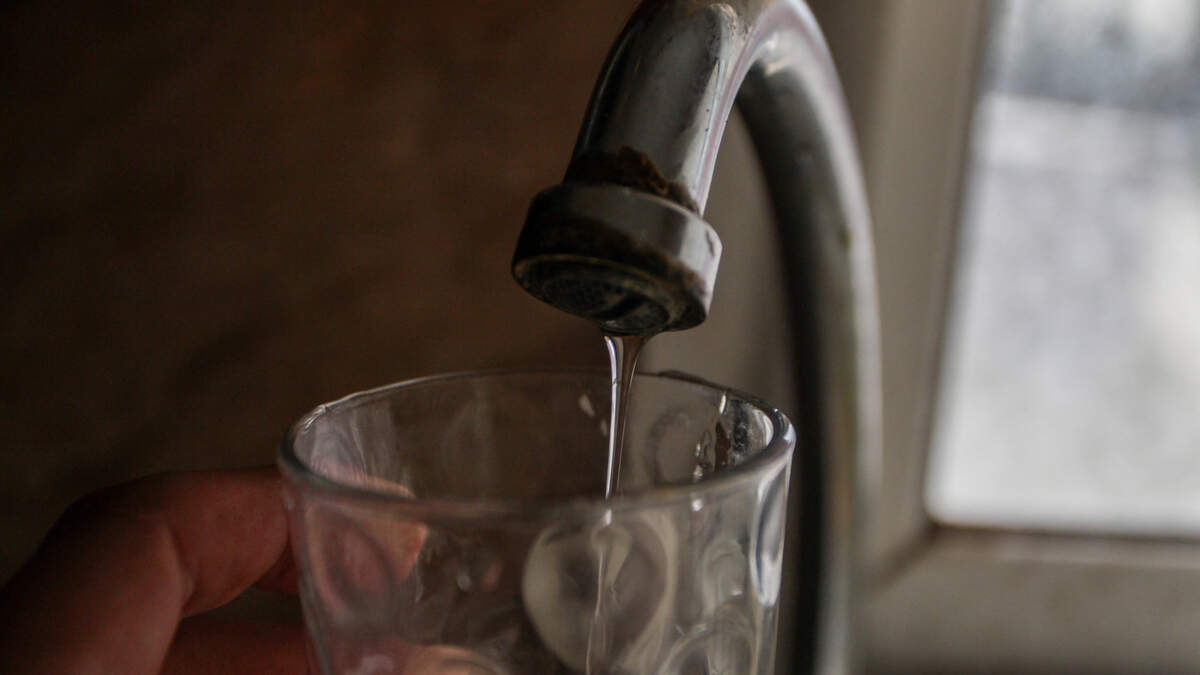
Contaminated water that looks perfectly clean can still carry the bacteria, viruses and parasites that turn a long-awaited vacation into days spent near a bathroom. That gap between how water looks and what it actually holds is why so many travelers get caught off guard.
The trouble is that the contamination of water is invisible. In many parts of the world, water treatment and sanitation systems can’t remove everything, so tap water may carry pathogens, chemicals and other water contaminants with no change in taste, color or smell.
University Hospitals advises travelers to assume that all water in developing countries is unsafe, and points out that even a luxury hotel may draw from the same water and sewage system as the poorest neighborhood nearby.
What makes water abroad especially risky is that locals have often built up some tolerance to the microbes around them. Visitors haven’t. The same glass a resident drinks without a second thought can leave a traveler sick for days.
And drinking is only part of the danger. According to the CDC, you can get sick from contaminated water used for cooking, washing food, preparing drinks, making ice or brushing your teeth. Even wading or swimming can be enough.
The exposures people forget are the small ones, like a rinsed toothbrush, a few cubes of ice or a splash of tap water on a salad.
And while not everyone will get sick from contaminated water, some travelers are more vulnerable than others. Infants, young children, pregnant women, older adults and anyone who is immunocompromised face higher risks and should be especially cautious.
The illness most travelers dread has a name. Traveler’s diarrhea affects up to 70 percent of international travelers, the CDC says, and bacteria cause the large majority of cases. It tends to arrive suddenly, during a trip or just after returning home.
It’s often characterized by cramps, nausea and frequent loose stools that usually last three to five days.
There are ways to make questionable water safer. Boiling is the most reliable, and the CDC recommends a full minute at a rolling boil to kill viruses, bacteria and parasites. Chemical disinfection with bleach or iodine works when boiling isn’t an option, though iodine isn’t safe for everyone, including pregnant travelers and people with thyroid problems.
Keep in mind that filters can catch parasites but most won’t stop viruses, and UV light fails in cloudy water because tiny particles shield the germs from the light.
None of these methods are foolproof, which is why avoiding contaminated water in the first place matters more than treating it. For most travelers, a factory-sealed bottle is the safest choice, with one catch. In some destinations, used bottles are refilled and resealed with glue or wax then sold as new.
“I inspect each cap carefully,” says Shanina Knighton, who teaches at Case Western Reserve University’s nursing school. “If the seal looks suspicious, I do not drink it.”
Travel safety tips to avoid contaminated water on your next trip
A few simple habits go a long way. Stick to factory-sealed bottled water and break the seal yourself. Skip the ice unless you’re confident it was made with safe water, because the alcohol in a drink won’t kill anything frozen into the cubes. Brush your teeth with bottled or treated water and keep your mouth closed in the shower.
Be just as careful with food. Avoid raw salads and unpeeled fruit, choose dishes served steaming hot and peel any fruit yourself. Tea and coffee made with freshly boiled water are generally fine.
If you do get sick while traveling abroad, focus on rehydrating with sealed or purified fluids and reach for oral rehydration salts if you’re losing a lot of fluid. See a doctor if you run a fever above 101 degrees, notice blood in your stool or your symptoms stretch past five days.
Not everyone will get sick, but knowing how to prevent it can help reduce your chances and ensure you enjoy your trip abroad.
This article was created by content specialists using various tools, including AI.
This story was originally published June 16, 2026 at 11:44 AM with the headline "Contaminated water is the travel risk most travelers forget. Here's what it means for your next trip."