
DOT: More than 1,600 trucks could be required for one NC fracking site
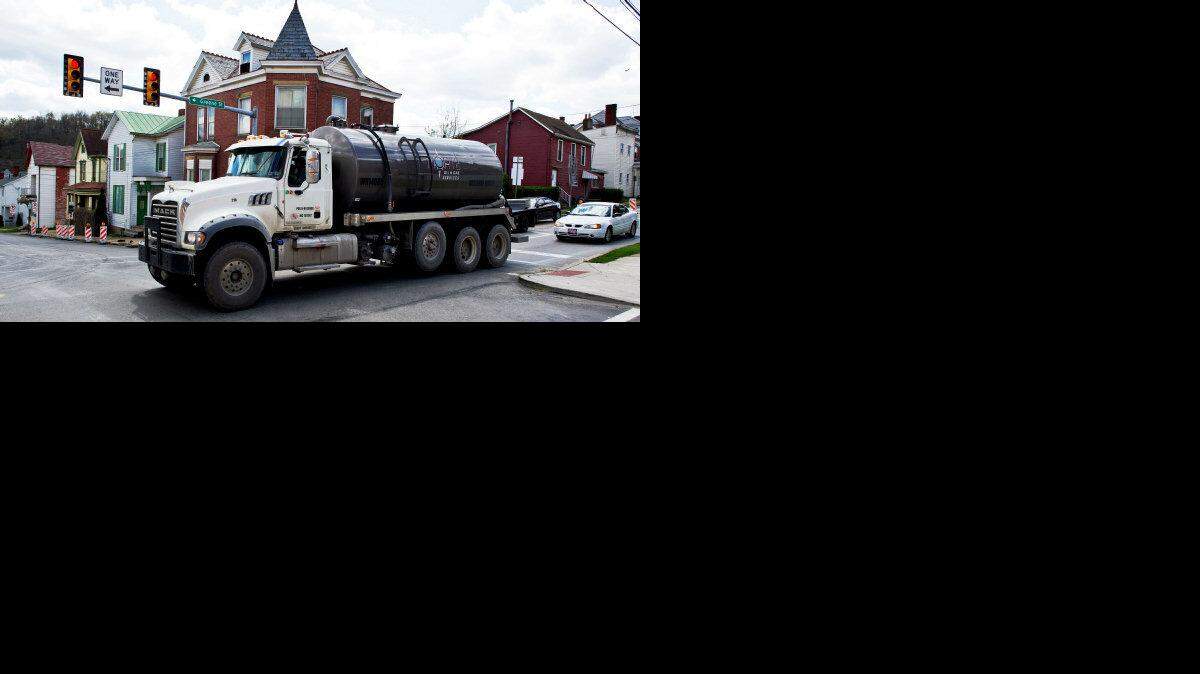
More than 1,600 trucks could haul sand, water and equipment for a single fracking operation in North Carolina, chewing up country roads and causing millions of dollars in damage to roads and bridges, according to the state Department of Transportation.
The department is projecting nearly $11 million in maintenance and repairs in one example cited to the state legislature in an agency study of traffic impacts resulting from shale gas drilling.
The DOT study, dated Dec. 31, requests changes in state law to make it easier to require private industry to repair public roads damaged during fracking operations.
“The volume of traffic can and does cause significant damage to secondary roads over a relatively short period of time,” the report says. “The majority of this traffic occurs over a period of six weeks.”
Fracking remains under moratorium in North Carolina, but the first drilling permits could be issued as early as April.
Each drill site will require 1,290 to 1,650 trucks, DOT estimates, based on the experience with fracking in Bradford County, Pa.
The Pennsylvania Department of Transportation enacted a program posting roads with lower-than-usual weight and size limits so as to force the energy industry to agree to pay bonds and maintain local roads. The strict terms applied only to fracking operations and exempted other trucking companies.
North Carolina DOT engineers said in the report that Plank Road, which crosses the Deep River in Lee County, and Bridge #169 over the river would require $1.3 million just for upgrades to handle heavy hauling operations.
The total bond amount would be $10.8 million, but DOT said it would accept $6.6 million. The energy company could pay a surety bond to a bonding company to cover the expense at a fraction of the full bond amount.
This story was originally published January 8, 2015 at 4:55 PM.