Why Duke University gave a group of students $100,000 to use on investments
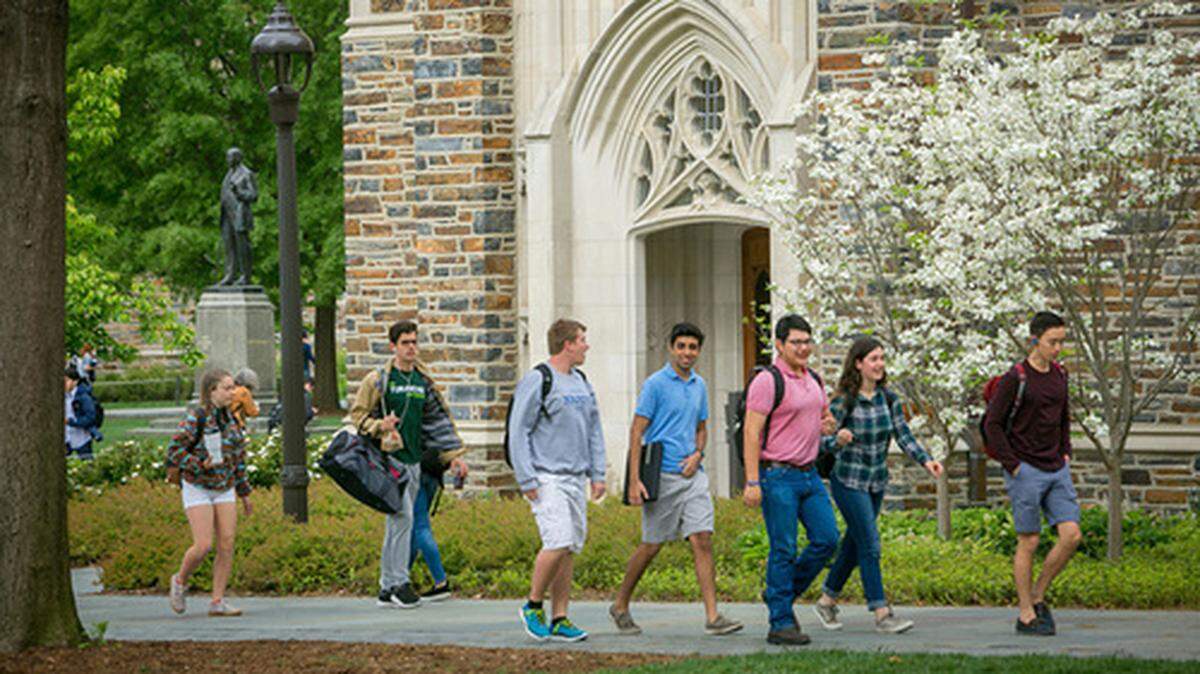
It’s not every day that a student-run group receives a six-figure sum to do what it wants with, but that’s exactly what is happening on the campus of Duke University.
Duke recently gave the student-led Duke Impact Investment Group (DIIG) $100,000. The organization, which is made up of around 60 students, plans to use the money to invest in high-growth companies that are attempting to make positive impacts either environmentally or socially.
It’s a investment segment that has grown in popularity over the past decade as investors grapple with the environmental and societal impacts that companies have in the course of doing business.
For many investors, the goal is no longer to simply put money into the company that has the highest return on investment, it’s about being more selective, choosing a company that can grow sustainably.
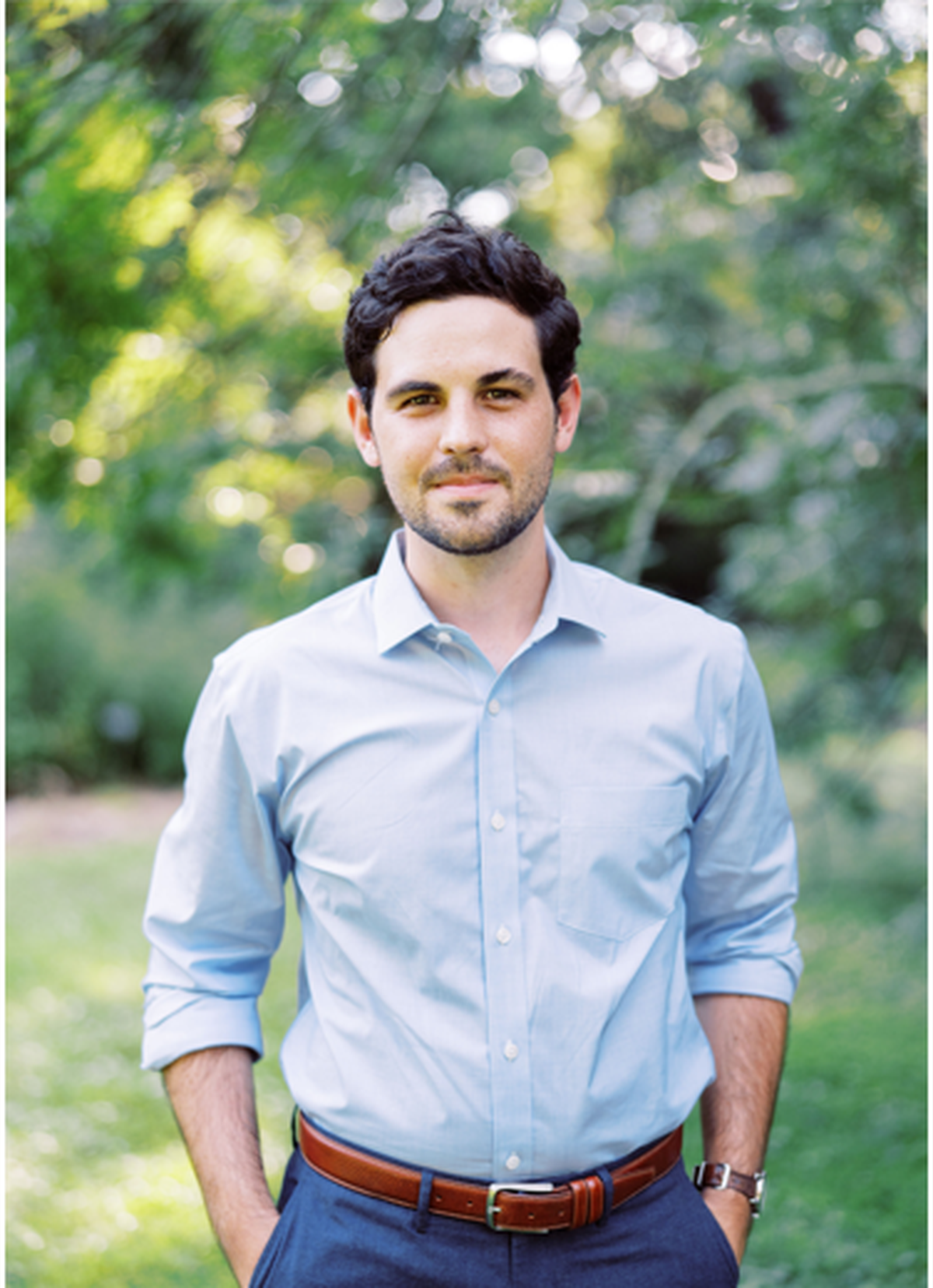
“We are standing in the middle of the largest intergenerational transfer of wealth at the moment,” said Michael Tan, a senior at Duke and founding partner of DIIG. “My parents’ generation are passing down to mine and our preferences are completely different. Our generation cares about social impact way more.”
.jpg "DIIG partners (1).jpg")
The group was started a couple years back, forming out a class called “Impact Investing 101.” The group helps students gain experience in impact investing by requiring them to conduct due diligence and to research companies claiming to have positive social impacts. The students also offer pro bono consulting work to local companies.
For example, the group issued a report on a local company called The Produce Box that delivers fresh vegetables to customers every week from North Carolina farms. The group’s report showed how The Produce Box’s services reduce carbon emissions and food waste, and the company can now use the report in its marketing.
But the new $100,000 fund anted up by Duke is the group’s prized asset. The group will manage the fund for the school, which will benefit from its returns — or cover its losses. The group has yet to make an investment, but plans to invest in a handful of companies in the next few years.
The money came at the recommendation of Duke’s Advisory Committee on Investment Responsibility, which advises the university on how to invest its $8.6 billion endowment. Student groups had been pushing for the endowment to stop investing in companies that use fossil fuels — though the committee rejected that potential approach, Duke’s student paper The Chronicle reported.
Instead, the committee gave the university several other recommendations to promote environmentally sustainable practices, including using university funds to fund DIIG, which university President Vincent Price adopted.
Impact investing has been growing steadily for the past decade, and it’s a positive that so many students are getting hands-on experience with it, said Matthew Nash, managing director for social entrepreneurship at Duke and an adviser for DIIG. Many of Duke’s students, after all, go on to work as investment bankers.
Tan said he hopes students take the sustainable investment mindset into their careers.
“A lot of the world’s problems stem from misaligned incentives,” he said, with harmful practices encouraged because they provide a profit. Social impact investing, he said, tries to correct that by providing incentives for choosing sustainability instead.
The latest estimates from the Global Impact Investing Network say that $502 billion was invested in social-impact companies in 2018.
“New-wealth individuals increasingly want both a financial and social return,” Nash said.
He noted that the Triangle already has a culture of impact investing, with organizations like SJF Ventures and the Investor’s Circle. Additionally, One Better Ventures, an investment firm based in Raleigh, considers social and environmental impacts in all of its investments.
DIIG plans to partner with existing social impact funds to deploy its capital. It hopes to write $20,000 checks to companies and is now doing due diligence on potential investments.
This story was produced with financial support from a coalition of partners led by Innovate Raleigh as part of an independent journalism fellowship program. The N&O maintains full editorial control of the work. Learn more; go to bit.ly/newsinnovate