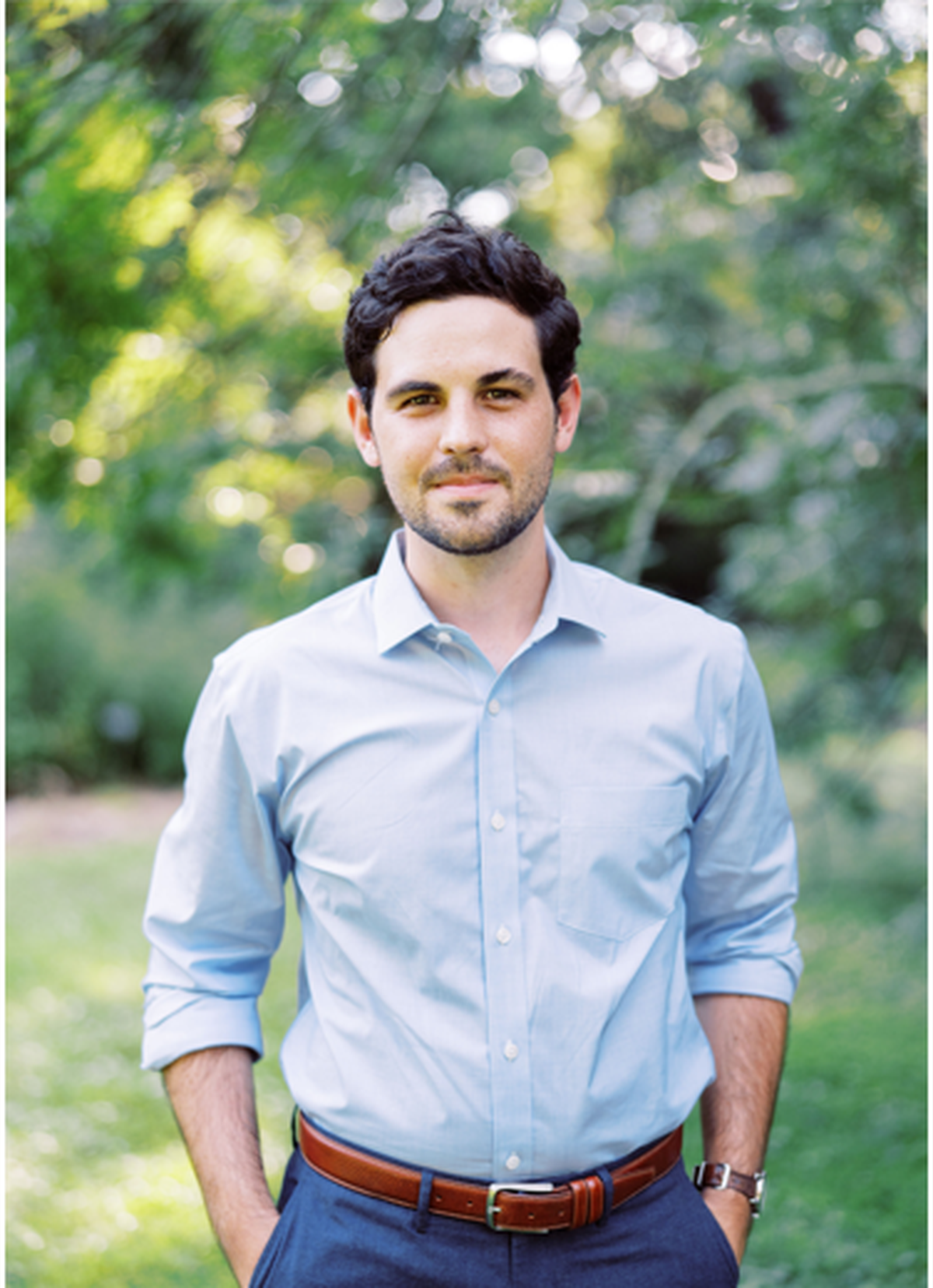
Raleigh startup PrecisionHawk raises $32 million and moves headquarters downtown
PrecisionHawk, a fast-growing drone technology startup in Raleigh, has landed another $32 million in funding from investors, as it attempts to take advantage of a growing market for drone usage, the company said on Wednesday.
The company, which uses its software to run analyses of data gathered by drone footage, has seen tremendous demand from industries like agriculture and utilities in recent years. With its new funding, it is betting it will see growth in even more industries.
PrecisionHawk has now raised more than $135 million in total, making it one of the most well-funded startups in the Triangle.
Along with the growth in funding, the startup’s client list has also expanded — it now counts companies like Duke Energy, Pacific Gas and Electric, Florida Power & Light and Syngenta as clients.
“We have seen 100% growth for the last two years,” PrecisionHawk CEO Michael Chasen said in an interview. “I think this market is really starting to take off.”
Success with agriculture and energy industries
Chasen said growth at PrecisionHawk surged when the Federal Aviation Administration set down new rules for drones in 2016, expanding the uses allowed for drones.
Suddenly, Chasen said, companies that had been hesitant to employ drones in their work began experimenting with them.
“We had a lot of companies do pilots in 2017,” Chasen recalled. “Then suddenly, in 2018, there are million-dollar implementations ... [companies] literally jumped both feet right in the deep end of the water.”
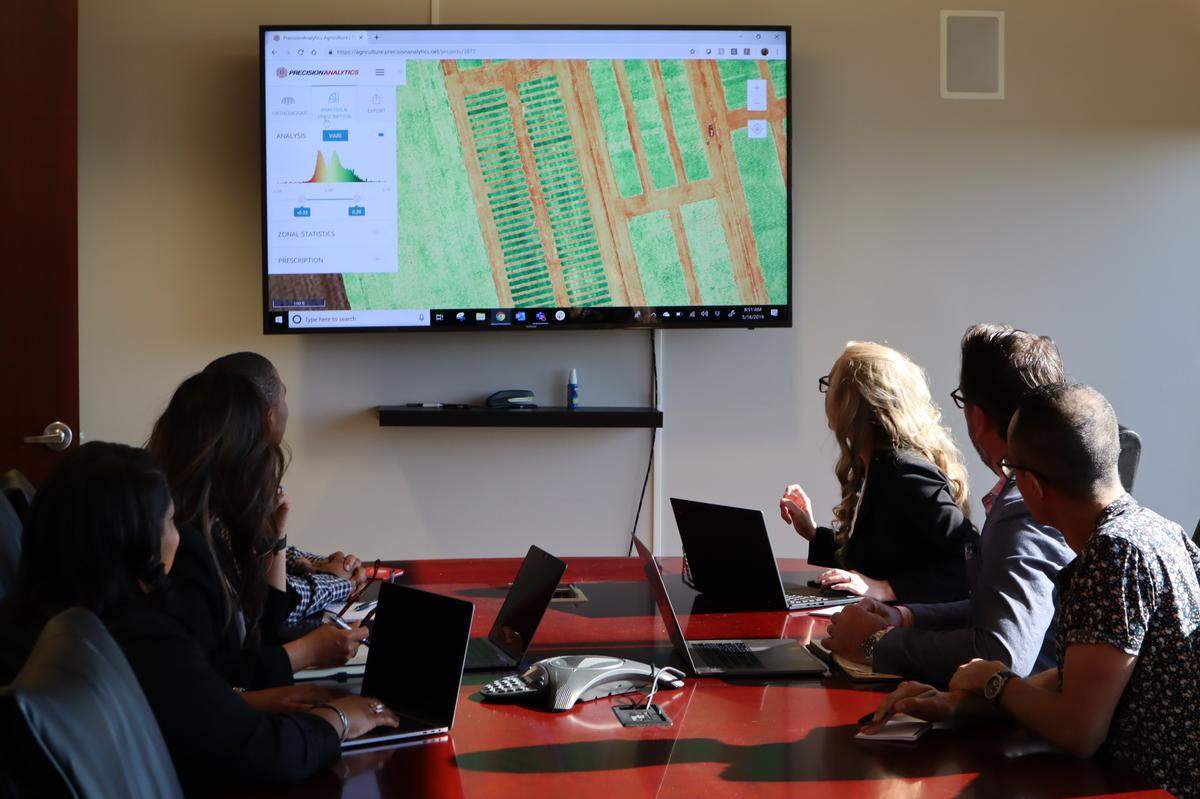
The company’s combination of a large fleet of drones and advanced software made it attractive to both customers and investors. The company continues to add to its machine learning and artificial intelligence abilities, Chasen said, and the new money will go into expanding its software products and the number of software engineers it employs.
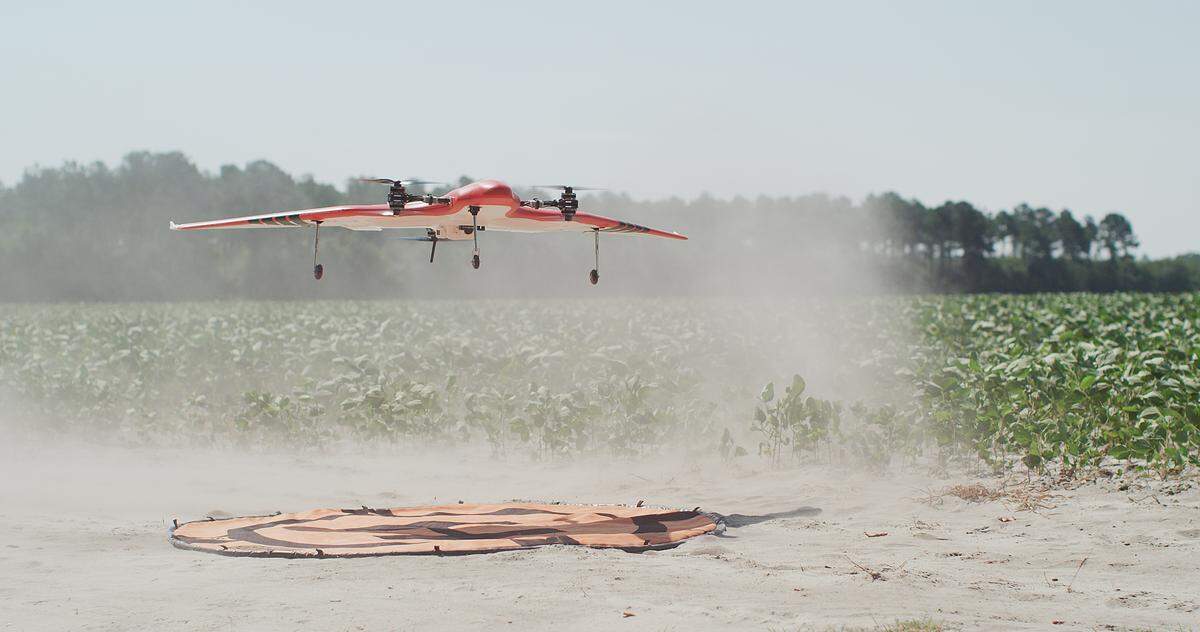
While it looks to expand to new industries, its bread and butter, energy and agriculture, stands to become hundred-million-dollar markets for the company in the next five years, Chasen said.
In agriculture, the company’s drones are used to analyze things like crop yield. And in energy, the drones can monitor the health of critical infrastructure.
Energy companies, like PG&E, use the drones to spot where a transmission line might pose a risk for fire.
“In their case vegetation encroachment is a life-and-death problem,” said Bob Young, the co-founder of Red Hat and an early investor in PrecisionHawk. “Here in North Carolina, it is just an inconvenience if a tree branch rubs up against a transmission pole, but in California it can start a fire that destroys the homes of hundreds of people. They are an example of how important this kind of data is.”
A CEO with experience growing companies
In Chasen, who joined the company in 2017, the company has a CEO who has experience in growing a small startup.
The co-founder and former CEO of the educational software company Blackboard, Chasen took that startup public and eventually sold it for more than a billion dollars. His second company, SocialRadar, was acquired by Verizon in 2016.
He took over PrecisionHawk after Young stepped down as CEO and moved into a role on the company’s board.
Young said he has been impressed by the growth under Chasen, who commutes to Raleigh from Washington, D.C., every week.
“Michael is doing very well,” Young said in an interview. “He took on the company when it had plateaued at around $6 million in revenue and in his first year he doubled it. And this year we doubled it again. Companies that are growing at 100% are relatively rare. It makes investors enthusiastic.”
The latest round of funding comes from a group of investors that includes Millennium Technology Value Partners, Third Point Ventures and Eastward Capital Partners, some of the firms that helped the company raise $75 million just last year.
While the company declined to say where this puts its overall valuation, Young said it has continued to balloon.
The company’s $135 million total haul puts it near the totals of some of the North Carolina’s newest unicorn startups, including Pendo (more than $200 million in funding) and Wilmington-based nCino (around $213 million).
Chasen said the money will give the company a runway to reach profitability.
New headquarters in Glenwood South
PrecisionHawk recently moved into a new office, swapping an office park in North Raleigh for the second floor of The Creamery building in downtown’s Glenwood South district.
The move from the sleepy suburbs to the center of what is probably Raleigh’s liveliest bar scene was made with attracting more talent in mind. It sits right above Sullivan’s Steakhouse and Milk Bar and offers the company plenty of space to grow.

“We thought moving downtown we’d be able to attract better talent,” Chasen said. “You know, there’s a lot of great restaurants and apartments and a vibrant culture.”
The company has around 140 office-based employees, a little more than 100 of them in the Raleigh office. It also has hundreds of drone operators who work in the field.
While the company didn’t say how quickly it plans to expand its workforce, Chasen said PrecisionHawk will do a lot of hiring over the next two years.
Young said the company hopes the new office gives it an advantage, noting that competition for employees is a lot fiercer now than when he was starting Red Hat in the 1990s. Back then, there would only be a few companies talking to a recent graduate from UNC-Chapel Hill or N.C. State. Now there are hosts of established companies and startups trying to catch their attention.
“It’s a tactically important decision [to move downtown],” he said. “It is not critically important, but if it gives us an advantage to hire the smart computer science kids coming out of school, then it’s worth it.”
This story was produced with financial support from a coalition of partners led by Innovate Raleigh as part of an independent journalism fellowship program. The N&O maintains full editorial control of the work. Learn more; go to bit.ly/newsinnovate