Durham-based organic energy drink maker Mati Energy shutting down operations
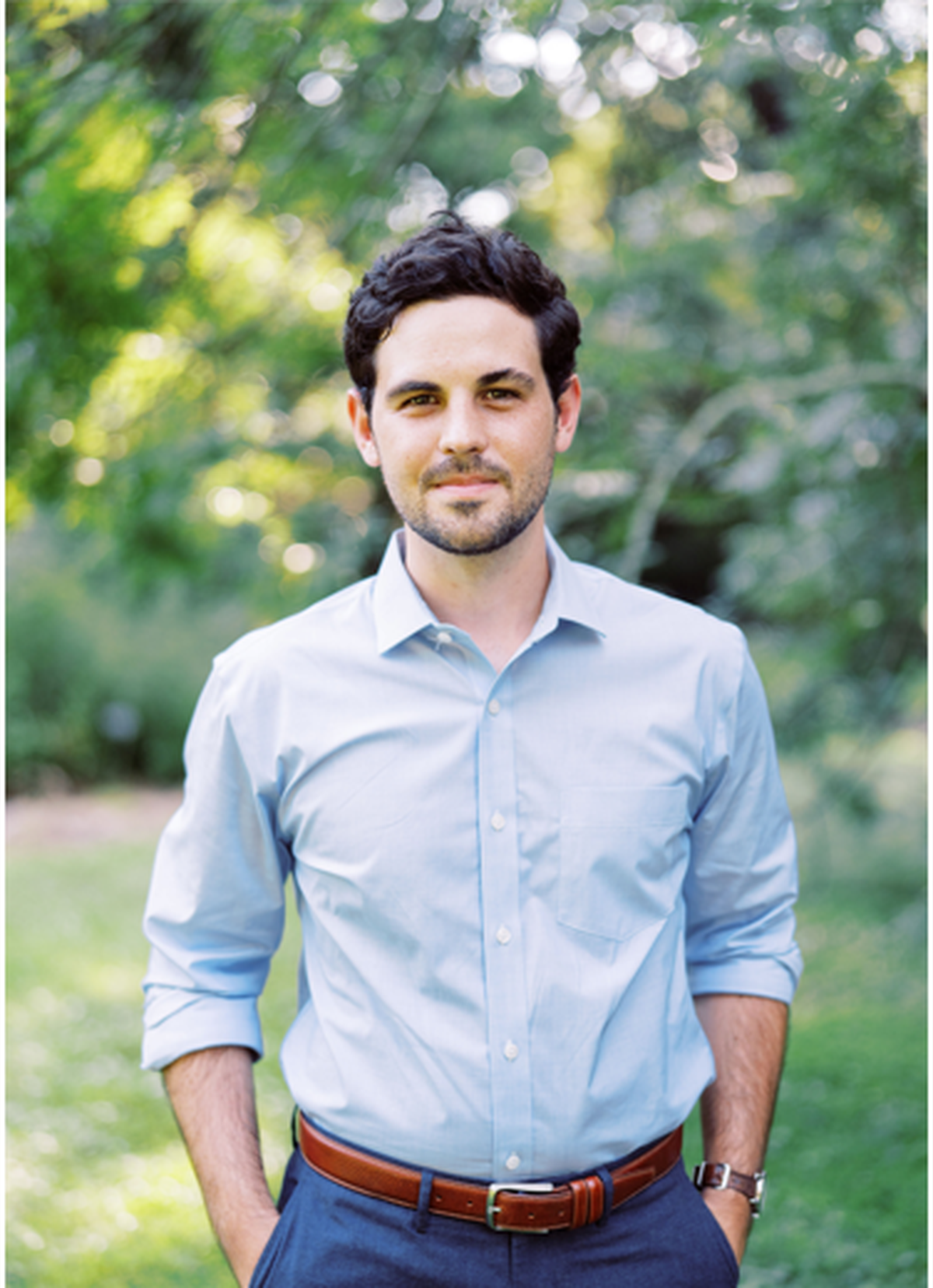
Durham-based Mati Energy, which made an organic energy drink that was sold across the Southeast, is shutting down operations, company CEO Eric Masters told The News & Observer Thursday.
The energy drink company had been evaluating its future for the past few months and came to the decision it didn’t have the means to carry on, Masters said in an interview Thursday afternoon.
“We have been evaluating our options over the past weeks and months and kind of realized this is where things are headed,” he said. “We made tremendous progress in the past year turning the company around, but it is a very crowded market with a lot of new entries and deep-pocketed competitors.”
The company has ceased making more cans of its signature drink, he said, and the remaining inventory will be sold at a discounted price until it is gone. The rest of the company’s assets will be dealt with over the next few months, and Masters will stay on with the company until that is completed.
A majority of the company’s staff has already been laid off and only a “skeleton crew” remains to wind the rest of the company down, Masters said.
Consumers can purchase the remaining stock on the company’s website.
Founded in 2012 by Tatiana Birgisson while she was a student at Duke University, Mati Energy grew quickly in its early days. It made headlines for winning Google Demo Day, a competitive pitch contest hosted by Google, and received $100,000 from AOL cofounder Steve Case in 2015. It inked partnerships with Whole Foods, Kroger and other stores, set up an online shop and opened a manufacturing facility in Clayton.
The company pitched its product as a healthier alternative to many energy drinks, which contain large amounts of sugar. It made an all-natural energy drinks out of tea, fruit juice and guayusa leaves — packing the equivalent of one and a half cups of coffee into a 12-ounce drink.
Birgisson left the company in 2018, after its board decided it needed to be run by more experienced hands. Later that year, the company hired Masters, a former Coca-Cola executive, as CEO.
The company raised more than $10 million from investors during its run. It last raised money in 2019, when it took in $3.6 million by selling equity in the company.
That money was used in an effort to accelerate the growth of the company. But “we weren’t able to grow quickly and fast enough,” Masters said.
Masters said the company rolled out its product into new Whole Foods markets but it wasn’t enough. He said there was no “silver bullet” that could have saved the company.
“It was a difficult decision and obviously not what we had hope for,” Masters said. “That is the challenge of the startup environment and, unfortunately, we gave it our best effort and we did make a lot of progress, but we couldn’t quite get it over the top.”
This story was produced with financial support from a coalition of partners led by Innovate Raleigh as part of an independent journalism fellowship program. The N&O maintains full editorial control of the work. Learn more; go to bit.ly/newsinnovate