
Downtown Raleigh small businesses face uphill battle to recover from COVID-19, vandalism
Valerie Fields spent hundreds of thousands of dollars in the past year to turn an abandoned building in the Prince Hall neighborhood into an office for her public relations firm.
She is among the dozens of small business owners who have invested in downtown in recent years, as Raleigh’s downtown core grew considerably in the past decade.
As an African-American woman, she felt strongly about putting her money into the historically black neighborhood, which has seen an influx of investment and concerns about gentrification.
But now, much of the work she put into the building will have to be redone after protests against police violence gave way to nights of destruction and looting.
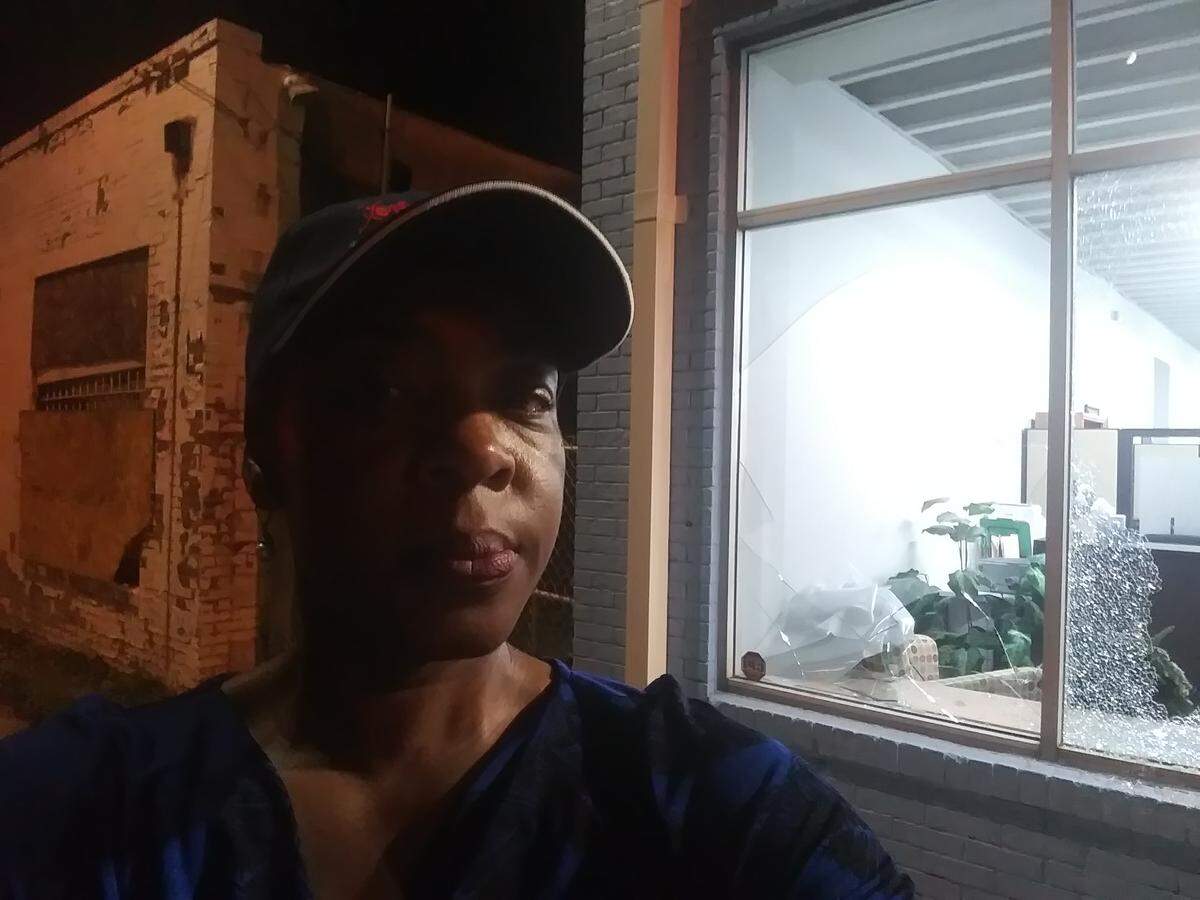
“[The building] is back to where I started with boarded-up windows,” she said after multiple bricks and rocks were thrown through her windows. “It looks like I am starting over.”
From South Blount Street, she watched as smoke rose above downtown on Saturday night. Just a few blocks away everything was in tumult. Stores and offices were set on fire, tear gas and foam bullets flew through the air, and businesses throughout downtown were robbed.
“This is a symptom of a bigger problem,” she added, saying she was fully supportive of the protests. “Until we’re honest about the inherent fears and underlying layers of bigotry that devalue lives, we will continue to put out fires and sweep up glass from misdirected anger and resentment.”
The past few months have brought waves of blows to businesses here, with no end in sight yet. Even before protests ended in restaurants, offices and stores being destroyed, the COVID-19 pandemic had brought sales essentially to a halt for two months, making even strong small businesses vulnerable.
Before this year, Downtown Raleigh had been ascendant, continuing to gain new store fronts and businesses and break records for food and beverage sales. Since 2011, the number of retailers downtown has grown by 49%, according to the Downtown Raleigh Alliance.
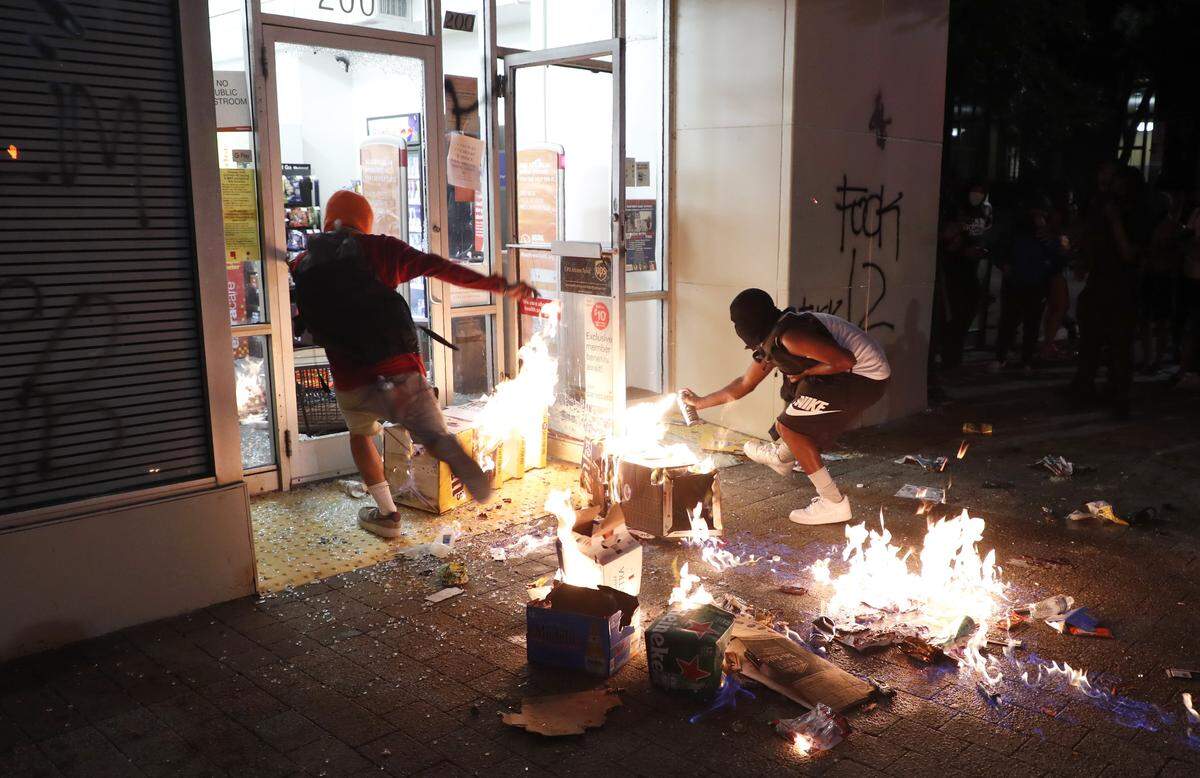
Now many businesses are rebuilding when they could have been reopening after months of stay-at-home orders.
“I don’t think it is an overreaction” to say that small businesses are on the brink of closing for good, said Pam Blondin, the owner of DECO Raleigh, a gift store on Salisbury Street. “I am really afraid of that. My gut tells me [downtown] will still be recovering two years from now.”
Bill King, president and CEO of the Downtown Raleigh Alliance, said nearly every building between Moore and Nash squares was damaged on Saturday and Sunday night. He said his organization has yet to put a monetary value on the damage, but it was widespread with some buildings suffering fire damage and others having hundreds of thousands of dollars of inventory stolen.
While nearly everyone has filed insurance claims to cover the damage from the protests, he added, it isn’t clear yet how much will be recouped. We’re “still getting a handle on that,” he said.
Still, he said, most downtown business owners were supportive of the protests, and the community has rallied around them, with hundreds of people volunteering to clean up the destruction and thousands of dollars being donated to GoFundMe pages supporting damaged businesses.
“The events at the weekend felt like [being hit] by a ton of bricks,” said Blondin, who is also a board member for the Downtown Raleigh Alliance. “The hardest part is that we are 1,000% behind the message [of the protests] and the whole world is grappling with that.”
“I have seen people say that it is only property and that lives are more important, and I agree,” she added. “But I know for a lot of businesses that got hit, I wouldn’t be surprised if they chose to not reopen.”
Blondin said she uses every bit of the money the store brings in just to pay the bills, and she is worried about how she will be able to restock the store once the current merchandise runs out. Without a loan from the Paycheck Protection Program, she added, she’s not sure if DECO would still be open.
Kyle Denis, the owner of Apex Outfitter, said Wednesday was the first day he was even able to think about how to reopen his store after it was ransacked over the weekend.
For much of Saturday night, he and a group of protesters stood outside the outdoor clothing and gear store on Hargett Street, and prevented many people from damaging the property beyond broken windows.
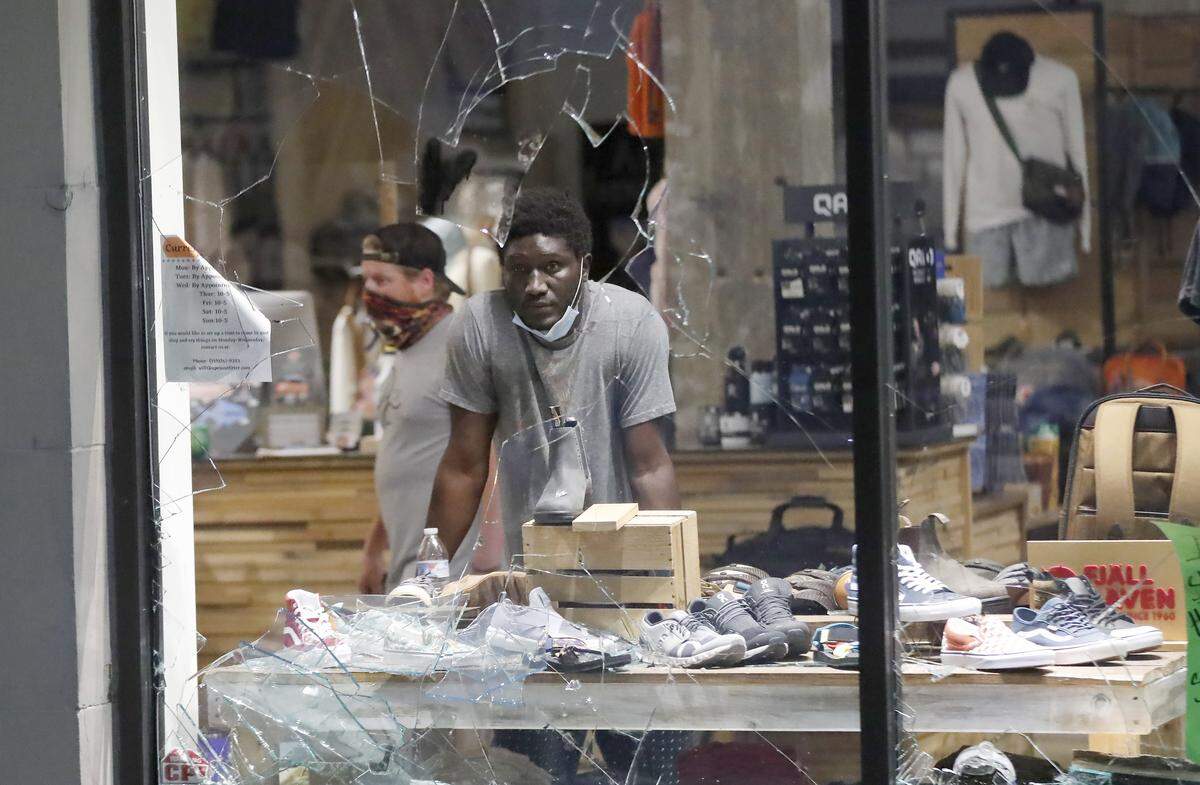
But after police began to use tear gas heavily around the State Capitol, he said, it funneled hundreds of people toward his location. With tensions heightened by the use of tear gas, Denis said, it became too dangerous to continue guarding his store. Around 1 a.m., according to his camera system, his store had nearly everything stolen — more than $100,000 worth of inventory. Denis said he has filed an insurance claim but has yet to hear a response.
“We were already worried before this happened,” Denis said, adding that without an Economic Injury Disaster Loan that his company recently received, Apex Outfitter’s prospects were bleak.
Denis said he’s concerned that even if he puts all the time, money and effort into reopening, there won’t be enough business to support the store due to the coronavirus.
“When we reopened recently it has been really pitiful,” he said. “No one is downtown working. The industries that really supported us, like workers from Red Hat and Pendo and Citrix, a lot of them have been told that they can work from home for the rest of the year.”
“That is scary to hear as a brick-and-mortar retailer,” he said, because “our rents are the same and our cost of business are the same. It is going to make it hard to stay afloat.”
He said the combination of coronavirus and destruction has businesses feeling like “we are standing on a cracked glass window and hoping it doesn’t break.”
Businesses will need support from both the city and the residents, “If people want vibrant downtowns and places to go that aren’t just restaurants,” Denis said.
Blondin and King said the Downtown Raleigh Alliance is still figuring out what aid it, or the city, could provide at this point. On Tuesday, the city reduced permit fees for repairs from $122 to $0.
But in the meantime, businesses remained boarded up, and downtown Raleigh looks like Wilmington before the arrival of a hurricane. Don’t expect that to change soon unless real changes are made in response to the protests, Fields said.
“I am disappointed that elected officials and legislators have been tone deaf to those who are crying ... because those voices have been ignored and it has contributed to the unrest we have now,” she said. “We need to change policy and procedures at the highest levels on down.”
This story was produced with financial support from a coalition of partners led by Innovate Raleigh as part of an independent journalism fellowship program. The N&O maintains full editorial control of the work. Learn more; go to bit.ly/newsinnovate