Durham biotech company working on a therapy for blindness raises $8.2M
Atsena Therapeutics, a new Durham-based biotechnology company, announced that it has raised $8.2 million and acquired the rights to develop a potential treatment for a common form of childhood blindness.
The company said it has secured the rights to a gene therapy aimed at preventing or reversing Leber congenital amaurosis (LCA), a genetic eye disease that is one of the leading causes of blindness in children. The disease affects about one to two babies in every 100,000 births, according to the National Organization for Rare Disorders.
The company’s therapy treats LCA1, a form of the disease caused by a mutation of the GUCY2d gene. The mutation causes severe vision impairment and blindness.
Atsena got the rights of the treatment from French pharmaceutical giant Sanofi, which had originally licensed the science from the University of Florida, the company said in a release.
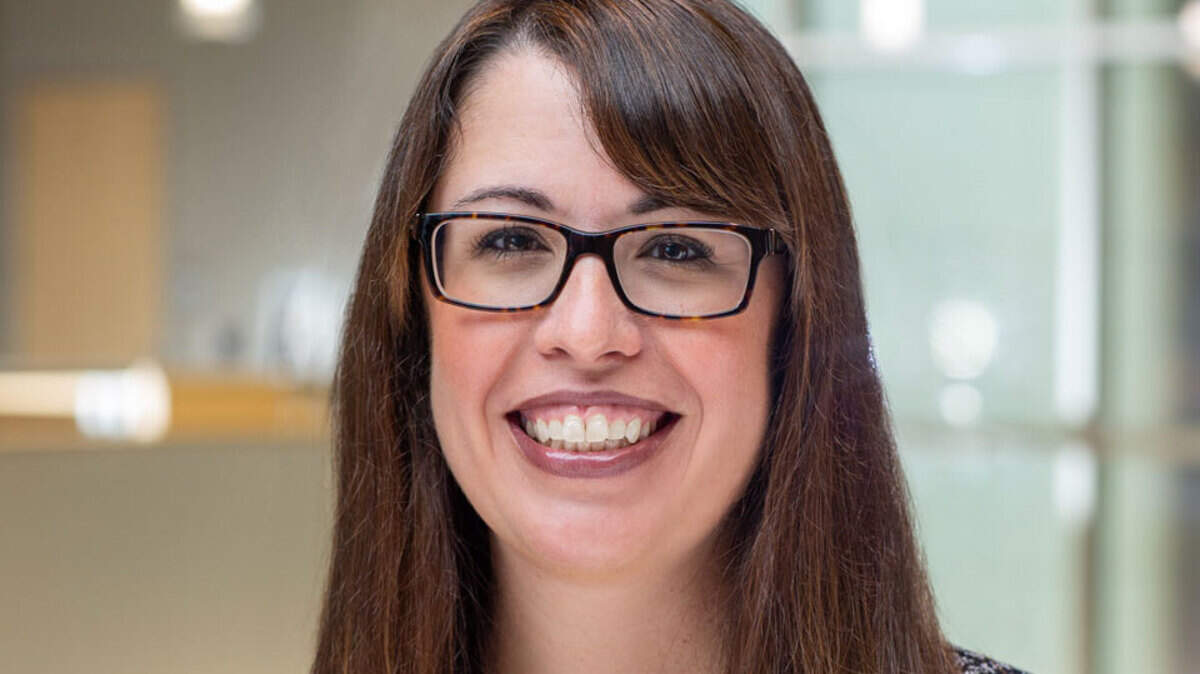
The acquisition by Atsena will mean that the creator of the therapy is back in control of it. Atsena’s founder and chief scientific officer is Shannon Boye, who created the therapy in her laboratory at the University of Florida.
“We are thrilled that our gene therapy for LCA1 is coming home to Atsena and that we will have the opportunity to further its development,” Shannon Boye said in a statement.
The therapy is currently in Phase 2 trials, with further studies expected to continue this fall, the company said.
The company’s first round of funding was led by Durham-based Hatteras Venture Partners and the Foundation for Fighting Blindness.
Hatteras Venture Partners is one of the region’s most prolific investors and has put money into many of Research Triangle Park’s most promising biotech companies. It recently was part of a $118 million investment into Shattuck Labs, a biotech company based in Research Triangle Park.
The Foundation for Fighting Blindness, a Maryland-based organization that funds research into inherited eye diseases, has long been a backer of Boye’s work on LCA.
“Atsena’s gene therapy has the potential to be a major advance in treating blindness in both children and adults affected by this inherited retinal disease,” foundation CEO Benjamin Yerxa said in a statement. “The foundation was instrumental in supporting proof of concept studies in the founders’ labs over the last 15 years. Now, via investment in Atsena through our Retinal Degeneration Fund, we are excited to support this potential breakthrough treatment for LCA1.”
Yerxa will also join the board of the startup.
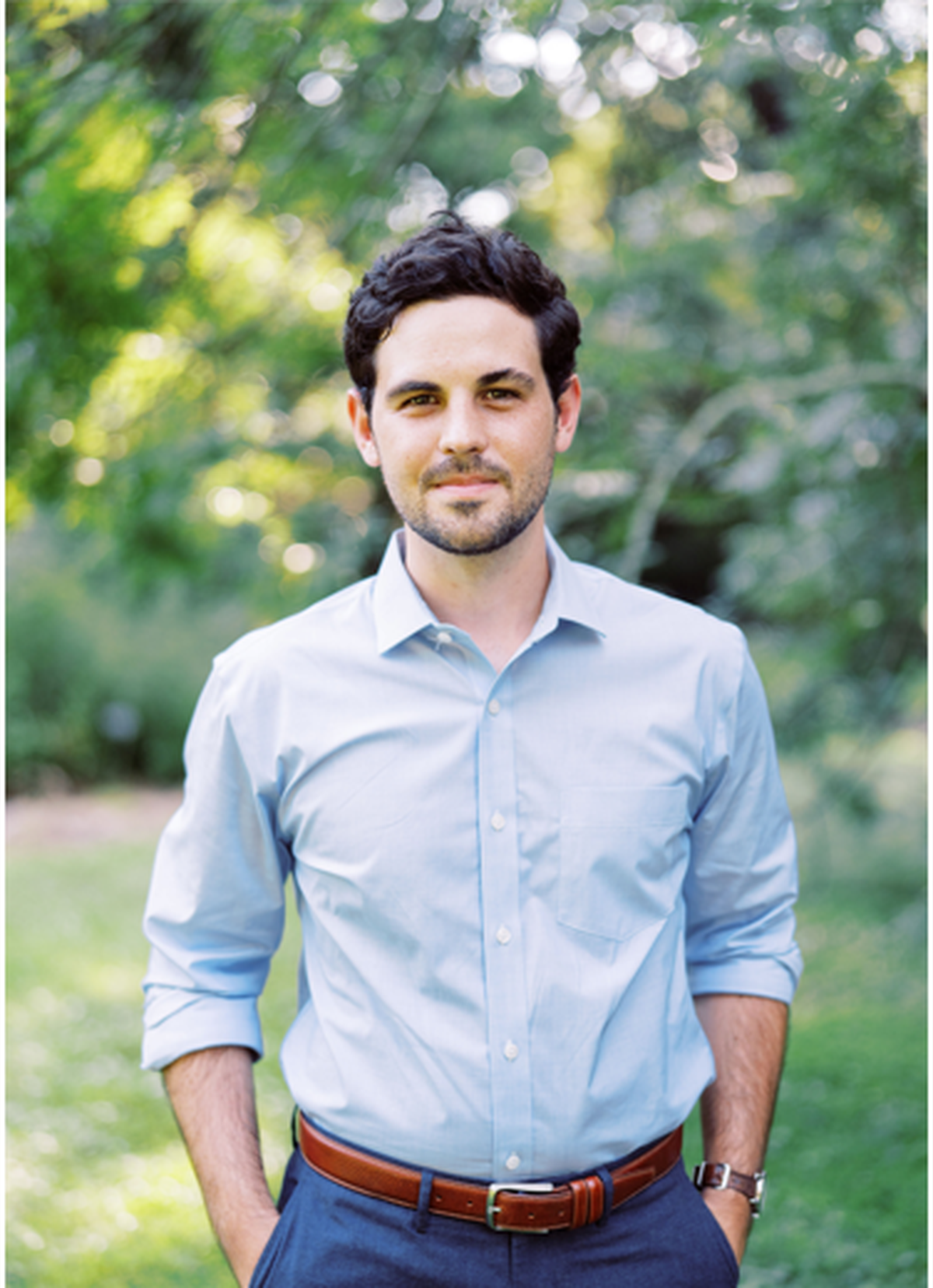
Atsena also named Patrick Ritschel, a cofounder of the Durham gene therapy company StrideBio, as its chief executive officer.
The company said it chose the Research Triangle region for its headquarters because of how many other gene therapy companies call it home.
For the past decade, the region has added a large number of companies and university experts that work on gene therapies.
Though still experimental, gene therapy is one of the most promising forms of treatment for diseases like cancer and some inherited disorders.
The treatment uses genes to treat diseases multiple ways, like replacing a mutated gene that causes a disease with a healthy one, knocking out mutated genes or adding a new gene to counteract a disease. Fewer than two dozen gene therapies have been approved by the U.S. Food and Drug Administration.
Both AveXis, a company that has a large presence in RTP, and Duke University have gotten approval for some gene therapies, according to the FDA.
But even in the early stages of its development, the Triangle has attracted a significant cluster of large and small companies working in on gene therapies, including pharmaceutical giant Pfizer, which bought Bamboo Therapeutics, a Chapel Hill gene therapy startup, in a deal that was worth up to $645 million.
There are now 13 companies based in the Triangle that are working on gene therapies, according to a list compiled by the Biotech Center.
This story was produced with financial support from a coalition of partners led by Innovate Raleigh as part of an independent journalism fellowship program. The N&O maintains full editorial control of the work. Learn more; go to bit.ly/newsinnovate
This story was originally published July 29, 2020 at 7:30 AM.