Tired of robocalls? NC State, Bandwidth team up in search of solutions
Americans don’t answer their phones like they used to, especially if they don’t know the phone number.
One recent study found that more than three-fourths of calls go unanswered if the number is unfamiliar to them, in part because of the rise of robocalls.
It’s a problematic development, as not all robocalls are necessarily scams. While some are from bad actors or annoying telemarketers, automated phone calls are also used for important things, like COVID-19 contact tracing. Several states, like Georgia and Massachusetts, even have launched campaigns to tell residents to answer unknown calls because they might be contact tracers.
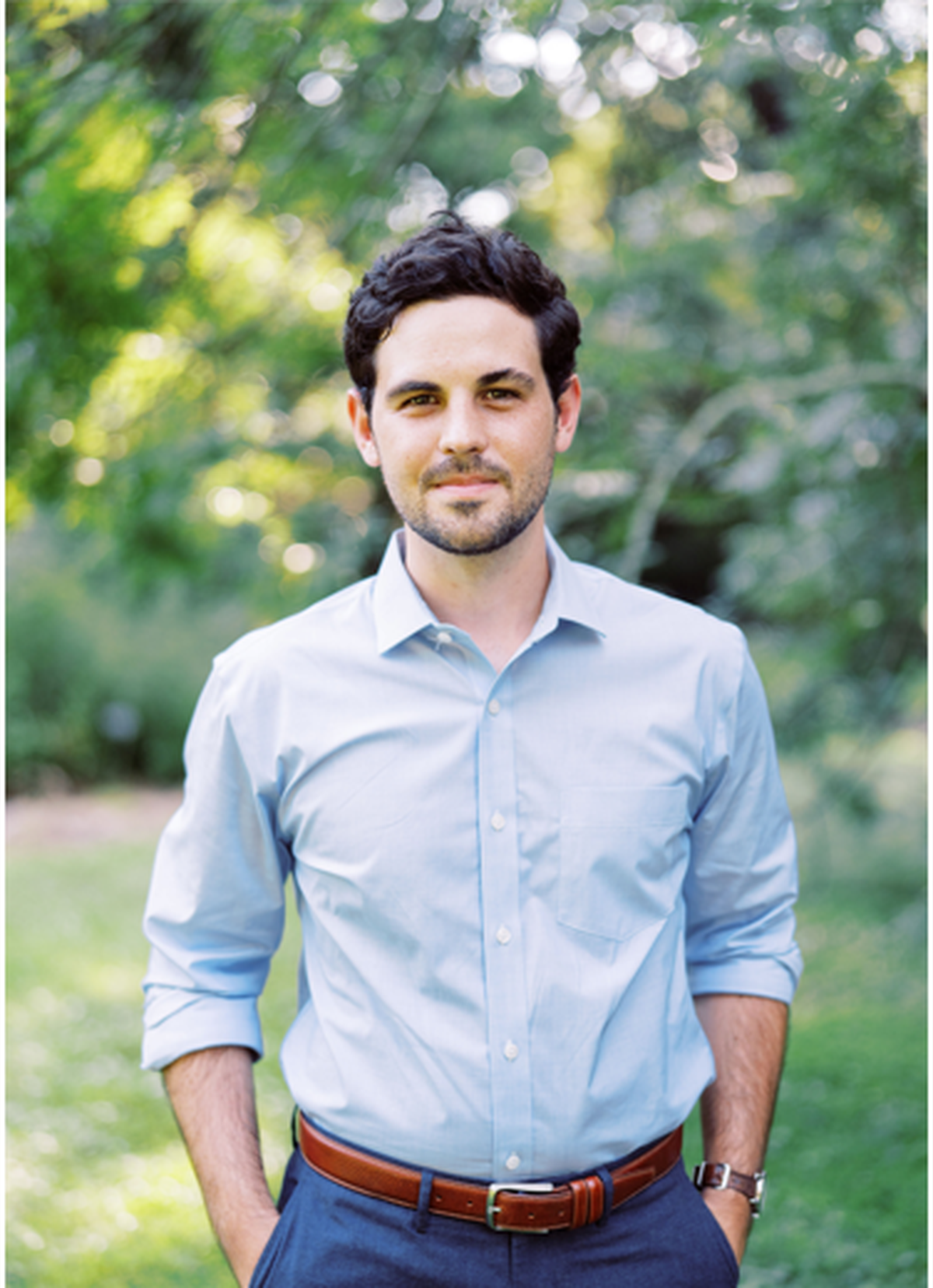
“If you have a phone network where no one answers, it is not as useful as it could be,” said Brad Reaves, a professor at N.C. State University that studies robocalls.
Reaves is on the hunt for solutions to the problem of robocalls. He recently co-authored a paper, with the help of Raleigh technology company Bandwidth, to study more than 66,000 phone numbers for nearly an entire year to learn from the patterns they make. Bandwidth, a fast-growing company on N.C. State’s Centennial Campus, provides phone numbers for voice-technology platforms like Zoom, Google and Microsoft Teams.
During the 11-month study period, Reaves and his team analyzed nearly 1.5 million unsolicited phone calls. It is one of the first studies to have that large of a sample size, Reaves said.
The study found that the number of robocalls appears to be flattening, and that on average a phone number received one every eight days.
“The problem is not getting any better, but it is not getting any worse either,” Reaves said of the study’s initial findings. “Over the 11 months that we monitored these phone lines, the trend in these calls was flat. But this is a problem that is not going away on its own.”
Dispelling a myth about robocalls
The research came away with several findings, including one that appears to disprove a popular myth about robocalls. For a long time, Reaves noted, organizations, including AARP and the federal government, have told people they could reduce spam calls by not answering them.
The N.C. State study, however, found that there was no meaningful increase in robocalls calls placed to numbers that had answered a robocall in the past.
More importantly, Reaves said, he believes the study has shown a technique for efficiently tracking bad actors, who use robocalls for things like insurance and social security scams.
Robocalls have been hard to stop because of how difficult it is to track them and how easy they are to manufacture. Calls are often transferred through a maze of networks, making it hard to validate and trace which ones are legit. Computers can now spoof caller IDs and dial thousands of random numbers to increase their spread.
To combat this, the Federal Communications Commission recently mandated that phone number providers validate all of their phone numbers using a technology called STIR/SHAKEN before transferring them across networks. But that effort isn’t required to be implemented until next year, and could be delayed for smaller firms.
“When we all have this protocol set up, we can exchange calls and tell Verizon this call is coming from a legitimate number,” said Tom Soroka, director of fraud mitigation at Bandwidth.
It isn’t a fool-proof answer, as it only works for phone numbers transferred across newer IP networks. It won’t work if the phone number crosses an older TDM network, which are still in use.
By using audio analysis, though, it could become much easier to narrow down which phone calls to trace. Tracing calls to their source can be labor intensive, so it is only selectively used.
Tracking scams
Of the nearly 1.5 million calls the N.C. State study received, it only answered around 146,000 of them.
That number was still too large to trace, Reaves admitted. However, only 62% of those calls contained audio, allowing the group to narrow its focus to ones with audio campaigns.
Some of these campaigns were making thousands of calls using the same audio, allowing the researchers to tag those phone numbers to the same campaign. This made it much easier to decide which numbers were worth manually tracing.
Using the audio analysis, the researchers identified 2,687 specific campaigns made within the 146,000 calls it answered, including two social security scams.
“You start to be able to go after the biggest offenders, and then you can do a simple trace back,” Reaves said. “This will help with enforcement.”
Both N.C. State and Bandwidth said this is just the start of their research into robocalls and how to prevent them.
“We intended this to be a long-term relationship,” Soroka said. “Until robocalls (are gone) there are a lot of things we can continue to research. Using analytics and machine learning, I think we could come close to predicting fraud.”
This story was produced with financial support from a coalition of partners led by Innovate Raleigh as part of an independent journalism fellowship program. The N&O maintains full editorial control of the work. Learn more; go to bit.ly/newsinnovate