
Tourists return to Western NC bringing needed business, but COVID-19 risk, too
At Sunny Point Cafe in West Asheville, the summer months are crucial. It’s in those months that April Harper, who opened the restaurant 18 years ago with her mother, usually brings in enough business to keep things afloat during the colder months, when visitors dwindle.
This summer, with Buncombe County reporting a steady daily increase in COVID-19 cases, the restaurant brought in just a quarter of the restaurant’s normal seasonal business. Harper worried about how long the restaurant, a neighborhood institution, could survive.
She temporarily laid off all 74 members of her staff, who joined the tens of thousands of Asheville workers who lost their jobs in the first months of the pandemic. Hotel occupancy was down by half in the early part of the summer, after dropping to 78% of last year’s rate in April, according to the Asheville Convention & Visitors Bureau. Buncombe County had the fifth highest unemployment rate in the state over the summer, after peaking at 17.7% in April.
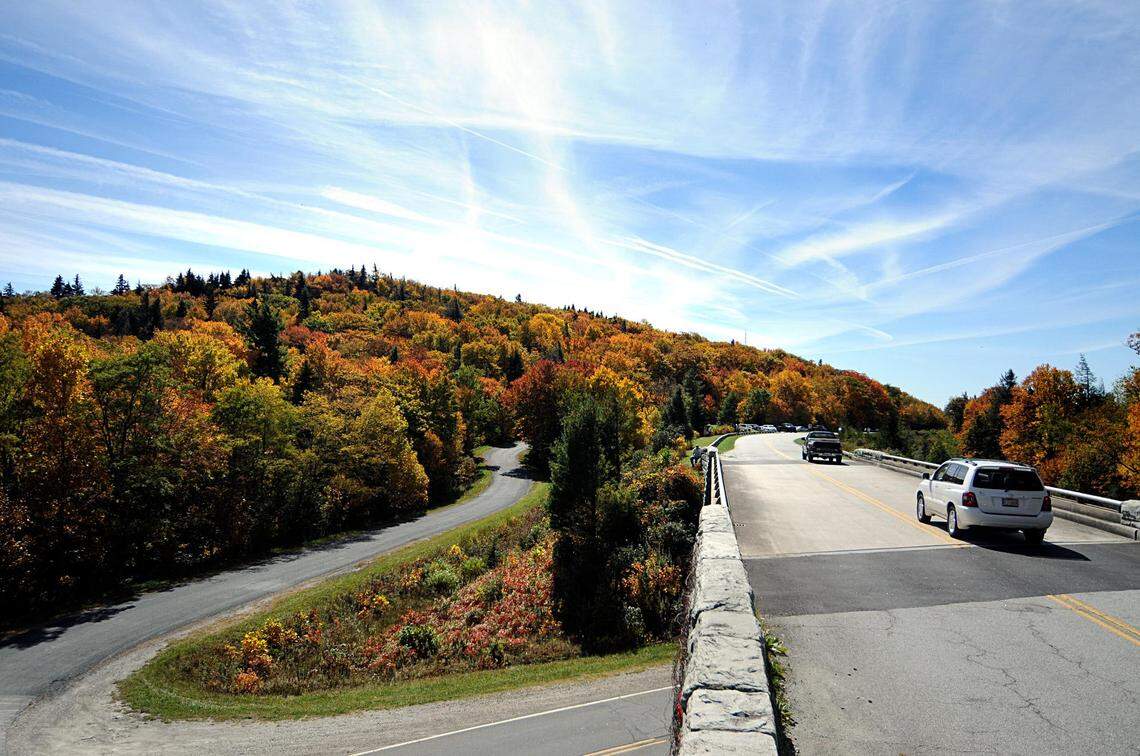
But starting in late August, Harper started seeing tourists trickle back into town. By late September and early October, visitors seeking autumnal foliage were back in what felt almost like full force. Hotel occupancy was down by just 24% in September from the previous year.
“I was surprised at the volume they came back in,” said Harper. She estimates that the restaurant is now doing about 75% to 80% of its normal business for the fall months.
The dramatic uptick in tourism provided business owners with much needed revenue, but created new problems, too. Harper says that adherence to safety protections has been inconsistent among visitors.
“Because there’s no national mask mandate or policy, people are confused. North Carolina itself has a pretty good policy, but it’s a policy that people coming from other states don’t know,” Harper said. “Some of them... let me just say it’s very difficult for the staff.”
For many business owners in western North Carolina, this fall tourist season has been defined by the tension between the need for business and commitments to safety.
“[Local businesses] really depend on the fall foliage season and summer months to create that sustainability throughout the year. The winter months we have less traffic, and I’m sure this year that will be even more the case,” said Marla Tambellini, vice president of marketing at the Asheville Convention and Visitors Bureau. “Having responsible visitors come to the community who do adhere to wearing masks and listen to this guidance that is provided is important so that we can balance the safety needs of the community along with the viability needs of our small business.”
Harper says these tensions are not new in Asheville.
“To a certain extent the problems that restaurants are facing are not new problems. I think that the pandemic has brought up a lot of issues about tipping and benefits and pay and dependency on tourism all to the forefront in this community,” said Harper, adding that she’s long supported diversification of jobs in Asheville. “I think that for safety reasons we don’t need more people to come than we can safely handle.”
COVID-19 concerns
There haven’t been any clusters related to tourism in Buncombe County, as far as Tambellini knows. The city and county have made a big effort to promote COVID-19 safety measures to visitors. Signs depicting a black bear with a mask on, reminding people to “wear, wait, wash” went up along downtown streets in October. The city started using location-based digital advertising to push the same messaging to people’s phones when they’re in more populated neighborhoods.
But according to Jane Anderson, executive director of the Asheville Independent Restaurant Association, restaurant workers still regularly confront customers trying to skirt the safety protocols.
“The challenge is that our guests, whether they’re local or from out of town, are becoming more and more demanding as the weather gets colder. That means well, ‘I want covering over me when I eat outdoors but I don’t want all the tent flaps down,’ so it’s becoming harder to please people, because they’ve narrowed down what they’re willing to actually accept,” said Anderson. Even with the COVID guidelines and messaging from the city, some restaurants still have to ask people to leave, she said.
The city hasn’t just been working to increase safety compliance among visitors who do come— it’s also stopped encouraging people to come in the first place. Early in the pandemic, the Asheville Convention & Visitors Bureau started monitoring COVID-19 case numbers in all counties within a six-hour drive of Asheville. In counties where case numbers were high, it paused advertising.
By July 14, as COVID-19 cases skyrocketed across the state, the number of counties on the exclusion list reached 75%, and the Asheville CVB pulled all advertising to potential visitors.
Tambellini hoped that by the end of the summer, the agency would be able to move ahead with a fall advertising campaign. But cases continued climbing, with the county hitting 63 new cases reported one day in early October, just one case shy of the record it hit in July.
By early November, 86% of the counties — 90% of the population within the six-hour radius — were on the exclusion list. Tambellini said that advertising is still paused, but that her office is considering reintroducing advertising to more narrow geographical areas with lower case numbers for the holiday season.
Tourists return to western NC
Even without the encouragement of advertising, tourists came back this fall anyway.
On a Wednesday at the beginning of the lunch rush in downtown Asheville in late October, Jesson Gil was doing a final sweep of the floors in the new dining room of his restaurant, Early Girl Eatery, before seating his first tables there that afternoon. The family-owned yarn shop Purl’s that had been next door to Early Girl for years had shut down after a slow summer, and Gil jumped on the opportunity to expand.
He saw a number of businesses close nearby. “Without the tourists coming to visit there’s just not enough people here for all the businesses,” Gil said. He estimates that his restaurant brings in 40% of its annual sales in just three or four months during summer and fall.
But Early Girl Eatery, a well-known destination for both tourists and locals, hasn’t had a problem bringing in customers. Revenue has been about the same as this time last year, Gil said. With constrained capacity inside the restaurant to allow for social distancing, wait times in the last couple months have regularly hit two hours. They’ve had lines down the block on weekdays, too.
“I guess people’s travel plans were different last year, when it would be like, weekend only, but now it’s a little bit more steady for us,” he said.
The rush is being felt across the region.
“It’s been a great leaf season,” said Adam Perkins, general manager of Rocky’s Grill & Soda Shop in Brevard, a town about an hour south of Asheville. “With all the outdoor recreation, people feel safe, like they can get outside. Plus outdoor recreation was one of the few things that wasn’t canceled, so plenty of people were coming to this area to visit.”
Perkins estimated that business over the summer was down by 25% to 30%. By October, business at the restaurant was back to where it was last year. At the old-timey soda shop with red and white checkered floors, plexiglass shields separate customers seated at the bright red counter stools from the cooks and servers. Perkins says he worries every day about COVID-19 safety at the restaurant.
“It’s definitely a concern. When the majority of your customers are from out of town and out of state, it’s absolutely a concern that we have,” he said. “We just have to be as safe and responsible as possible.”
This story was originally published November 12, 2020 at 7:00 AM with the headline "Tourists return to Western NC bringing needed business, but COVID-19 risk, too."