Struggling NC restaurant industry asks state leaders for stimulus and waived ABC permits
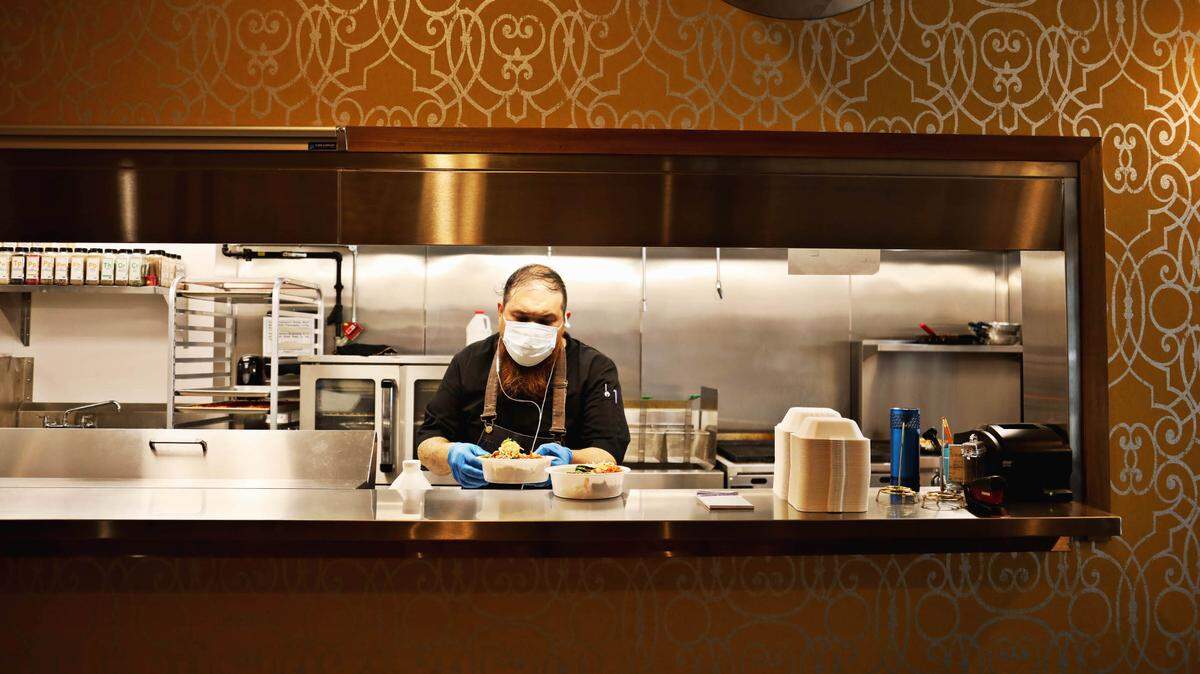
The North Carolina Restaurant and Lodging Association is calling on state lawmakers to pass new relief measures to stem the heavy financial and job losses suffered by the state’s hospitality industry.
Among the proposals are a $300 million stimulus package, permit waivers and tax exemptions for businesses — measures aimed at helping he industry recover faster from COVID-19 struggles.
“At the close of 2020, we began to look at and analyze the effects of COVID on our industry, and what we found was staggering,” NCRLA president Lynn Minges said in a phone interview. “What became clear, our industry suffered significantly in the pandemic and the relief hasn’t been coming.”
The earliest marker most North Carolinians felt from the COVID-19 pandemic was the March 2020 shutdown of many state businesses, including restaurant dining rooms and bars. As restaurants moved to largely takeout businesses, thousands of workers were laid off.
‘These are not sustainable losses’
According to data from the U.S. Bureau of Labor, North Carolina lost roughly half of its leisure and hospitality workers between March and April of last year, going from 512,000 to 266,000. It finished the year with 418,000 workers, a 20% cut from the year before, and according to the NCRLA, three-fourths of all jobs lost in the pandemic.
“These are not sustainable losses,” Minges said. “We’re going to lose hotels, we’re going to lose restaurants, we’re going to — and already have — lost bars. With that goes a lot of the character and lure of our state and the reasons people travel here.”
In a proposal to Gov. Roy Cooper and state lawmakers, the NCRLA is asking for a $300 million stimulus for hotels, restaurants and bars. In the plan outlined by the group, the funds would be capped at $500,000 per business, and businesses would have to demonstrate at least a 15% drop in business compared to the year before.
Similar to the federal Paycheck Protection Program loan, the proposed stimulus money could be spent on rent or mortgage interest, payroll, property taxes and other operating expenses, but not debt accumulated during the pandemic.
In arriving at the $300 million figure, Minges said it represented 10% of the $3.1 billion losses still unaddressed by two rounds of PPP loans and other relief packages.
Other proposals include waiving ABC permits for a least one year, reevaluating commercial properties to account for COVID losses, making PPP funds tax deductible, exempting sales taxes for personal protective equipment, flexibility for property tax payment and spending on tourism.
Minges suggested North Carolina dip into its savings reserve fund, or rainy day fund, to help pay for these measures. According to the state’s latest general fund report from December, that fund stands at a little more than $1 billion, but is $46 million less than the year before.
“Our industry needs a stimulus program now,” Minges said. “They’re out of cash and need hep now. There’s a healthy rainy day fund in the state. If it’s ever been raining, the time is now.”
Restaurant recovery will be difficult
Currently, North Carolina restaurants remain at 50% capacity and bars are capped at 30% outdoor seating. Minges said the impact of the pandemic will likely take years for businesses to dig out from under.
“I think the road back is going to be a challenging,” Minges said. “We’re looking at a long, protracted recovery. These businesses have taken on so much debt just to stay open. Even when they’re able to open back up at 100% capacity, which we have no clue when that will be, they’re not only going to have to make revenue to cover operational costs, they’ll have to make new revenue to pay back debt.”
Like the rest of the country, North Carolina is in the midst of a vaccine rollout, but only a fraction of the population has received a dose. The combination of vaccinations and capacity increases is the only way a recovery can begin, she said.
“There are so many uncertainties,” Minges said about when restaurants may begin to see a recovery. “We’re encouraged by the vaccine, but recovery is dependent on the virus, it’s dependent on when capacity restrictions are lifted and when people are comfortable gathering again in restaurants.”
This story was originally published February 10, 2021 at 10:37 AM.