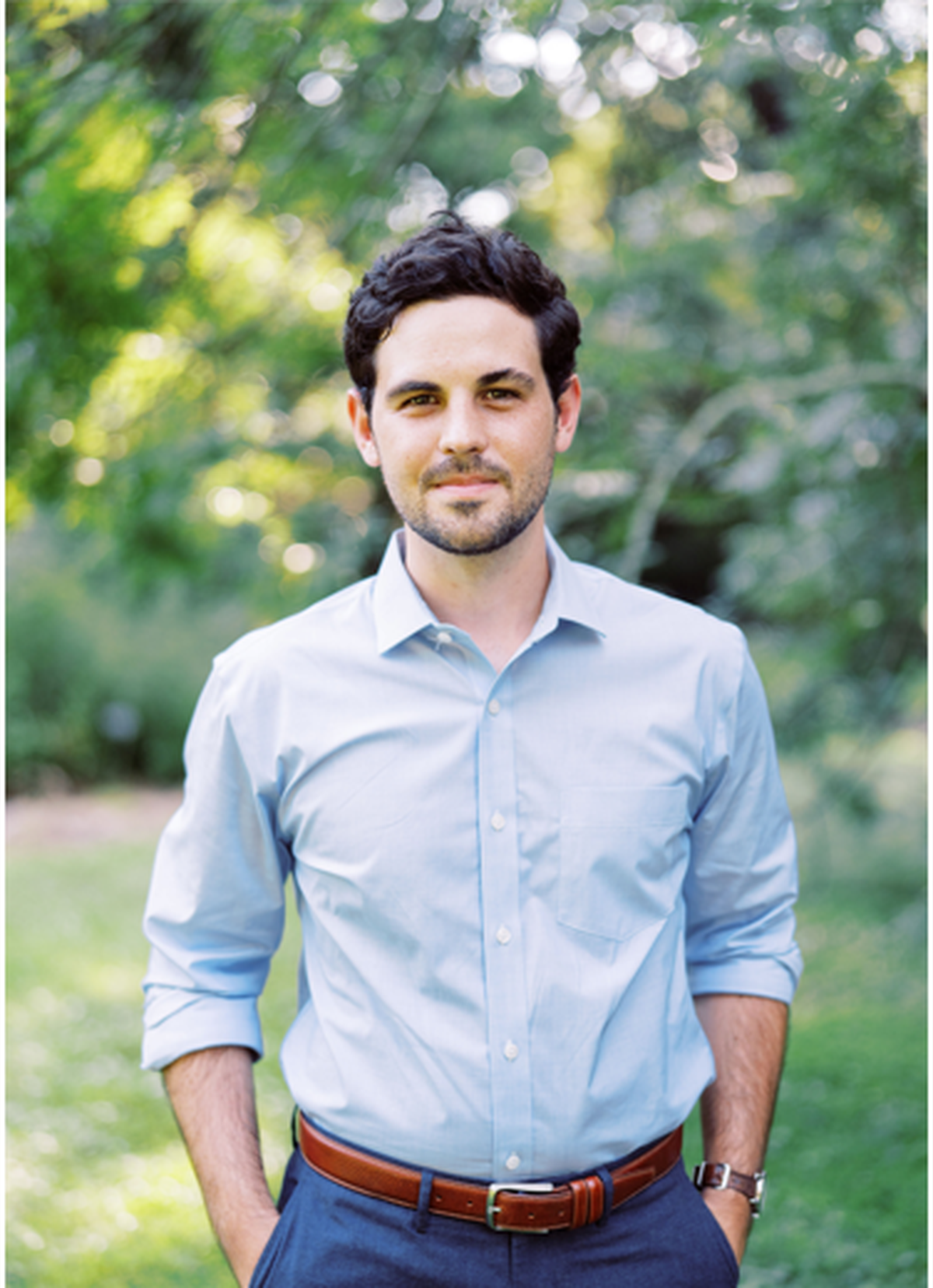
Cancer-treatment startup founded by Duke professors raises $70 million from investors
Xilis, a biotech startup founded by Duke University professors, has raised $70 million from investors to fund the development of its experimental cancer treatment technology.
The company, founded in 2019 by Drs. Xiling Shen, David Hsu, and Hans Clevers, is creating what it calls MicroOrganoSphere technology, or MOS, which takes tissue samples from cancer patients and turns them into thousands of micro replicas of a patient’s cancer tumors.
The replicas — made up of a patient’s own cells and simulating their own immune response — are tested with a variety of treatment options to determine which one might be most effective. The goal is to remove some of the trial-and-error elements of traditional cancer treatments, as it can sometimes take months to determine how a drug is working.
Xilis says it can do this testing within 10 days of taking a patient’s sample, quickly providing insight into how to proceed with cancer treatments. So far, the company is focused on providing insights into colorectal and breast cancer tumors, but Shen, the company’s CEO, said the platform could be extended to many cancers.
“We are cancer-type-agnostic,” Shen said in an interview.
Shen said there is great value in determining the right cancer treatment on the first attempt, as it increases the likelihood of recovery.
“If we pick the right treatment from the get go, there is tremendous benefit,” he said. “If a patient responds to the first drug, they have a much stronger (chance of) survival.”
Beyond finding the right cancer treatments for individual patients, Xilis also believes its technology could be used in drug discovery and development. Shen said the company plans to incorporate artificial intelligence to determine which treatments are likely to be the most effective using the data MOS produces.
Shen is a professor in Duke’s biomedical engineering department. Hsu, who is Xilis’ chief medical officer, is a Duke professor of oncology.
Clevers is the only founder not based at Duke, having pioneered the development of tumor replicas — called organoids — at the Hubrecht Institute in the Netherlands.
Shen said he and Hsu began working on the Xilis’ technology in 2015, after the two developed an interest in how to apply Clevers research. They formed the company after inviting Clevers to come speak at Duke University and he showed interest in joining them as a co-founder, Shen said.
The company’s $70 million funding round, one of the largest in the Triangle in 2021, was led by Abu Dhabi sovereign-wealth fund Mubadala Capital, GV (formerly Google ventures), the Duke Angel Network and several other funds.
Ayman AlAbdallah, of Mubadala, said Xilis is filling a critical need for finding more optimized treatments for patients.
“Patients will benefit greatly from Xilis’ precision medicine assays by avoiding time spent on treatment cycles that are ineffective, and instead, receive therapies with the greatest potential of success quickly and efficiently,” AlAbdallah said in a statement. “The Xilis Precision Oncology Platform is a cost-effective, outcomes-driven advancement that will help reduce the global burden of oncology costs.”
Xilis raised around $5 million from investors last year, according to filings with the U.S. Securities and Exchange Commission.
Xilis has an office in southern Durham near the border of Research Triangle Park. The new influx of money means they will be trading that office for a larger one on the former campus of GSK in the Park.
The company has around 30 employees, Shen said, but the goal is to expand to around 90 with the funding.
Most of those hires will be in the Triangle, he added, noting the strong pool of life sciences talent in the area.
“It’s interesting, when I first started the company, in the seed round, everyone was like, ‘Should you set up in the Bay Area?’” Shen recalled.
In the past year, the perception seems to have changed, he said.
“No one is asking that question anymore,” Shen said. “Everyone’s like: ‘Wow, North Carolina, that’s such a great environment. There’s a lot of talent.’”
Shen said he offered to conduct the company’s board meeting next month over Zoom. But now, everyone wants to fly in and check out the area.
The startup also plans to use its money to fund clinical trials for its MOS platform.
This story was produced with financial support from a coalition of partners led by Innovate Raleigh as part of an independent journalism fellowship program. The N&O maintains full editorial control of the work. Learn more; go to bit.ly/newsinnovate.
This story was originally published July 9, 2021 at 5:26 PM.