RTP’s AgBiome raises $116M from investors to increase use of natural pest control
.jpg "Founded in 2012, AgBiome has now raised more than $250 million from investors.")
AgBiome, a Research Triangle Park-based startup developing natural fungicides and microbes to control pests, said Tuesday it has raised $116 million from investors, one of the largest fundraises by a Triangle startup this year.
The money will be used to increase the reach of its first commercial product — a fungicide called Howler — and shepherd more of its products through Environmental Protection Agency approvals. It could also give AgBiome the resources to buy other agtech startups.
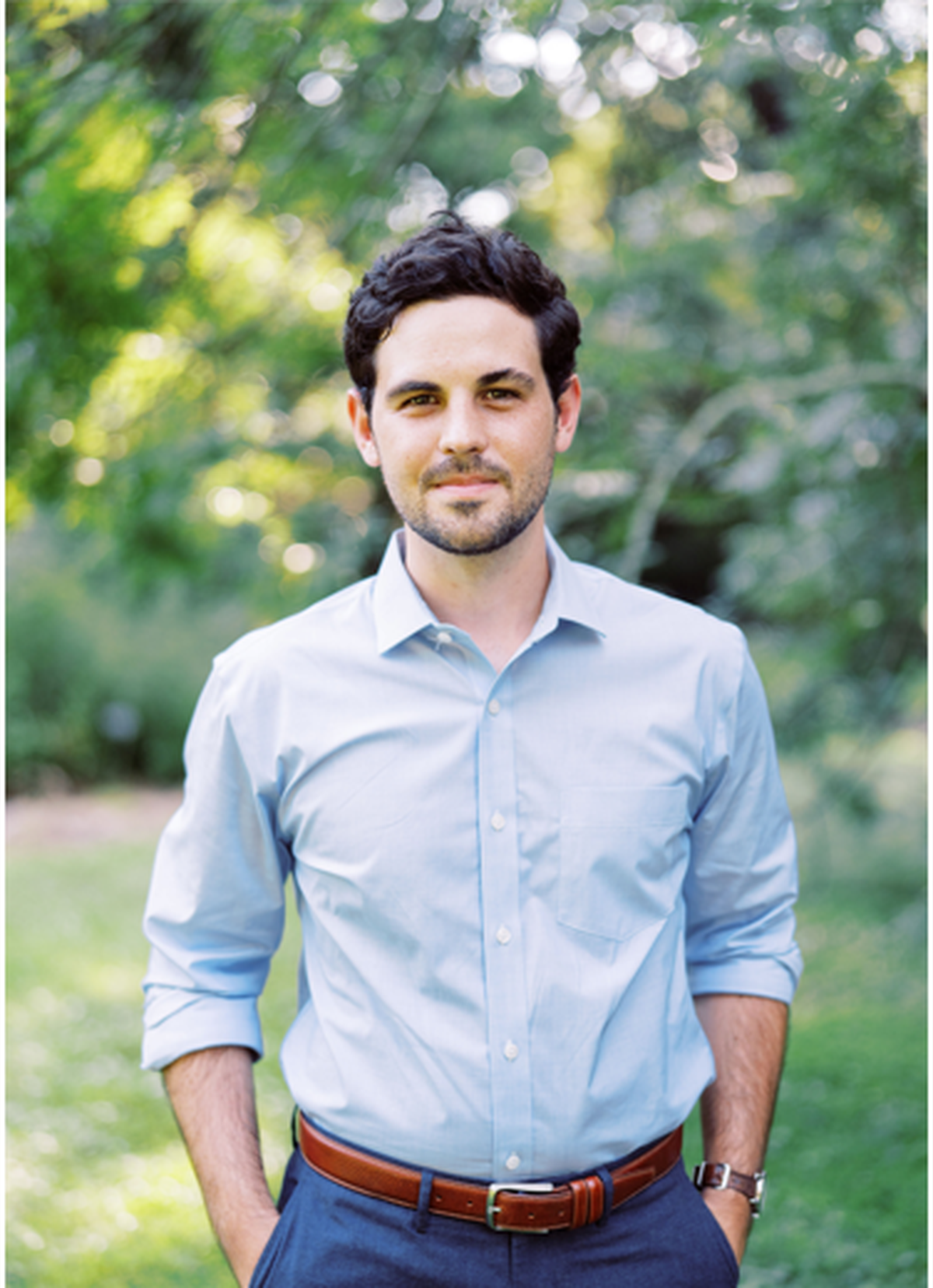
Eric Ward, AgBiome’s co-founder and co-CEO, said his company is benefiting from farmers and customers who want more environmentally friendly options to protect crops from pests. In addition, he said, many chemical pesticides are not working as well as they used to.
AgBiome uses microbes rather than chemicals to create its products, employing proteins, bacterium and fungi that can fight off pests and weeds. The result is a spray that has a “softer environmental footprint,” and less chemical residue on the produce, Ward said.
“Growers really are looking for alternatives to the kind of standard synthetic chemical pesticides they’ve been using for so long,” Ward said over Zoom in an interview with The News & Observer. “In a lot of cases, it’s because they’re not working as well. Everything eventually evolves resistance, so the chemicals just don’t have the same kind of efficacy as they did.”
The new round of capital was led by the investment firms Blue Horizon and Novalis LifeSciences.
As part of the investment, Marijn Dekkers, the head of Novalis LifeSciences, will become the chair of the AgBiome board of directors. Dekkers was previously the CEO of agriculture giant Bayer from 2010 to 2016.
AgBiome has now raised $252.5 million since it was founded in 2012, according to venture capital tracker Crunchbase. Previous investors include the Bill & Melinda Gates Foundation, as well as the venture arms of large agriculture companies, like Monsanto (now part of Bayer) and Syngenta.
In addition to Howler, which has been on the market since 2020, AgBiome is hoping to have another fungicide, called Theia, approved in the first quarter of next year. It also has several more products in its development pipeline.
.jpg "AgBiome Greenhouses (1).jpg")
Looking at AgBiome’s future
The company has around 100 employees, and it is currently trying to fill 20 open positions, Ward said. He expects the company’s headcount to grow by around 20% to 30% over the next several years.
AgBiome declined to provide revenue numbers, but Ward said the company has had “double-digit millions in revenue for the last several years.” The money is coming from sales of Howler as well as research partnerships with other agriculture companies. The company gets an upfront research contract with other firms, but if a product is developed, AgBiome can also benefit from royalty payments.
Those partnerships have made up the lion’s share of AgBiome’s revenue in the past, but, in the next couple of years, product sales should surpass revenue from partnerships, Ward said.
With more products potentially on the market in the coming months, Ward said AgBiome could be cash positive in the next couple of years.
That could propel the company to file for an initial public offering and list its shares on a major stock exchange. But, Ward added, “that’s not right on the imminent horizon for us.”
“I think it’s likely that we will go public in some way, shape or form eventually, though I would be remiss to put a timeline on it,” Ward said. “We’re interested in it from the standpoint of being able to grow the company more effectively. It’s a lower cost of capital when you’re in the public markets, and you’ve got a currency that you can use to make acquisitions.”
.jpg "Eric-Ward_200-1 (4).jpg")
More agriculture technology firms in Triangle
AgBiome is part of a growing cluster of agriculture technology firms that have put roots in the Triangle.
The region is home to some large players in the space, including BASF and Syngenta. Bayer used to have a large presence in the region, but most of the jobs moved to Missouri after it acquired Monsanto for $63 billion, The N&O previously reported. However, many of those Bayer employees stuck around in the Triangle, taking jobs at startups like AgBiome.
In February, Pairwise, a Durham startup that uses gene-editing technology to improve crops, raised $90 million from investors. Like AgBiome, Pairwise also employs around 100 people now.
Ward said agriculture startups here are benefiting from the cluster of companies that have made their homes here, and it is much easier to raise capital from the Triangle than it used to be.
A decade ago, he noted, agriculture companies were more dependent on local investors giving them money to grow. Now, they can meet investors from all over the world via video conferencing technology.
The combination of talent and money, as well as the presence of strong universities in the Triangle, have made it a fertile ground, Ward said.
“I don’t see any slowing down of ag here,” he added.
This story was produced with financial support from a coalition of partners led by Innovate Raleigh as part of an independent journalism fellowship program. The N&O maintains full editorial control of the work. Learn more; go to bit.ly/newsinnovate.