Some NC hospitals reap more in profits, provide less care for the poor, report finds
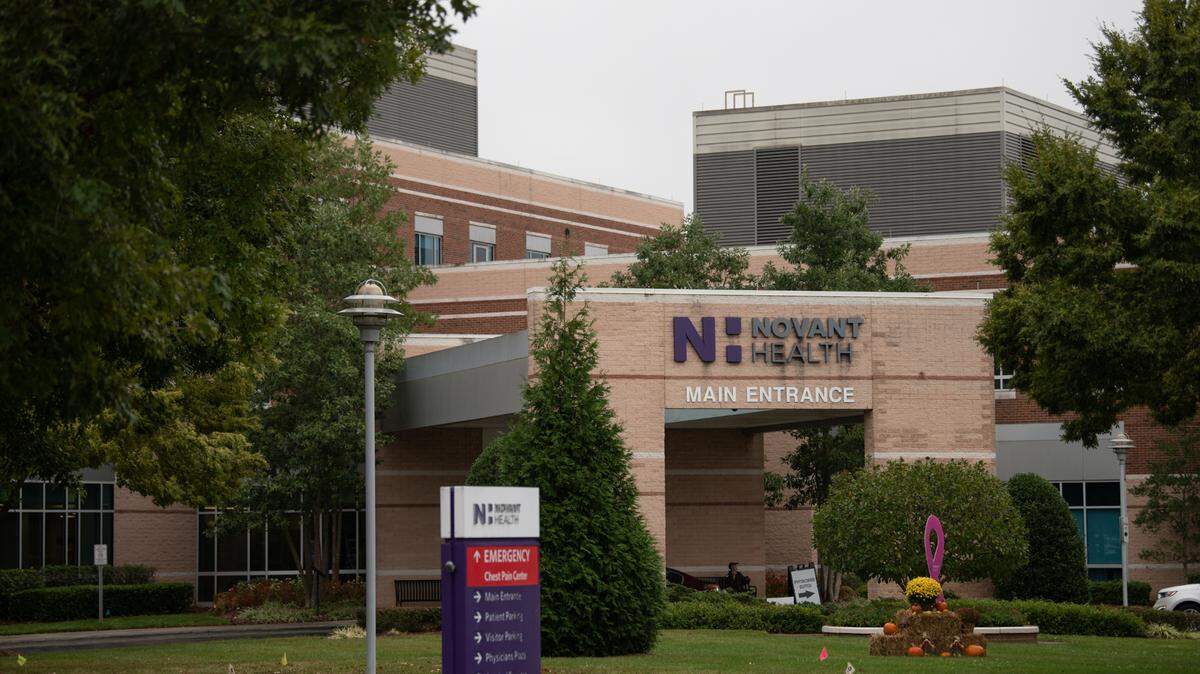
Some North Carolina hospitals are failing to provide sufficient care to the state’s poorest residents, according to a report released by the state treasurer Wednesday morning.
The report, which is the result of an analysis by the North Carolina State Health Plan and Johns Hopkins University Bloomberg School of Public Health researchers, found that as of 2019, the state’s hospitals reaped higher profits than the average hospital nationwide, but are underspending on care for low-income patients.
“It’s profits over patients,” Treasurer Dale Folwell said. “And that’s not something that any of us should be in favor of.”
The report is yet another attempt by state leaders to bring attention to the high costs of health care in North Carolina. State lawmakers introduced numerous bills this year aimed at protecting patients from high or unexpected costs. Folwell has also long fought hospitals in an attempt to lower health care prices for state workers.
“The state health plan is on an unsustainable course as far as health care costs going up at a much faster pace than the appropriations into the state health plan,” Folwell said. “What needs to happen is the cartelization of health care in North Carolina needs to stop, because the consumers are not being protected.”
Nonprofit hospitals can receive tax-exempt status if they provide charity care to low-income residents. The report found many hospitals in North Carolina provide less charity care than what they receive in tax breaks.
“If a hospital will make a lot of money, but then provide disproportionately low charity care, especially given that the hospital does have discretion, then that raises a red flag,” said Ge Bai, a Johns Hopkins professor of accounting and health policy and management.
The report found that North Carolina hospitals raked in some $1.8 billion in tax breaks between 2019 and 2020. Most hospital systems spent on charity care less than 60% of what they received in tax exemptions. Some facilities spent less than 0.5% of their total expenses in charity care.
Atrium Health and Novant Health, which both received some of the highest estimated values in tax exemptions according to the report, both spent less than 60% of what they received in those exemptions on charity care.
The report also found Duke Health spent less than that 60% mark.
“Some nonprofit hospitals might not behave in accordance with their charitable mission,” Bai said. “Why should the taxpayers continue to subsidize these nonprofit hospitals?”
A spokesperson for Duke Health said the health system’s “community benefit and investment” in the 2020 fiscal year increased by 26% from the previous year.
“A tenet of our mission is to build healthy communities, and Duke Health has long worked to ensure access to high quality health care for the people and communities of North Carolina, regardless of any individual’s ability to pay,” Sarah Avery, director of the Duke Health News Office, said in an email.
WakeMed, by contrast, spent more on charity care than what it is estimated to have received in tax breaks.
A spokesperson for the North Carolina Healthcare Association, which represents the state’s hospitals, did not immediately respond to a News & Observer request for comment Wednesday morning.
Atrium Health and UNC Health did not return emails from The Charlotte Observer and The News & Observer on Wednesday, while Novant Health referred questions to the state hospital association.
Atrium and UNC are not required to publish their tax filing 990 forms because they are considered public and not nonprofit hospitals under state law.
“This makes it difficult to measure their charity care spending against their tax exemptions,” the report says.
For more North Carolina government and politics news, listen to the Under the Dome politics podcast from The News & Observer and the NC Insider. You can find it at link.chtbl.com/underthedomenc or wherever you get your podcasts.
This story was originally published October 27, 2021 at 1:02 PM.