‘Tragedy beyond words’: 1st payments from national opioid settlement coming to NC soon
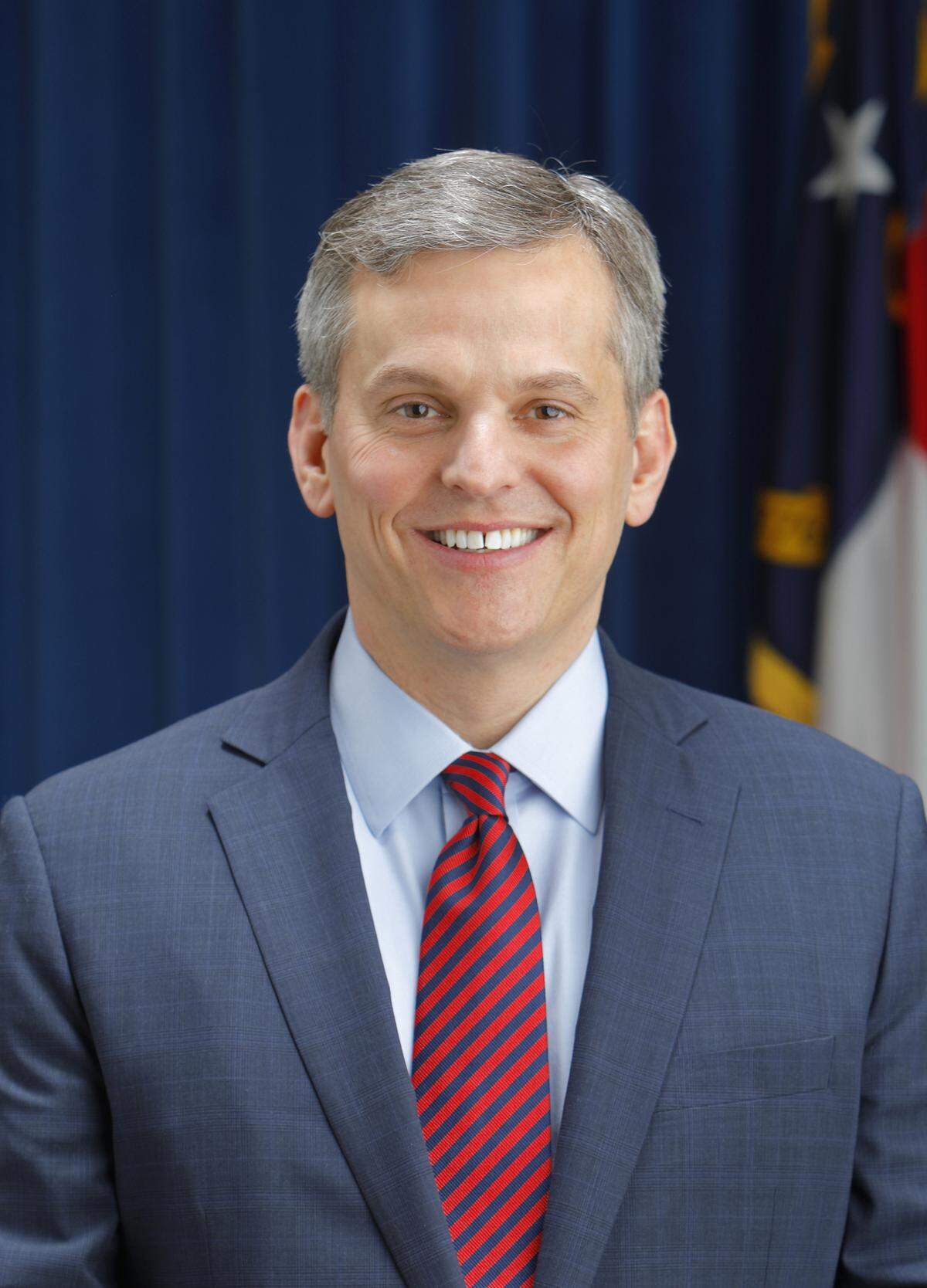
North Carolina will start seeing payments in just a few months from the $750 million it will receive in a national settlement finalized with four major pharmaceutical companies over their role in the opioid crisis, Attorney General Josh Stein said Friday.
Three distributors, Cardinal, McKesson and AmerisourceBergen, as well as manufacturer Johnson & Johnson will pay a total of $26 billion after 52 states and territories signed onto the settlement, which has been three years in the making, Stein said in a news release.
“These companies made billions of dollars while millions of Americans got hooked on opioids,” Stein said. “In North Carolina, we’ve already lost at least 20,000 people to this crisis, and countless families more have been devastated by loss and addiction. That’s why I led a bi-partisan coalition of attorneys general from across the country to hold them accountable.”
States negotiating the $26 billion settlement first announced an agreement had been reached last July. Since then, all 100 North Carolina counties and 47 municipalities have signed on, meaning the state will receive its full share of $750 million.
More than $637 million, about 85% of the total, will go to local communities in North Carolina “to support treatment, recovery, harm reduction, and other strategies to address the opioid epidemic,” the release stated. The remaining 15% will go to the state to be used for the same purpose.
In an interview with The News & Observer, Stein said “there will be people alive next year who otherwise would’ve died, because of the services that will be funded as a result of this settlement.”
The pharmaceutical companies will start releasing funds to a national administrator April 2, according to the release. State and local governments are expected to start receiving money in the second quarter of 2022.
The agreement requires companies to pay out the money over 18 years, but the payments are front-loaded, Stein said. That means that a significant percentage of the total sum will be paid to states and localities in the first five years.
In 2022 alone, the companies will pay North Carolina approximately $93 million, about 12% of the total settlement, according to a payment schedule provided by Stein’s office.
What should the funds be spent on?
The settlement comes as North Carolina is seeing potentially record opioid deaths.
A total of 3,961 people died of suspected overdoses in 2021, a 26% increase from 2020, when 3,132 suspected overdose deaths were recorded, according to data from the N.C. Office of the Chief Medical Examiner.
“It is a tragedy beyond words that last year we lost more than 100,000 family members, friends, and neighbors to preventable overdose deaths in America,” said Elizabeth Brewington, associate director of overdose response at the N.C. Council of Churches, in a statement. “Across North Carolina, we saw our highest numbers yet, with every overdose representing the loss of a beloved child of God.”
Once funds starting coming in, officials should commit to “evidence-based harm reduction services” and “ensure that people who use drugs have a seat at the table,” Brewington said.
Stein told the N&O he agrees that advocates working with drug users “often have the greatest insight on what works and what doesn’t,” and recommended that those who want to be involved contact their county commissioners and other local officials.
As part of a framework reached last year on how North Carolina’s funds will be allocated and spent, the state said it will set up an opioid settlement dashboard at ncopioidsettlement.org/data-dashboards.
That publicly available tool will require every local government to “detail exactly how they spent their share of the money, what programs did they fund, and how effective were those programs at achieving the desired end,” Stein said.
For months, Brewington and other harm-reduction advocates have been calling for the money to go toward existing needle exchange programs throughout the state, which were legalized in 2016. The programs allow for safe syringe disposal and are legally required to provide sterile syringes and injection supplies free of cost, and in enough quantity to prevent sharing or re-using needles.
The programs also provide drug users with naloxone, an overdose-reversing medication. Between 2020 and 2021, syringe service programs distributing naloxone reported more than 12,000 overdose reversals across the state, according to the health department.
Brewington said the funds should also go toward expanding access to two other medications used to treat drug addiction: methadone and buprenorphine.
Both drugs are effective, Brewington said, but they are typically not covered by insurance or are hard to find. The medications should be offered in jails and through mobile programs to ensure people who need them are receiving them, she said.
Purdue Pharma settlement still being negotiated
North Carolina could receive a further $100 million or so from a separate settlement that multiple states continue to negotiate with the Sackler family, the owners of Purdue Pharma.
The family has been negotiating a bankruptcy plan for the pharmaceutical giant, whose products include OxyContin, and last week, offered a total of $6 billion to settle all of the opioid-related lawsuits against them, the New York Times reported.
A major sticking point remains, however, with the Sackler family insisting that the settlement shield them from all current and future civil claims related to Purdue Pharma’s role in the opioid crisis.
In a court filing, a federal bankruptcy judge said a “supermajority” of the states involved in the negotiations had agreed to the latest offer, but some holdouts remain as of last week, and an agreement hasn’t yet been reached, according to the New York Times.
A previous negotiated settlement of approximately $4.7 billion was overturned in December by a federal judge who said the agreement shouldn’t proceed because it would release the Sacklers from civil liability in opioid-related claims.
BEHIND THE STORY
MOREThis is a breaking news story
In a breaking news situation, facts may be unclear and details may change as the story develops. Our reporters are working to get information as quickly and accurately as possible. This story may be updated as more information becomes available. Refresh this page for the most up-to-date report.
This story was originally published February 25, 2022 at 9:54 AM.