Open Source: Wolfspeed shuffles safety oversight after RTP campus death
I’m Brian Gordon with The News & Observer, and this is Open Source, a weekly newsletter on business, labor and technology in North Carolina.
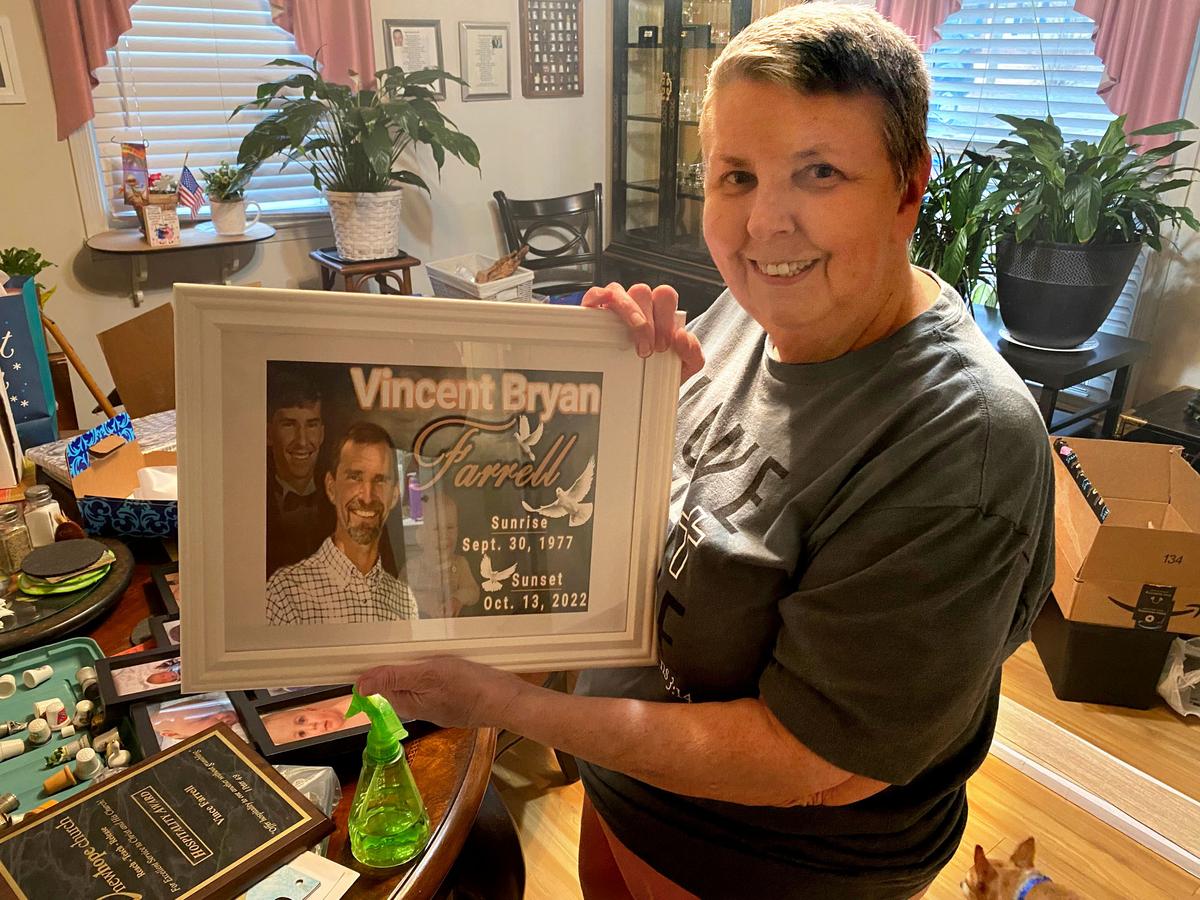
Vincent Farrell often told his mother he felt rushed at work.
Farrell was a 45-year-old electrician for the semiconductor chipmaker Wolfspeed. On Oct. 13, he was killed at the company’s headquarters in Research Triangle Park after his hand made contact with an exposed live wire.
The day after the accident, a former Wolfspeed executive reached out to The News & Observer with concerns, based on their own experiences, that the fast-growing company prioritized productivity over safety.
It’s difficult to pinpoint if broader company culture played a role in the accident. For what it’s worth, Farrell’s mother Patricia doesn’t recall her son ever blaming Wolfspeed for his workload.
Investigators did find that Farrell was not wearing gloves when he hit the wire. The State of North Carolina later charged Wolfspeed with a pair of workplace safety violations, including that the company “did not select and require employee(s) to use appropriate hand protection when employees’ hands were exposed to hazards.”
In response to the state violations, Wolfspeed wrote a letter to the North Carolina Department of Labor last month detailing multiple safety adjustments it’s made in the past eight months to “mitigate historical issues.” One of the changes concerned productivity, safety and culture.
Wolfspeed used to house its safety and health division within the company’s Global Operations unit. Acknowledging this arrangement presented “inherent conflict,” the company has since moved its safety division under the purview of its human resources and emergency response department.
This move, Wolfspeed stated, would “ensure that (the safety division) has a stronger voice at the table and supports the appropriate level of autonomy for the (safety division) function.”
In recent years, the Triangle chipmaker has evolved its core business, changing its name and pivoting from LED lights to exclusively semiconductors. As it eyes expansion in North Carolina (more on that below,) Wolfspeed now appears to have evolved its culture around safety as well.
Read more about the company’s recent safety changes here.
By the numbers: Wolfspeed lands major financing
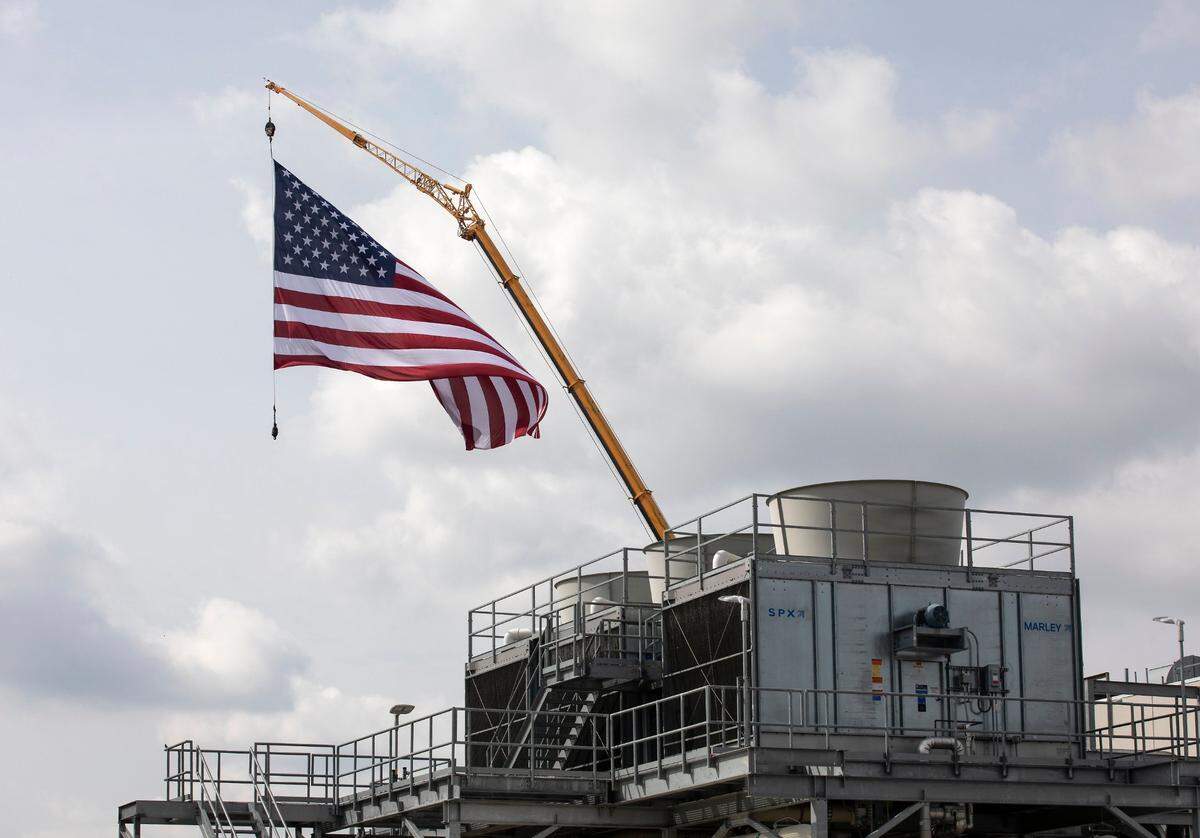
On Monday, Wolfspeed secured a $1.25 billion loan from a group led by the investment firm Apollo. The money will help fund the chipmaker’s huge future plant near Siler City in Western Chatham County. Here are five more numbers to know about this week’s deal:
9.875% – The interest rate on the loan, which matures in 2030.
$5 billion – How much Wolfspeed has pledged to invest at its Siler City site.
1,802 – Jobs the company has committed to create at the new plant between 2026 and 2030. Wolfspeed already employs roughly 2,500 people in the Triangle area.
25% – Value of the tax investment credit created under the federal CHIPS Act. Wolfspeed hopes to apply this subsidy, along with CHIPS Act grants, to help cover the cost of its Siler City construction.
2024 – The year Wolfspeed aims to complete the initial phase of its Chatham plant. Construction is already underway.
Get to know NCInnovation
North Carolina has a revenue surplus. How much of it should go to NCInnovation?
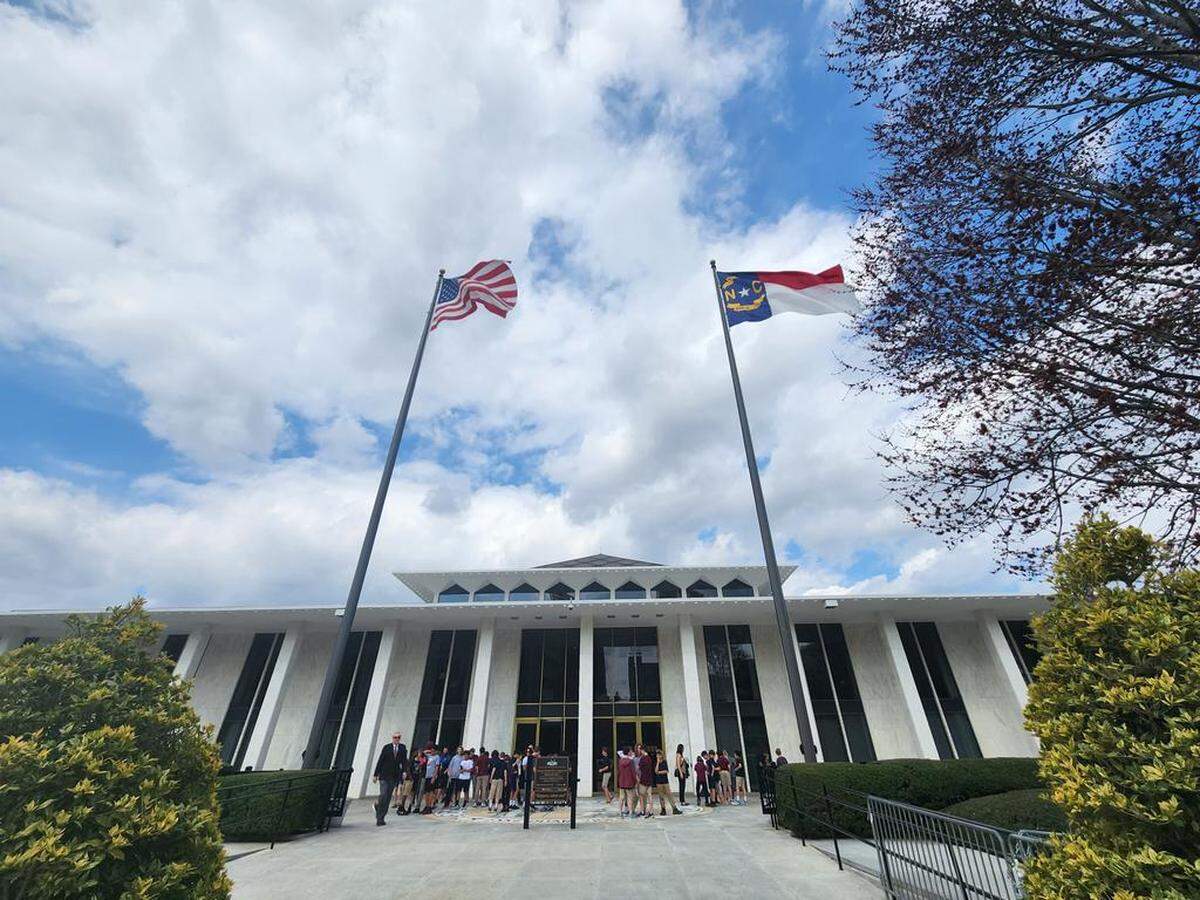
The NC Senate says this relatively new nonprofit should receive a historic $1.425 billion in this year’s budget. Gov. Roy Cooper says the sum should be much, much lower.
Who are the high-profile people propelling this group to prominence? And what do they hope to accomplish?
Read up on NCInnovation before budget negotiations resume in July.
Short Stuff: SAS partners with Texas, Credit Suisse to see major layoffs
- SAS Institute, the major Cary-based analytics firm, teams up with Texas to help the state track influenza.
- UBS will cut more than half of Credit Suisse’s workforce, starting next month. The two Swiss banks merged in March. Credit Suisse has a significant footprint in the Triangle, with around 2,300 local employees as of last year.
- A new bank is coming to the Triangle. Winston-Salem’s Piedmont Federal is acquiring Wake Forest Federal, the oldest continuously running bank in Wake Forest.
- Raleigh’s Red Hat will add more than 350 employees from Nokia’s cloud infrastructure team as part of a new partnership.
- Red Hat also drew the ire of programmers worldwide late last week when it put its RHEL source code behind a paywall. Programmers who used to be able to access this code for free are now expected to pay for it. Many blame Red Hat’s new parent company IBM for monetizing at the expense of Red Hat’s foundational democratic open-source spirit.
Like, they’re very mad:
National Tech Happenings
Psychedelic drugs are powering top Silicon Valley executives like Elon Musk and Google cofounder Sergey Brin. Ketamine, LSD, mushrooms and more.
A recent study found Google has, more often than not, violated its stated policy on how (and where) its video ads would run online, The Wall Street Journal writes.
Could Elon Musk and Meta’s Mark Zuckerberg actually fight each other? Seems silly, but I ask for a reason…
Thanks for reading and enjoy the fireworks!
This story was produced with financial support from a coalition of partners led by Innovate Raleigh as part of an independent journalism fellowship program. The N&O maintains full editorial control of the work.
This story was originally published June 29, 2023 at 5:11 PM.