WeWork is in trouble. What it means for its Raleigh and Durham locations.
.jpg "WeWork’s struggles were in headlines again this week.")
The beleaguered coworking operator WeWork made headlines Wednesday when it informed investors “substantial doubt exists about the Company’s ability to continue as a going concern.”
While the company highlighted revenue growth and improved profitability, the news further sunk WeWork’s already-cratered stock. At the end of Thursday, its share price stood at 18 cents.
WeWork pioneered the modern concept of coworking, offering members amenities now prevalent across the industry. Bright, open spaces instead of staid cubicles. Kombucha, coffee, and seltzer water in common kitchens. Booths, desks and offices under vibrant wall paintings.
But the company is now billions in debt as its past rush to acquire real estate is seen to have backfired.
What does this all mean for WeWork’s two locations in the Research Triangle? And is it an isolated case or does it portend challenges for the increasingly crowded coworking sector across Raleigh, Durham and Chapel Hill?
WeWork’s Raleigh-Durham footprint
WeWork arrived in the Triangle in October 2018, opening two floors in the center of downtown Durham. The next year, the company took over three floors in a tower near Raleigh’s Warehouse District.
The Durham location has 58,000 square feet; the Raleigh site covers 73,000. The company also has two locations in Charlotte.
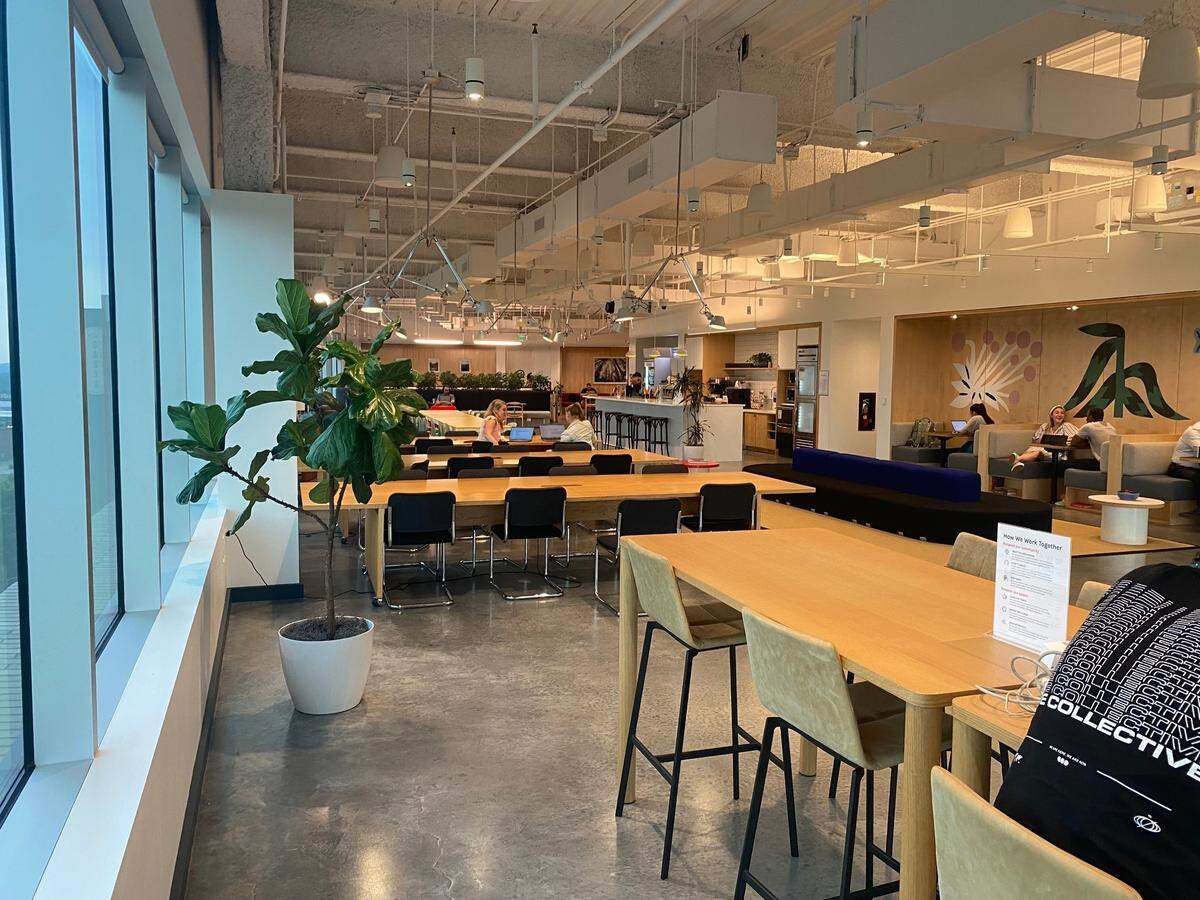
The Triangle office had seen signs of growth in recent years said Nick DeMarinis, head of sales for WeWork’s Atlantic region, during an interview in early June.
DeMarinis said all-access membership in Raleigh and Durham had risen more than 140% since the pandemic and the two sites tripled their conference room bookings over the same period.
This week, a company spokesperson declined to comment on WeWork’s latest financial disclosure.
WeWork decline: A coworking issue or a WeWork issue?
While WeWork is the most famous coworking provider, the Triangle has seen a flux of new communities enter or expand in recent years.
The first modern coworking space to arrive in the area was American Underground, which opened 13 years ago in downtown Durham. Today, AU serves startup and remote workers across its seven floors in the Bull City.
“I largely see WeWork’s decline as largely a WeWork problem, based on a damaged brand and the too big, too fast growth model,” said Tim Scales, AU executive director.
Others stressed WeWork is not typical of current coworking communities.
“Even though (WeWork is) kind of what a lot of people think of when they think of coworking, it’s really very far from most of the spaces that I’ve seen,” said Alison Rogers, cofounder of Blush, a female-focused space that opened in Cary last year.
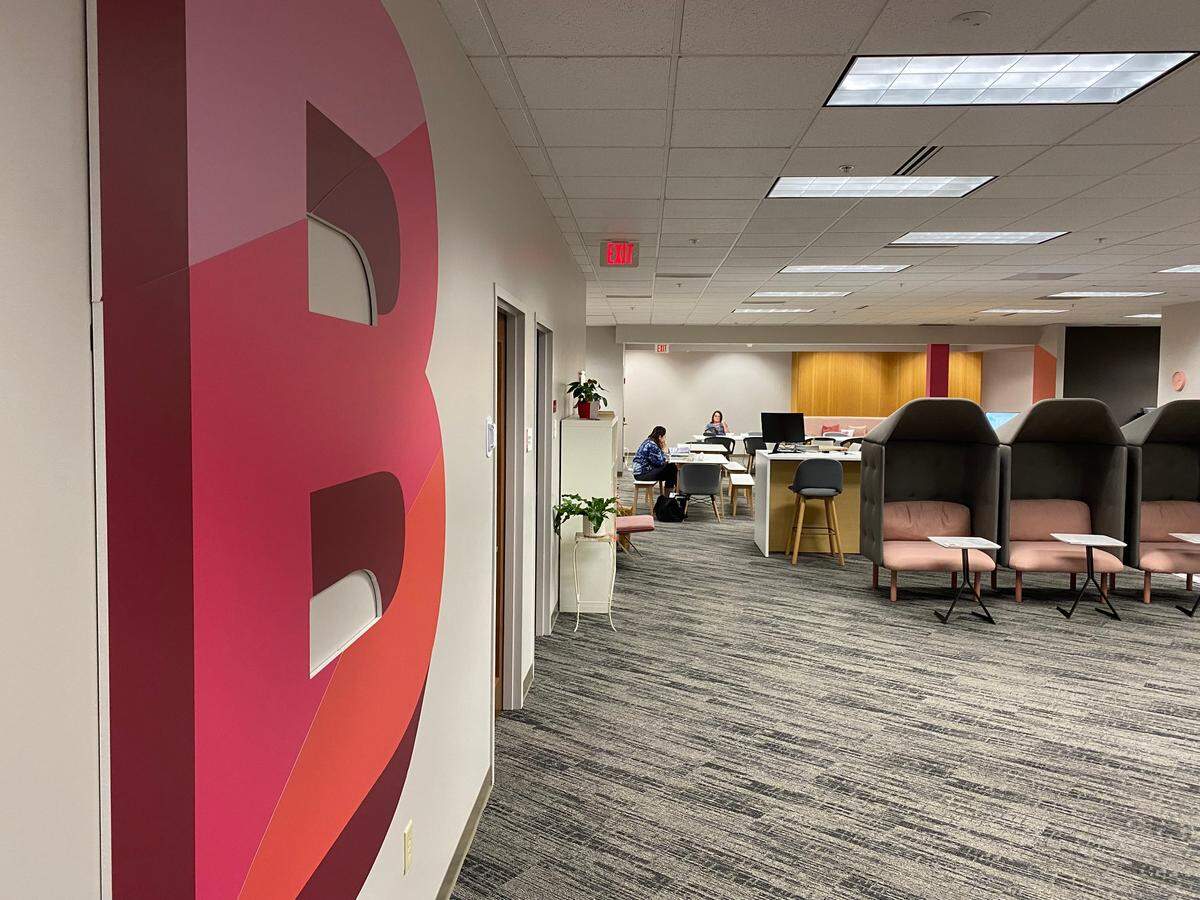
Rogers and Scales said it’s important for operators to be nimble to the needs of members — matching the evolving demands of modern work with flexible leases and accommodations. Big national providers, they said, may struggle to keep up.
“The main draw for coworking has been intensive localized community, which the larger players are not able to replicate at scale,” Scales said.
And coworking competition in the Triangle is escalating.
In the past five years, the area has seen an increase in new communities. Just this week, a coworking space designed for auto enthusiasts opened in Raleigh.
“I think a lot of the larger real estate operators are going to start flipping vacant space into coworking,” Scales said. “We’re going to see more coworking in residential context and apartment communities. And nontraditional coworking spaces are going to start trying to monetize their available space.”
And with this greater supply, he predicted some office communities won’t make it.
This story was originally published August 11, 2023 at 6:00 AM.