Wood pellet maker Enviva declares bankruptcy, hopes to emerge stronger. What went wrong
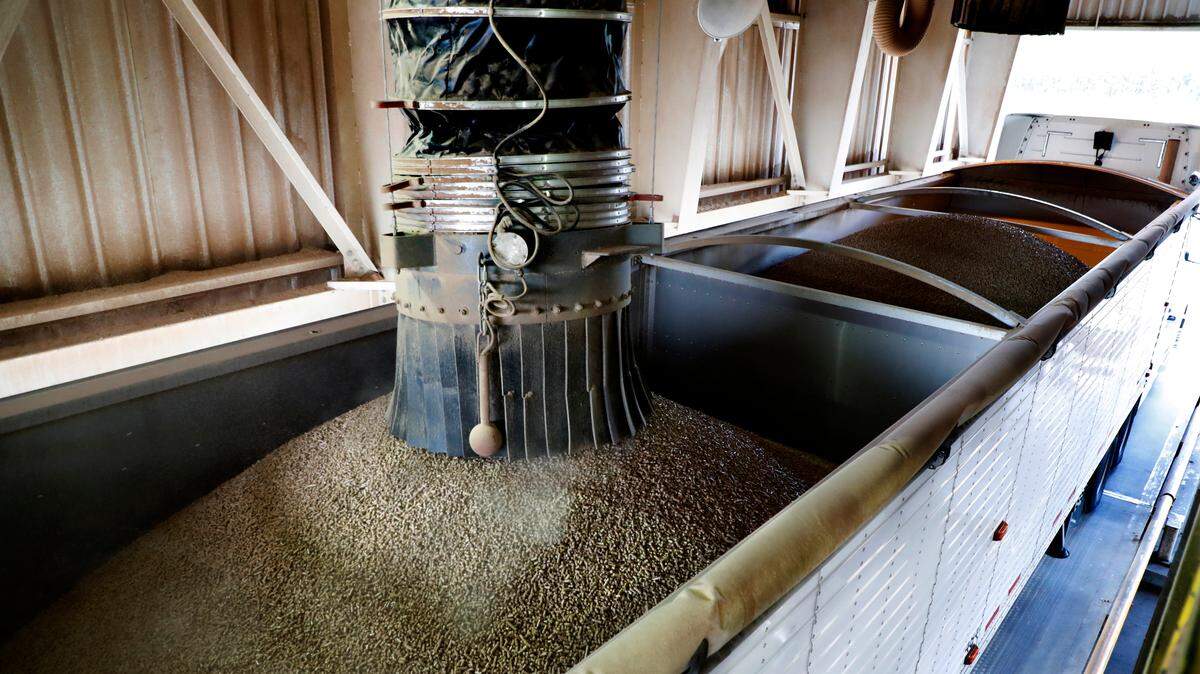
Enviva, the world’s largest maker of wood pellets with four plants and an export terminal in North Carolina, has declared bankruptcy but says it expects to emerge with its business intact.
Maryland-based Enviva announced late Tuesday that it had reached agreements with several of its creditors that will allow it to reduce its debt by $1 billion. To carry out those agreements, the company says it went into Chapter 11 bankruptcy.
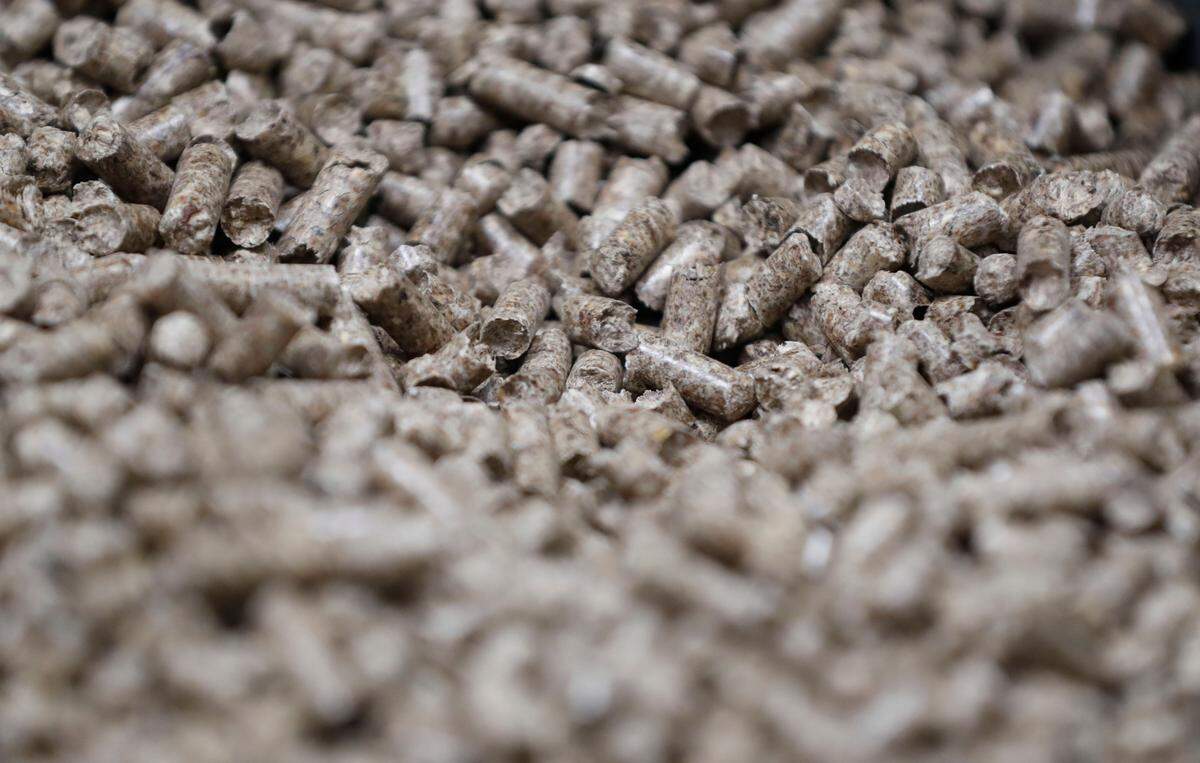
Enviva essentially sells one product: cylindrical pellets about as big around as a pencil that it makes from trees and scrap wood from the Southeastern United States. Demand for the pellets has remained strong in Europe and Asia, where they are burned in power plants for heat and electricity.
But Enviva reported big losses last year. The company cited several reasons, including higher interest rates, but said the primary cause was bets it made on the price of wood pellets in late 2022. The company agreed to purchase large amounts of pellets for more than it was selling them for at the time, on the assumption that prices would rise.
They didn’t, and the company’s inability to pay its debts pushed it to the brink of insolvency.
The deals with creditors it announced Tuesday will help Enviva restructure its debts and survive, according to Glenn Nunziata, the interim CEO and chief financial officer.
“We look forward to emerging from this process as a stronger company with a solid financial foundation and better positioned to be a leader in the future growth of the wood-based biomass industry,” Nunziata said in a statement.
Enviva’s business model depends on policies in Europe and Asia that view burning wood pellets as less harmful to the environment than fossil fuels.
But critics say cutting trees in the U.S. to create pellets that have to be shipped overseas isn’t a sound strategy for combating climate change. Scientists and ecologists point out that burning wood pellets releases more carbon dioxide than burning coal and that it may take decades for replanted trees to reabsorb it.
In addition, the company routinely buys trees that have been cut from mature forests and is a significant source of air pollution in the rural communities where its plants are located, according to the Natural Resources Defense Council.
”This is an industry that can only operate at scale if countries continue to perpetuate the myth that it’s zero carbon and provide subsidies, and if its suppliers clear cut forests and pollute communities,” Elly Pepper, the group’s director of forest policy, said in a statement. “This should be a wakeup call to policymakers in the UK, Europe, and the United States: clean energy tax subsidies should be directed to solutions that are actually economically viable and don’t harm people and our planet.”
Enviva operates 10 plants throughout the Southeast, including four in Eastern North Carolina, in Hertford, Northampton, Richmond and Sampson counties. The company’s pellets are loaded onto ships at six deep-water ports in the Southeast, including the Port of Wilmington.
Enviva says it will continue work on a new plant in Epes, Alabama, that it hopes to bring on line early next year. But it says it will suspend development of a plant in Bond, Mississippi, and reconsider it after restructuring.
After peaking at nearly $88 a share in April 2022, Enviva’s stock has traded for less than a dollar for weeks. It remained under $1 Wednesday.
This story was originally published March 13, 2024 at 12:18 PM.