Duke professor named OpenAI chief economist, to study work in artificial intelligence age
OpenAI, the company behind the large language model ChatGPT, has hired a Duke University professor and former Biden Administration adviser to examine the future of work.
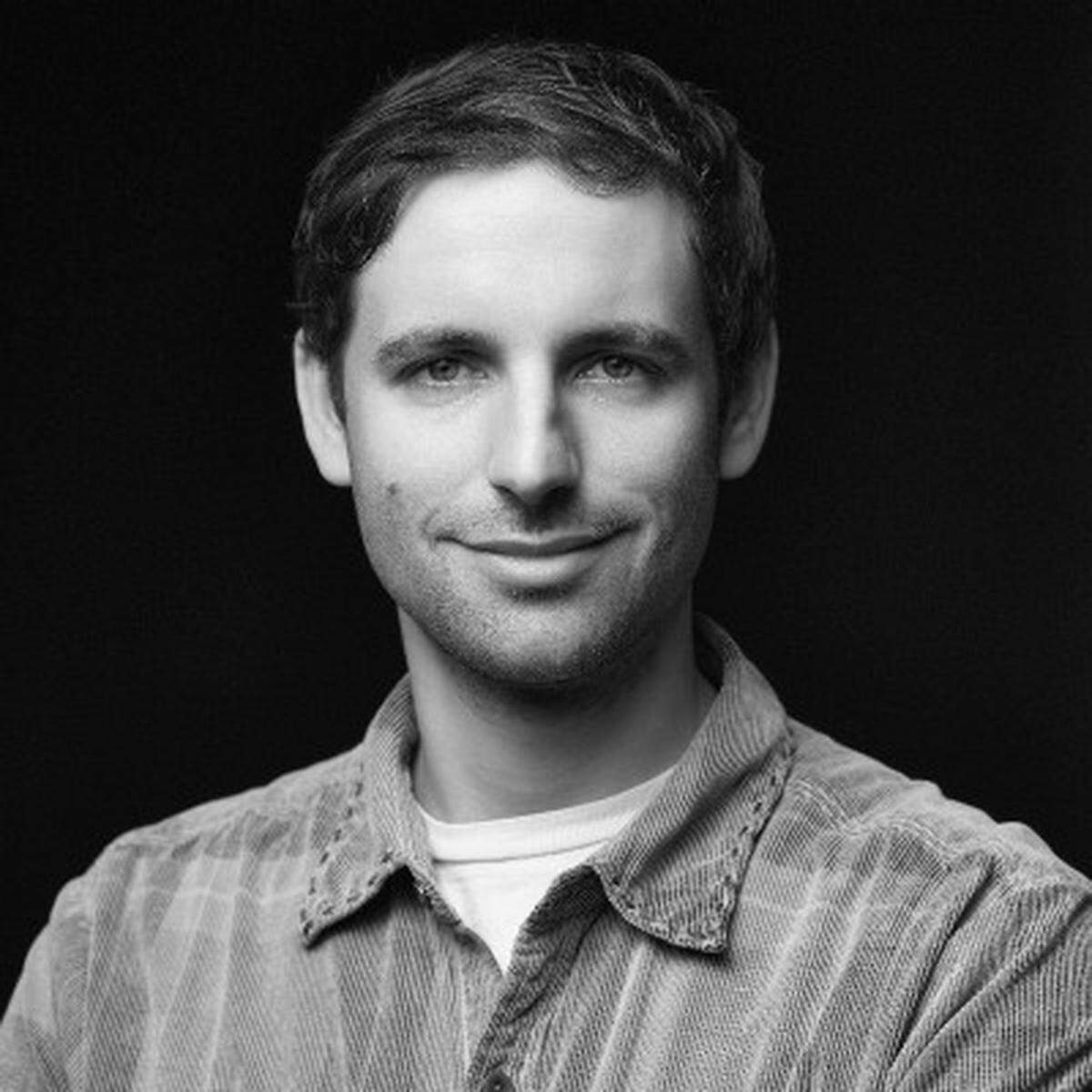
Aaron “Ronnie” Chatterji of Durham was named the first chief economist for OpenAI, the $157-billion San Francisco startup announced Tuesday. The role will ask Chatterji to grapple with how AI may reshape economies — and who it could benefit.
Chatterji will continue to teach at the Duke University Fuqua School of Business, the university confirmed. He has taken on outside positions before, serving as an economic adviser in both the Biden and Obama administrations. Most recently, he was the White House coordinator for CHIPS Implementation at the National Economic Council, where he helped manage the rollout of the federal CHIPS Act. He first joined the Biden Administration in 2021 as an economic adviser to the commerce secretary.
In 2020, he ran unsuccessfully for North Carolina State Treasurer, losing to Republican incumbent Dale Folwell.
“My career has focused on studying how innovation and entrepreneurship shape our economy and society,” Chatterji said in a statement Tuesday. “I am excited to apply my skills to support OpenAI’s mission to ensure that the benefits of artificial intelligence are widely distributed. I look forward to contributing to research that helps inform how we transition to an AI-driven economy.”
Founded in 2015, OpenAI achieved wider recognition in late 2022 with its release of ChatGPT, a generative AI platform that brought newfound attention to artificial intelligence. OpenAI CEO Sam Altman has predicted the technology will alter the types of jobs people perform, erasing and creating occupations as its capabilities advance.
“As we have seen with other technologies, there will also be downsides, and we need to start working now to maximize AI’s benefits while minimizing its harms,” Altman wrote in his Sept. 23 essay “The Intelligence Age.”
Altman theorized about a time when each person has their own “personal AI team” that can “create almost anything we can imagine.” Students will have AI tutors; health care administration and software coding will be transformed.
“We expect that this technology can cause a significant change in labor markets (good and bad) in the coming years,” Altman wrote in his essay. “But most jobs will change more slowly than most people think, and I have no fear that we’ll run out of things to do (even if they don’t look like ‘real jobs’ to us today).”
This fall, OpenAI said it would switch its main business into a for-profit corporation.
This story was originally published October 23, 2024 at 3:39 PM.