
Duke Energy seeks federal grant to boost small modular nuclear reactor development
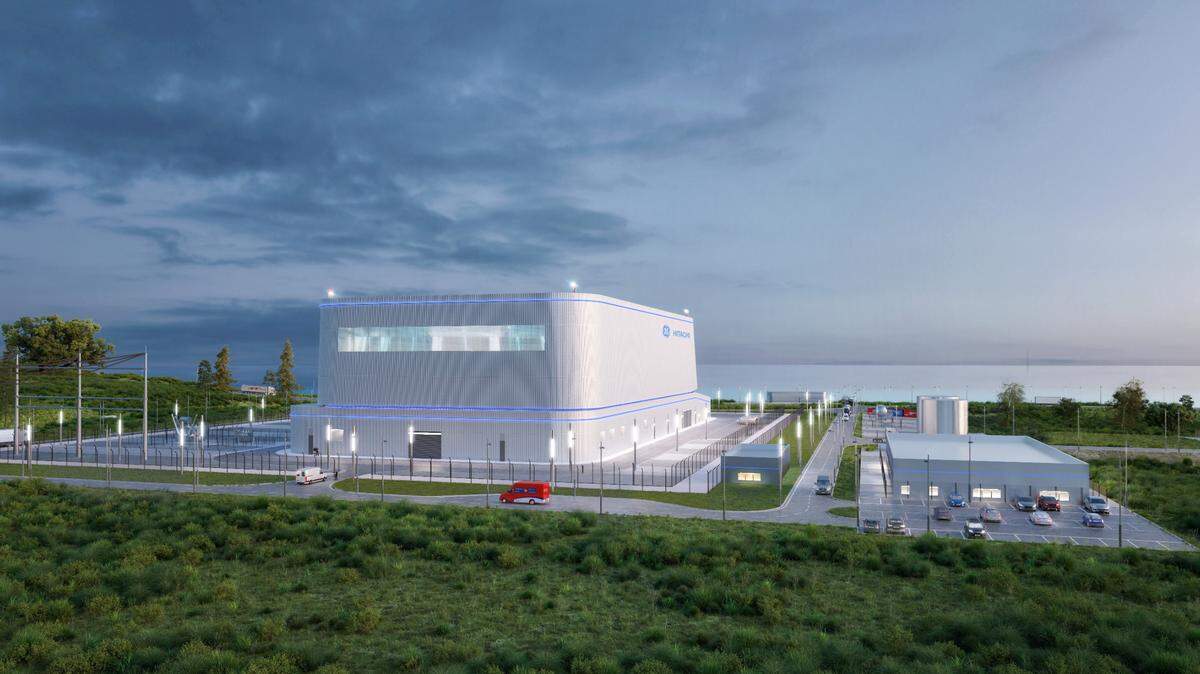
Duke Energy is joining a public-private coalition seeking an $800 million grant from the federal government to help build a small modular nuclear reactor in Tennessee, a project the North Carolina utility hopes will help guide the development of its own nuclear fleet.
The Tennessee Valley Authority is leading the application for the U.S. Department of Energy’s Generation III+ Small Modular Reactor Program, with partners including Wilmington-based GE Hitachi Nuclear Energy, energy engineering firm Sargent & Lundy and nuclear reactor manufacturer BWX Technologies, among others.
For Duke, the grant would offer a chance to cut down on the costs of developing and evaluating small modular nuclear reactors, a technology that is not operating anywhere in the United States. In planning documents, Duke has indicated it hopes to have its first small modular nuclear reactor operating by 2034, with another coming online by 2035.
Harry Sideris, Duke’s president, said in a written statement that new energy sources like small modular nuclear reactors could be part of the company’s “all-of-the-above” approach to generating power.
“Public-private partnerships such as this accelerate technology development and increase our access to industry learnings and best practices, so we can deliver the best value for our customers, communities and investors,” said Sideris, who will become the company’s CEO in April.
TVA could start generating power from a small modular reactor at its Clinch River Project in Oak Ridge, Tennessee, by 2033 if the federal grant is approved.
Duke’s SMR plans
Nuclear energy offers a carbon-free resource that is also available at any time, potentially mitigating the downsides of both fossil fuel-fired powerplants that spew pollution and renewable energy like wind and solar that utilities can’t always call upon when they need it.
In 2024, 50.9% of Duke’s power generated in North and South Carolina came from nuclear energy.
But critics argue that nuclear, particularly small modular reactors, are expensive and will likely take longer to build than planned. That could introduce unnecessary risk into an already complicated energy transition that is playing out even as utilities anticipate significant demand increases.
Duke is in the preapplication period for a small modular reactor at Belews Creek, where it would help replace a coal and gas-fired powerplant that is slated for demolition in December 2035. The company is expected to submit an early site permit application to the Nuclear Regulatory Commission in October.
If that permit is approved, Duke would be able to pursue building a nuclear power plant there. But it would still need to seek further federal approvals for the specific reactor design and then construction, as well as a license to operate whatever is built. State regulators would also need to approve the project before construction could start.
In Utilities Commission filings, Duke has indicated it is planning to build small modular reactors that can each generate 300 megawatts of power. An early 2024 update to its resource plan said that after Duke completes its first small modular reactor at Belews Creek in 2034, it plans to bring one more online there annually over the following five years.
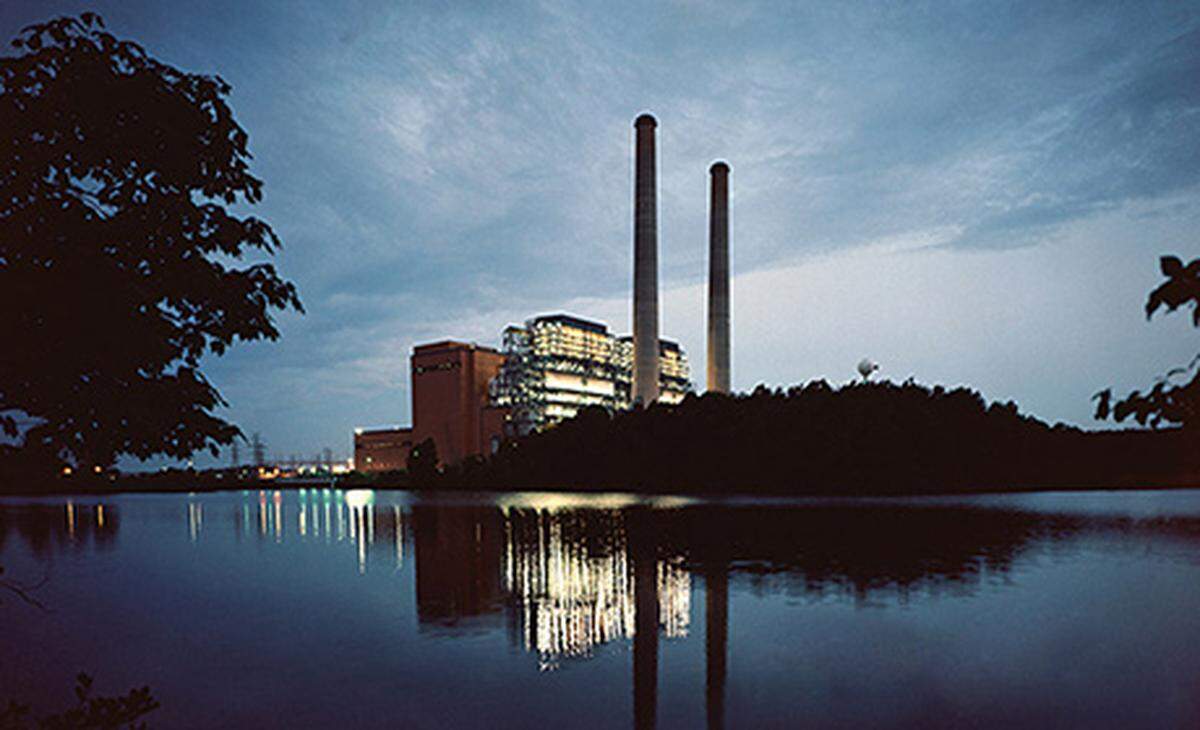
Duke as not announced its second planned small modular reactor site.
Small modular reactors are unproven and carry significant cost uncertainty for ratepayers, Will Scott, the Environmental Defense Fund’s Southeast climate and clean energy director, said in an interview.
“There are proven, affordable clean energy alternatives that we could be investing in and developing now that don’t require the same level of uncertainty or federal funding,” Scott said, pointing to solar energy, battery storage and wind energy as options that could be ramped up in the shorter term in case nuclear proves cost prohibitive or takes longer to build than anticipated.
In its November 2024 resource plan approval, the N.C. Utilities Commission gave Duke permission to spend as much as $365 million through 2026 to develop advanced nuclear technologies. Previously, the commission gave Duke approval to spend as much as $75 million on such activities through 2024.
The Utilities Commission said in that approval that new nuclear could “play a critical role” in North Carolina’s energy mix, writing that its members recognize “the value of carbon-free nuclear generation, which serves as baseload capacity, to the changing dynamics of the electric system.”
Working with GE Hitachi
Separate from the coalition seeking the federal grant, Duke Energy announced this month that it will work with GE Hitachi to help the company seek Nuclear Regulatory Commission approval for the standard design of GE Hitachi’s BWRX-300 small modular reactor, as well as licensing for the reactor.
Ontario Power Generation is expected to bring a BWRX-300 online by 2029, and American Electric Power has announced that it plans to build one of the reactors at its Indiana Michigan Power Rockport Plant.
“On the heels of the significant progress that is occurring with the deployment of the first BWRX-300 at Ontario Power Generation’s Darlington site, these announcements signify the growing confidence the industry has in our SMR technology,” Mavi Zingoni, the CEO of Hitachi parent company GE Vernova’s power businesses, said in a written statement.
Duke may be helping GE Hitachi gain key regulatory approvals, but a company spokesman said it has not selected the BWRX-300 as the small modular reactor design it intends to pursue at Belews Creek.
That decision, the spokesman added, will come later in 2025.
This story was produced with financial support from the Hartfield Foundation and Green South Foundation, in partnership with Journalism Funding Partners, as part of an independent journalism fellowship program. The N&O maintains full editorial control of the work. If you would like to help support local journalism, please consider signing up for a digital subscription, which you can do here.
This story was originally published January 28, 2025 at 11:14 AM.