Open Source: ‘The endowment doesn’t save us.’ Latest NIH cut has Duke and UNC freaked out.
I’m Brian Gordon, tech reporter for The News & Observer, and this is Open Source, a weekly newsletter on business, labor and technology in North Carolina.
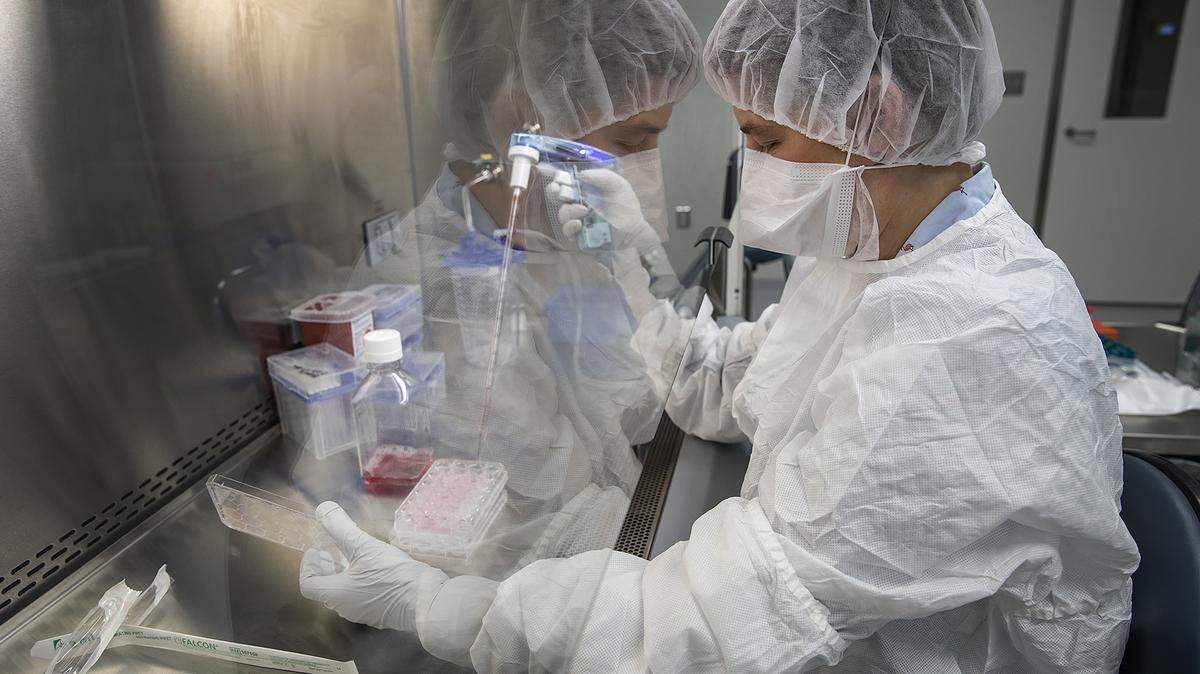
Among the burst of Trump administration policy overhauls, a guidance last Friday by the National Institutes of Health sent shock waves through every U.S. academic research institution with a medical school.
The government capped “indirect” grant payments, which cover grantees’ facilities and administrative costs, at a flat 15% rate. This is far below what major universities like Duke (61.5%) and UNC-Chapel Hill (55%) negotiated, and in that difference lies hundreds of millions of dollars.
“This is seismic,” said Dr. Colin Duckett, vice dean for basic and preclinical science at the Duke University School of Medicine. “I cannot overstate that.”
Duke and UNC are both top-15 recipients of NIH funding. In 2023, their researchers brought in $1.2 billion, more than half of what the federal agency awarded in all of North Carolina. On Monday, UNC’s faculty executive committee held an emergency meeting to discuss the rate change.
Duckett acknowledged universities may need to do a better job of explaining how this money is used. The NIH is by far the largest source of medical research funding in the nation. Even at a higher indirect payment rate, the Duke School of Medicine loses money on its research, he said, making the facilities and administrative (F&A) payments all the more essential.
“That money is not a slush fund,” he said. “It’s required to do the work.”
Duckett used an analogy of building a car. The direct portion of any NIH grant — the amount earmarked for specific research — is like the car components. But without a factory to assemble these parts, no car will exist.
Indirect payments pay for the “assembly line” that puts research together. They cover building maintenance, shared lab space and equipment, and regulatory compliance. Duke’s Cryo-electron microscope, Duckett explained, is an instrument that can solve molecular structure problems, which once took many months, in minutes. No specific research grant paid for this machine, he said. It was cumulatively afforded through indirect payments.
When lowering the F&A rate, the Trump administration emphasized that private institutions like the Bill and Melinda Gates Foundation only pay universities an additional 10% for indirect costs. And some academics agree the government’s indirect payments could come down.
“University endowments have grown so enormously,” Syracuse University economist Carl Schramm told NPR this week. “I think the federal government is basically saying, ‘Why don’t you put some of your skin in this game?”
‘The endowment doesn’t save us’
Endowments are big and getting bigger. Last summer, Duke’s endowment approached $12 billion while UNC-Chapel Hill’s stood north of $5.5 billion.
However, university leaders stress this money is constrained. Most donors give to “a specific purpose” said Holden Thorp, who served as UNC-Chapel Hill chancellor from 2008 through 2013. Schools are then legally bound to spend these gifts in a narrow way. Thorp explained this is why more of endowments can’t be used to lower tuition, much to the ire of some liberals.
In the medical field, donors like giving money for more physicians and flashier, life-saving research initiatives, Duckett said. Covering administrative costs aren’t as sexy, and thus as common, a focus.
“The endowment doesn’t save us,” he said. “It isn’t something that can be used because someone decided that we’re just too rich.”
As for the argument that private foundations pay lower indirect rates, Duckett countered that these funders represent “a drop in the ocean” compared to the federal government. If all F&A payments were 15%, he said, it would be impossible to function.
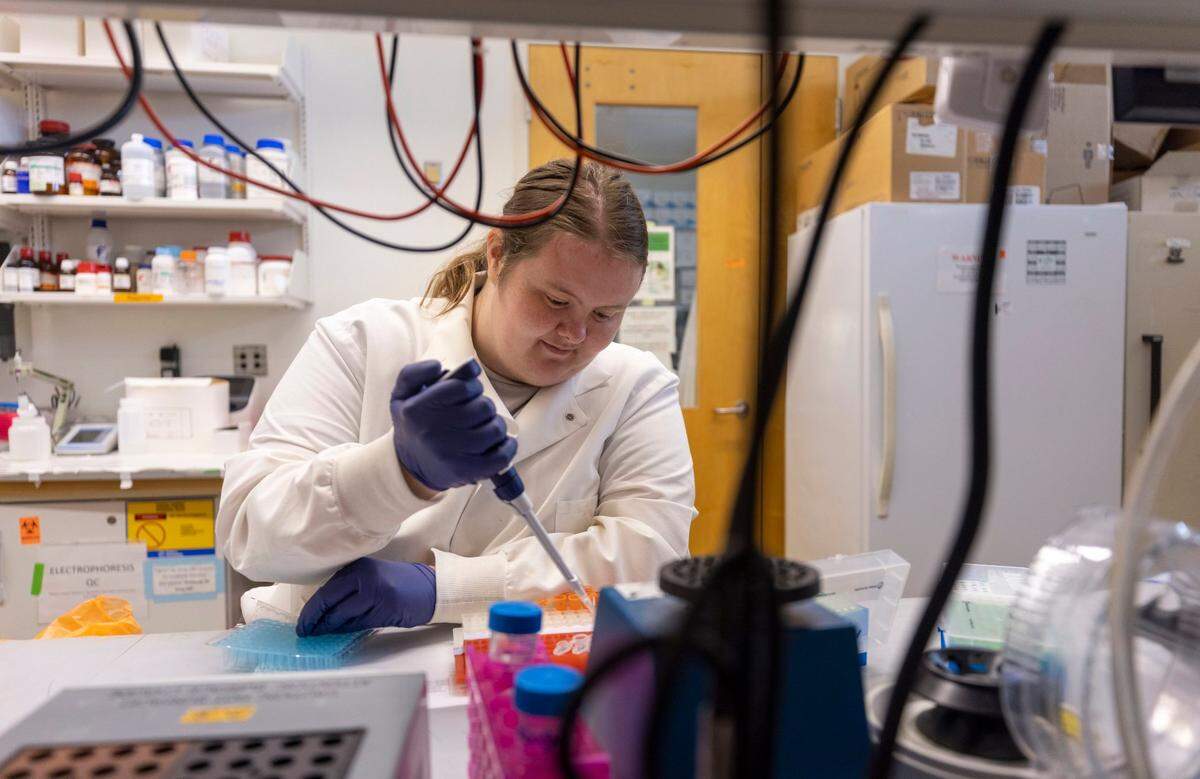
In 2023, Duke University and UNC-Chapel Hill combined for 2,045 NIH grants. You can view all these projects online. Picking one to highlight, Duke received a $900,000 grant to study stems cells to repair glomerular injuries, which occur in the kidneys. This award came with an additional $525,761 for indirect costs.
Under the Trump rule, the $525,000 becomes $135,000. And that’s just one grant. Two years ago, NIH awarded Duke University $188 million in indirect payments and UNC $131 million.
Some may view this as an area for greater taxpayer efficiency. Duckett says cutting to such a degree puts a “stranglehold” on scientific achievement and the health of the nation — let alone the research-rich Triangle economy.
Bitcoin pension returns
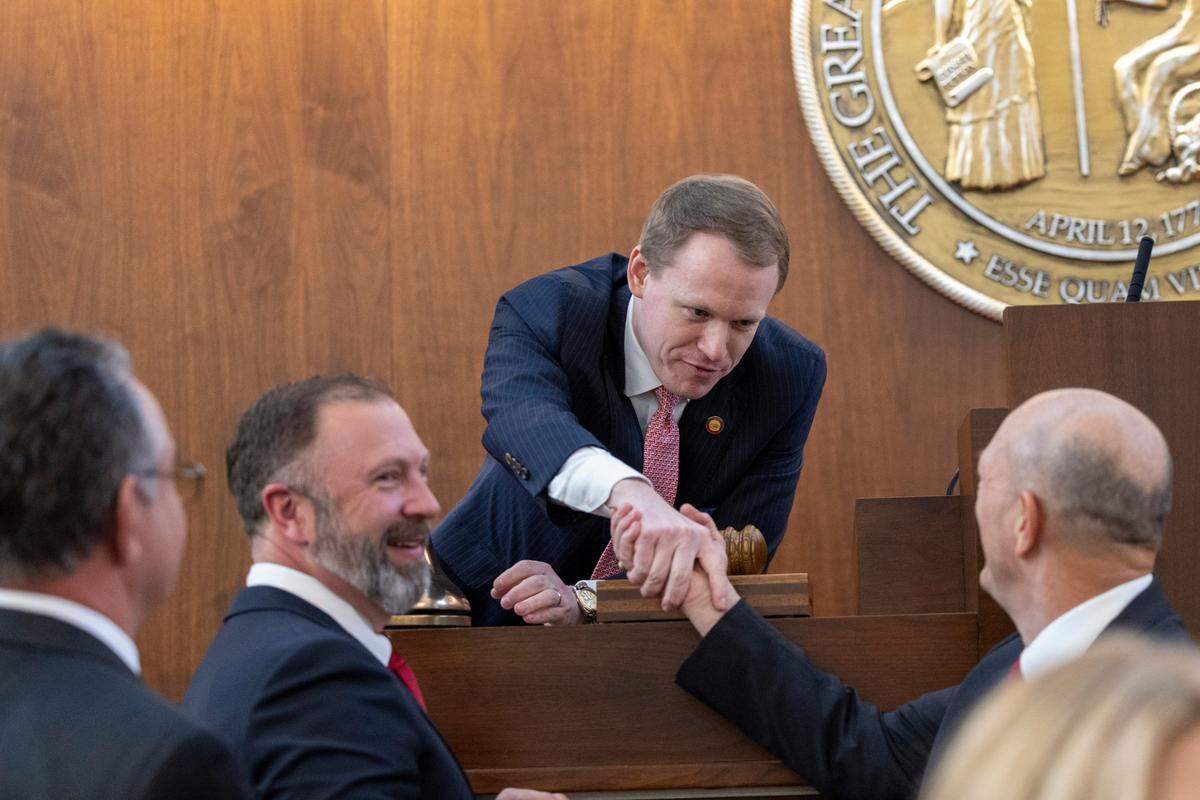
Introduced Monday, the NC Digital Assets Investments Act would allow the state treasurer to invest up to 10% of North Carolina’s $129 billion pension fund in Bitcoin. The bill already has important NC backers; Republican House Speaker Destin Hall introduced it while Democratic Gov. Josh Stein told The N&O he supports giving the treasurer more tools to make strong returns.
North Carolina’s new state treasurer is Republican Brad Briner. He was one of three North Carolina candidates this past election to receive campaign contributions from Daniel Spuller, co-chair of the North Carolina Blockchain Initiative and a partner with Speaker Hall on the Bitcoin bill. Spuller’s contribution to Briner’s campaign was $1,000 (His other donations went to Republicans Mark Robinson and Hal Weatherman.)
North Carolina is no outlier in exploring cryptocurrency. Propelled by President Donald Trump’s call for a national Bitcoin reserve, and the allure of stronger returns, around 20 states are considering ways to invest in digital currency.
“We appreciate the legislature’s focus on finding new and forward-thinking ways to improve the performance of our pension plan and look forward to reviewing the bill,” Department of State Treasurer spokesperson Loretta Boniti said in an email Tuesday. “There are many compelling innovations happening in digital assets and it is important that our state explore opportunities to modernize.”
Clearing my cache
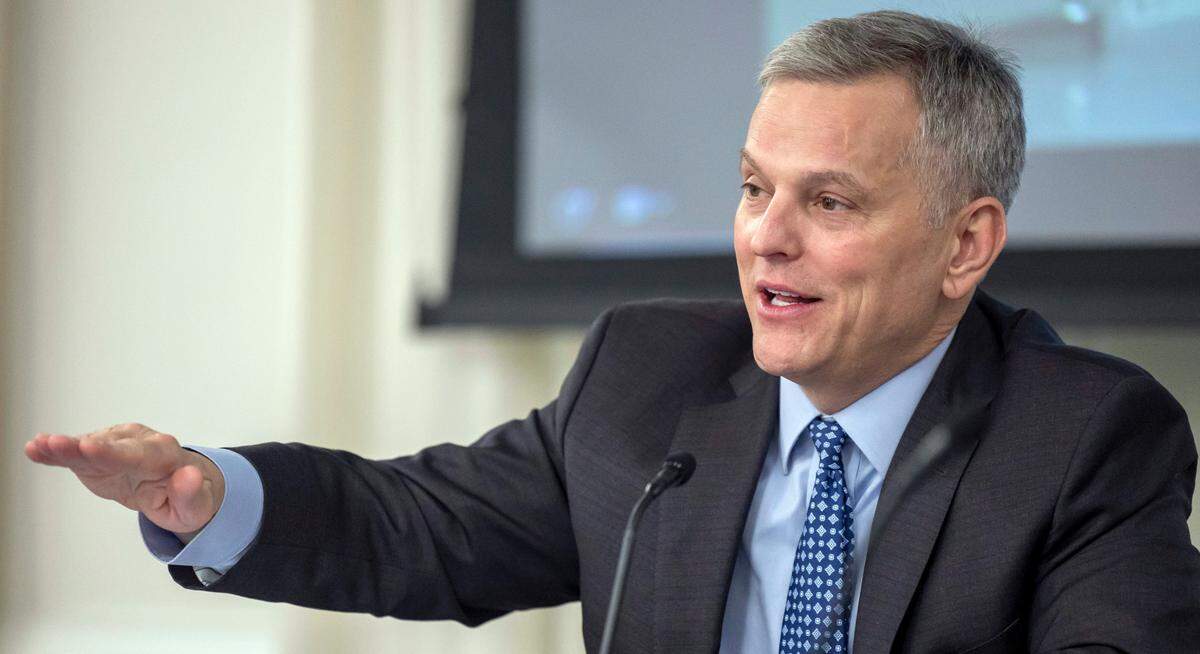
- In an N&O interview this week, Gov. Stein spoke on the severity of the NIH cuts and critiqued Elon Musk’s “move fast and break things” ethos.
- The prominent Triangle research nonprofit RTI International announced “temporary” layoffs affecting 61 workers in North Carolina (and 226 U.S. staff overall) due to federal foreign aid cuts. Last week, the large research nonprofit FHI 360 in Durham shared it would furlough more than 200 North Carolina workers because of the USAID funding pause.
- Thousands of Amazon warehouse workers in Wake County are weighing whether to unionize this week during a multi-day election. The final count will be announced Saturday. Can the independent union CAUSE win against the nation’s second-largest private employer? The campaign tactics have been fascinating.
- What will the global oversupply of lithium-ion batteries mean for some of the North Carolina’s many recent lithium-ion battery projects? Well, this week the state canceled a 2022 incentive for Sunlight Batteries USA to open a lithium-ion battery plant in Mebane after the company failed to provide a hiring update.
- Wild Earth, a Triangle startup that makes plant-based pet food and appeared on “Shark Tank,” has filed for bankruptcy, the Triangle Business Journal reported.
- Boom Supersonic completed its second supersonic test flight, and says it has a technology to dim the booming noise linked to breaking the sound barrier. Getting quieter supersonic flight is key to Boom’s dream of reviving supersonic passenger travel through a North Carolina factory.
- Walmart will close a regional office in Charlotte, affecting 267 positions, as the retail giant consolidates offices nationwide.
National Tech Happenings
- Unexpectedly high U.S. inflation in January could stall any Federal Reserve plans to cut interest rates.
- Where does he find the time? Elon Musk has offered $97.4 billion to buy OpenAI, the generative artificial intelligence company behind ChatGPT. OpenAI CEO Sam Altman is dismissing the offer.
- In journalism news, Thomson Reuters won one of the first cases concerning the training of AI models and copyright infringement.
Thanks for reading!
This story was originally published February 14, 2025 at 5:45 AM.