Gotta print ‘em all: How a Triangle company became the primary US printer of Pokémon cards
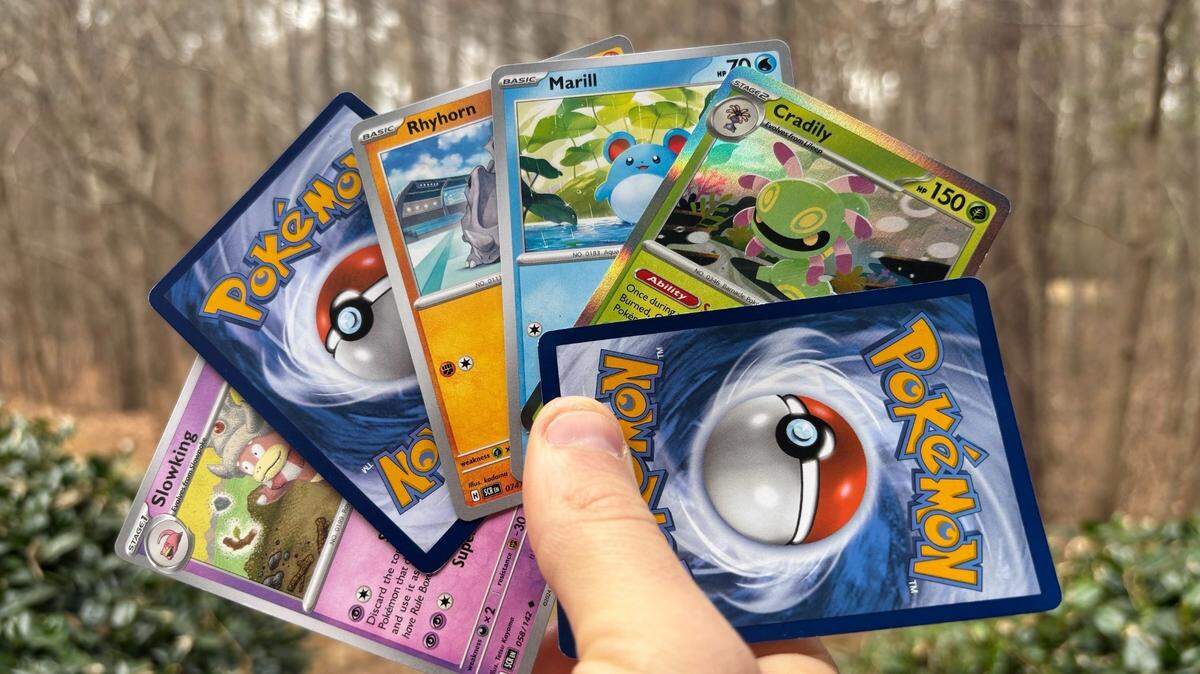
Finding a fresh pack of Pokémon cards in the Triangle right now is nearly impossible. The Walmart off Highway 54 in Morrisville is sold out. So too is Game Theory in Wake Forest and The Gamer’s Armory in Cary.
Minutes after opening Wednesday, hobbyists crowded inside Raleigh’s Hidden Block Games to buy and trade individual Pokémon, where prices range from a few dollars to one mint condition card marked at $2,000.
“Because they’re hard to get, it makes them more desirable,” the store’s co-owner Jeremy Smith said. “And the demand is never-ending. It’s just never enough.”
Pokémon hype isn’t new. In the late 1990s, the Japanese brand swept through the United States. The cards can be played or collected, its English-language slogan, “Gotta Catch ‘Em All,” doubling as an in-game objective and buyer’s directive. There are now more than 1,000 Pokémon, short for “pocket monsters”, vibrant creatures inspired by animals, nature, mythology and even household items like keys.
Feb. 27 is designated “National Pokémon Day” to mark the anniversary of its 1996 release. After 29 years, its universe spans video games, anime shows, movies and merchandise. The Pokémon Company International was the seventh largest brand in the world last year, according to License Global, with $10.8 billion in sales, ahead of Mattel and Paramount.
But its cards remain most prized, fueled by longtime fans and an influx of retail investors looking for clear profits. (“Opportunists buy them at Target for $50 and sell them online for thousands,” Smith said. “It’s that easy.”)
A month ago, I purchased one of the last Pokémon booster packs at a Triangle-area Walmart. There were no $2,000 gems. Most cards featured a candy-colored character with relevant game statistics and a short explanation of their powers. A few were rarer holographic (or “holo”) cards set on reflective gloss.
On the back packaging, tiny text said this pack had been “Printed in the USA.” It more specifically could have read: “Printed in North Carolina.”
Multiple sites, high security
Raleigh-based Millennium Print Group is the largest printer of Pokémon cards in the United States. It operates more than a half-dozen facilities near Research Triangle Park, in both Wake and Durham counties, plus another in Greensboro. Millennium’s only other sites are in the Netherlands.
The company has printed and packaged Pokémon cards since the mid 2010s with positions like color supervisors, slitter operators and shipping specialists. In 2022, Millennium was acquired for an undisclosed amount by The Pokémon Company International, which manages the Pokémon brand outside of Asia.
“At this time, tours and interviews of Millenium Print Group are not currently available,” a spokesperson for The Pokémon Company International emailed. “However, if there is interest in the future, we would love to keep in touch to see what is possible at another time.”
Millennium employees, Smith said, walk into Hidden Block Games to resell Pokémon merchandise they have received as company gifts, including tchotchkes and larger items like Pikachu-themed skateboards. But never cards. On its website, Millennium says its facilities are guarded 24/7 and have CCTV monitoring “for the safety of our employees as well as the protection of our clients’ work.”
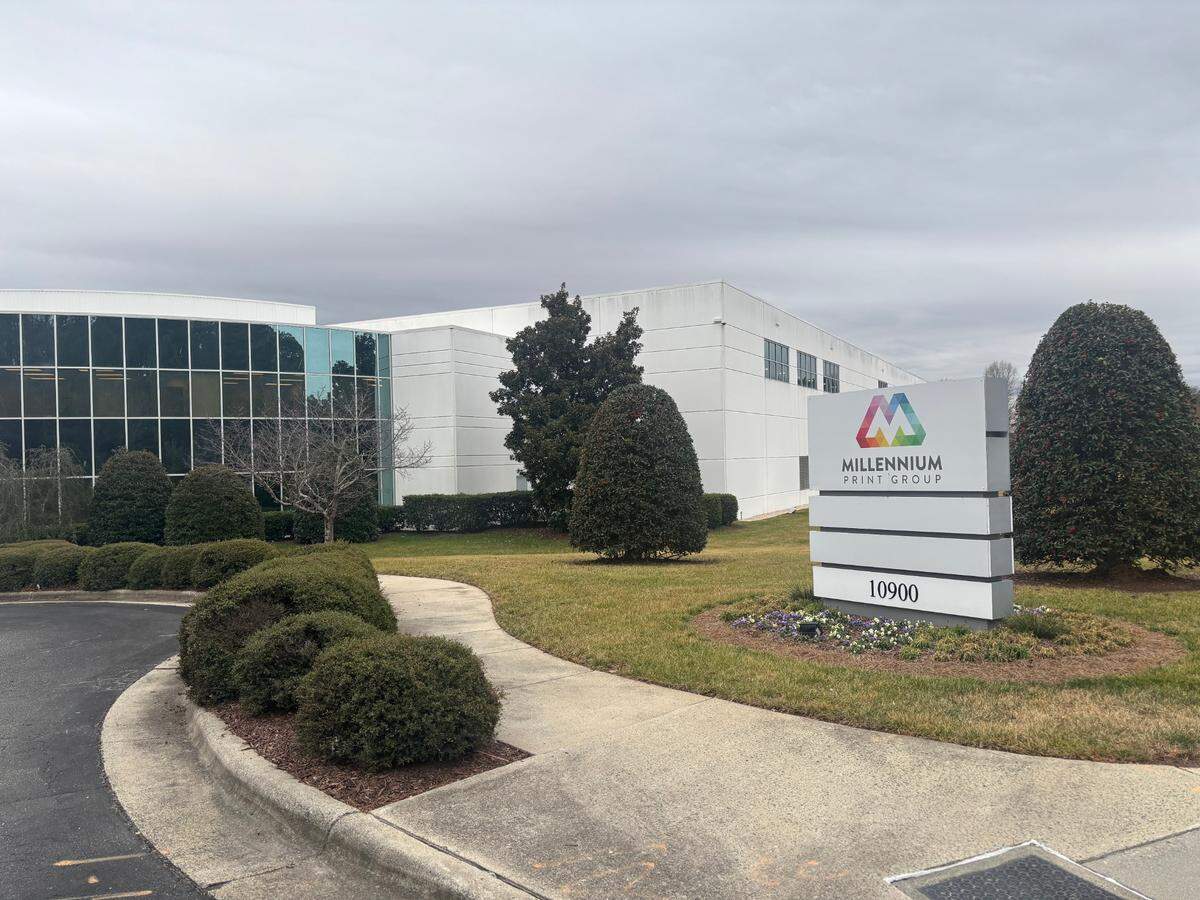
“Security is so important to them,” said Garry Pegram, the brother of Millennium’s late founder, Terry Pegram. Garry, who was the chief financial officer at Terry’s earlier Pokémon printing company, said they hired a detective agency to ensure workers didn’t sneak out packs. “You can’t enter until you’re checked in,” he said. “And then you can’t leave until you’re checked out.”
After leaving the North Carolina facilities, Pokémon cards are shipped to a list of approved card resellers, which act as middlemen between the company and retailers. For example, Hidden Block Games orders through the Nashville-based Southern Hobby Distribution, which then sends the Triangle-printed cards back to Raleigh.
Southern Hobby’s Pokémon inventory, however, has been empty for more than a month.
Cementing the Triangle’s Pokémon ties
How did the North Carolina Triangle become the Pokémon card printing capital of the United States?
The story, which isn’t without some controversy, began in 1983 when Terry Pegram and his wife, Joanne, founded a shop near RTP called PBM Graphics. In 1998, PBM began working with the Seattle-based game publisher Wizards of the Coast, which produced the popular games Magic: the Gathering and Dungeons & Dragons. Soon after, Wizards of the Coast asked PBM if it would print a new Japanese card game it was licensing.
By the following year, PBM was the world’s largest producer of Pokémon cards. “We were told that this was going to be big,” Rick Jones, PBM’s then-general manager told The News & Observer in 1999. “But to expect anything to be this phenomenal, it’s pretty unbelievable. This is as big as it gets.”
In 2005, the firm had a $3.5 million press turning out 400 colorful cards per second, 13,000 card sheets every hour. Three years later, PBM sold off to a Texas company, and Pegram retired.
Pegram was then subject to a five-year non-compete agreement. When it expired, he purchased a small printing firm called Millennium Print Group, which too became a producer of Pokémon cards.
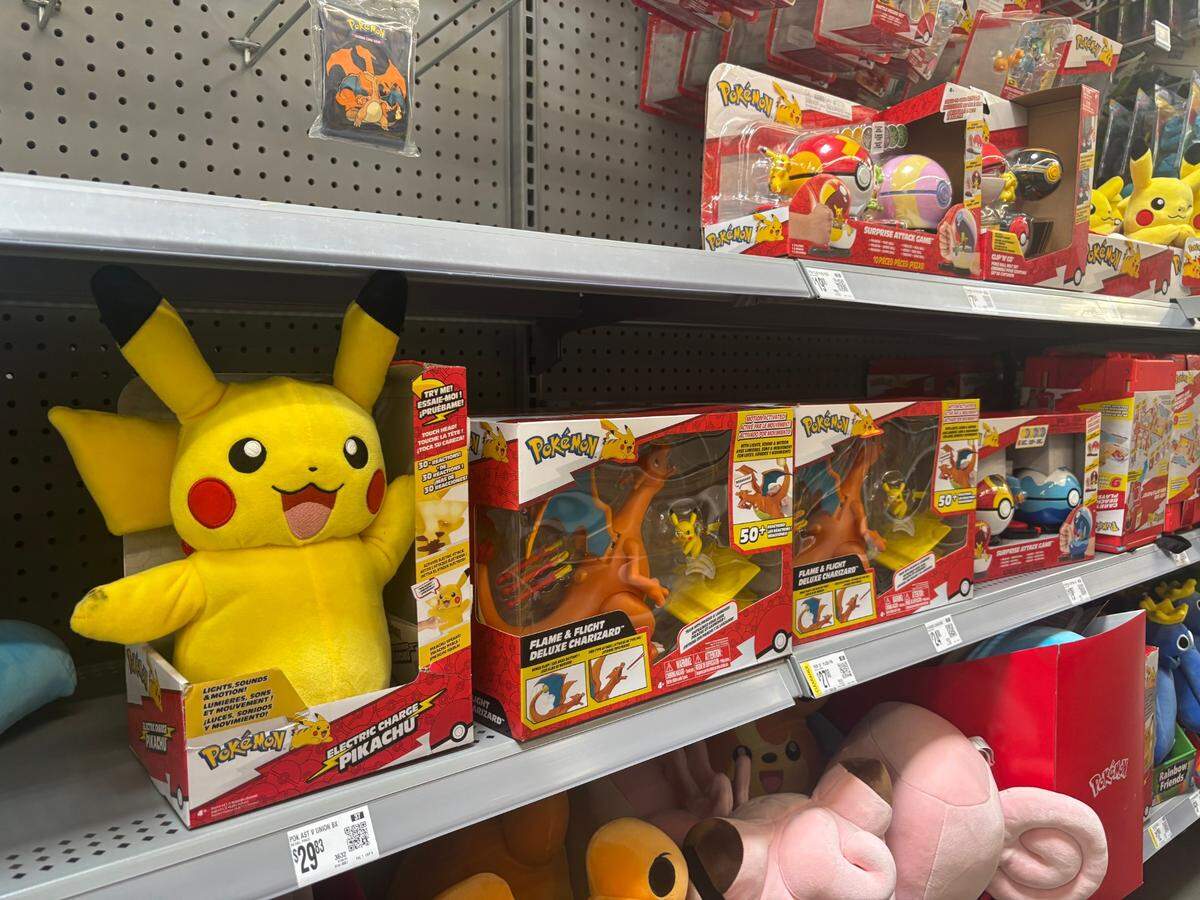
In 2019, PBM sued Millennium for allegedly “raiding” PBM of its staff and trade secrets. The lawsuit said 25 employees had moved from PBM to Millennium in the preceding five years, and that Millennium began making Pokémon unique “hourglass” shaped packaging which PBM said it had originated.
The companies settled the dispute later that year. In April 2022, The Pokémon Company International purchased Millennium, cementing its ties to the Triangle. Six months after selling his company, Pegram died suddenly at his Chatham County house. He was 75.
“That’s what he lived for, was for printing,” his brother Garry said. “A lot of people that he helped, and a lot of people that helped him.”
Pokémon says it printed nearly 12 billion cards last year, but it hasn’t been enough. In January, the parent company acknowledged the difficulties fans have locating new packs. It then promised to print “at maximum capacity.”
This story was originally published February 27, 2025 at 10:20 AM.