Open Source: Dollar General overcharged me. And I’m not the only one in North Carolina.
I’m Brian Gordon, tech reporter for The News & Observer, and this is Open Source, a weekly newsletter on business, labor and technology in North Carolina.
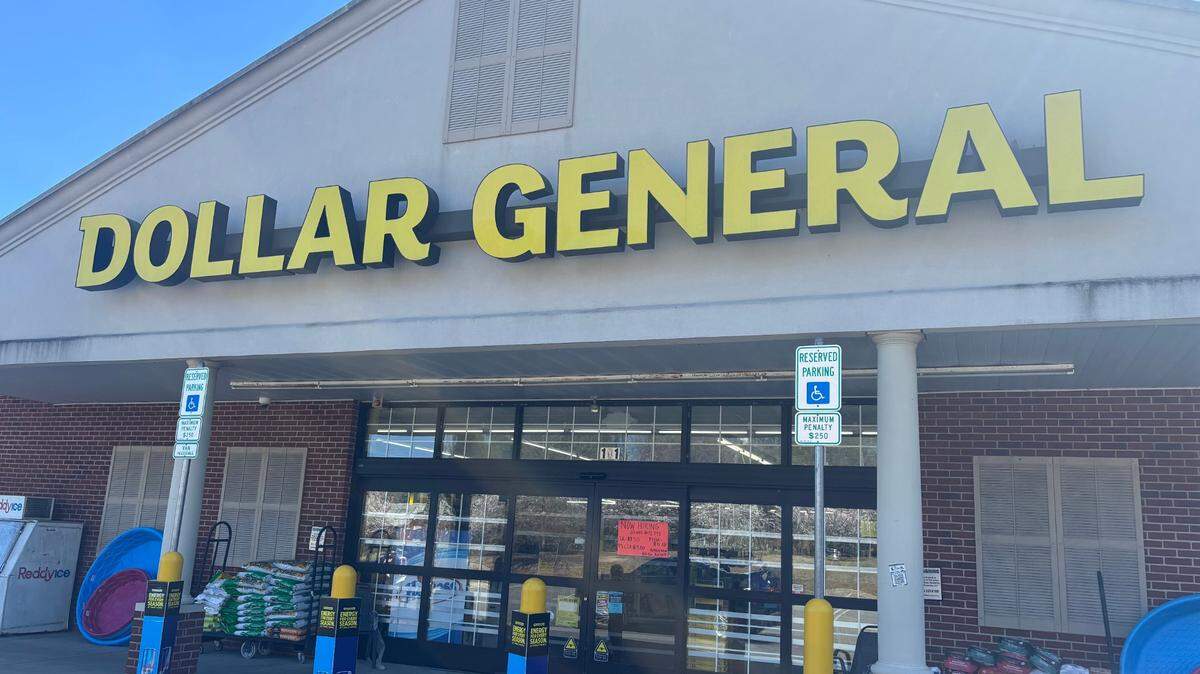
Dollar General almost passed my test. And by that, I mean it almost did what every store is supposed to do: Display prices underneath their products and charge those same prices at checkout.
This week, I visited three Triangle-area Dollar Generals to conduct an unofficial price check. My inspiration was learning that the state of North Carolina performs these checks routinely (and more formally), and often discovers overcharges.
And not just overcharges at Dollar Generals, though the largest U.S. discount chain is a common culprit. The N.C. Consumer Services’ Standards Division has fined multiple Family Dollars, Walmarts, Circle Ks, and Advanced Auto Parts in recent years for showing one price and charging higher ones. In January, it penalized 14 stores, with fines ranging from $420 to $15,000.
“Obviously, it’s up to the store to physically change the price on the shelf,” said Chad Parker, manager of the Standards Division’s Measurement Section, which is under the state agriculture department. “And most of the time, they either neglect to do that, or they don’t have enough time to do that, or they’re incompetent and they don’t do it.”
Parker’s division currently has 36 inspectors who check stores statewide for price accuracy. Large areas like Wake County have one inspector assigned to their stores while less populated counties share inspectors. Before a check, inspectors identify themselves to the store managers and then go shopping.
Or go “shopping.” For they don’t actually buy anything. Instead, the state uses a software system to scan bar codes and compare them at the register. Inspectors check between 50 and 300 items per visit, and each store has a 2% error forgiveness rate. If a store fails, it’s subject to additional inspections every two months until it gets below the threshold.
Park noted violations were highest when inflation spiked prices. Quarterly violation reports support this. The state fined 195 stores in 2022, compared to 45 last year.
These errors disproportionately affect people who can least afford it. In its new annual report released last Friday, Dollar General defines its “core customer” as a person from a low- or fixed-income household. Most live in rural areas with fewer shopping options, as 80% of Dollar General stores are in towns with fewer than 20,000 residents (at least some of whom might choose a different item at Dollar General, if they always knew the true prices).
The company has continued to build rapidly, adding 45 new locations in North Carolina alone last year, and many towns have five, six, or seven Dollar Generals within a small radius.
In late 2023, the Ohio attorney general sued Dollar General for charging more than the listed prices for some items. The company settled the case for $1 million and most of the money went to food banks. A 2024 video explaining these pricing errors, titled “What Dollar General Doesn’t Want You To Know”, has been viewed 6.3 million times on YouTube.
“Dollar General is committed to providing customers with accurate prices on items purchased in our stores, and we are disappointed any time we fail to deliver on this commitment,” the company said in a statement to The News & Observer. “When a pricing discrepancy is identified, our store teams are empowered to correct the matter on the spot for our customers.”
Which brings us to my personal price check: 15 items across three stores. Unlike the state, I bought the products — including conditioner, cat litter and insect repellent. Fourteen of the prices on my receipts matched the labels on the aisles. But then came my last purchase yesterday, an impulse buy, a pack of baseball cards at a Dollar General in East Durham. It was Opening Day after all.
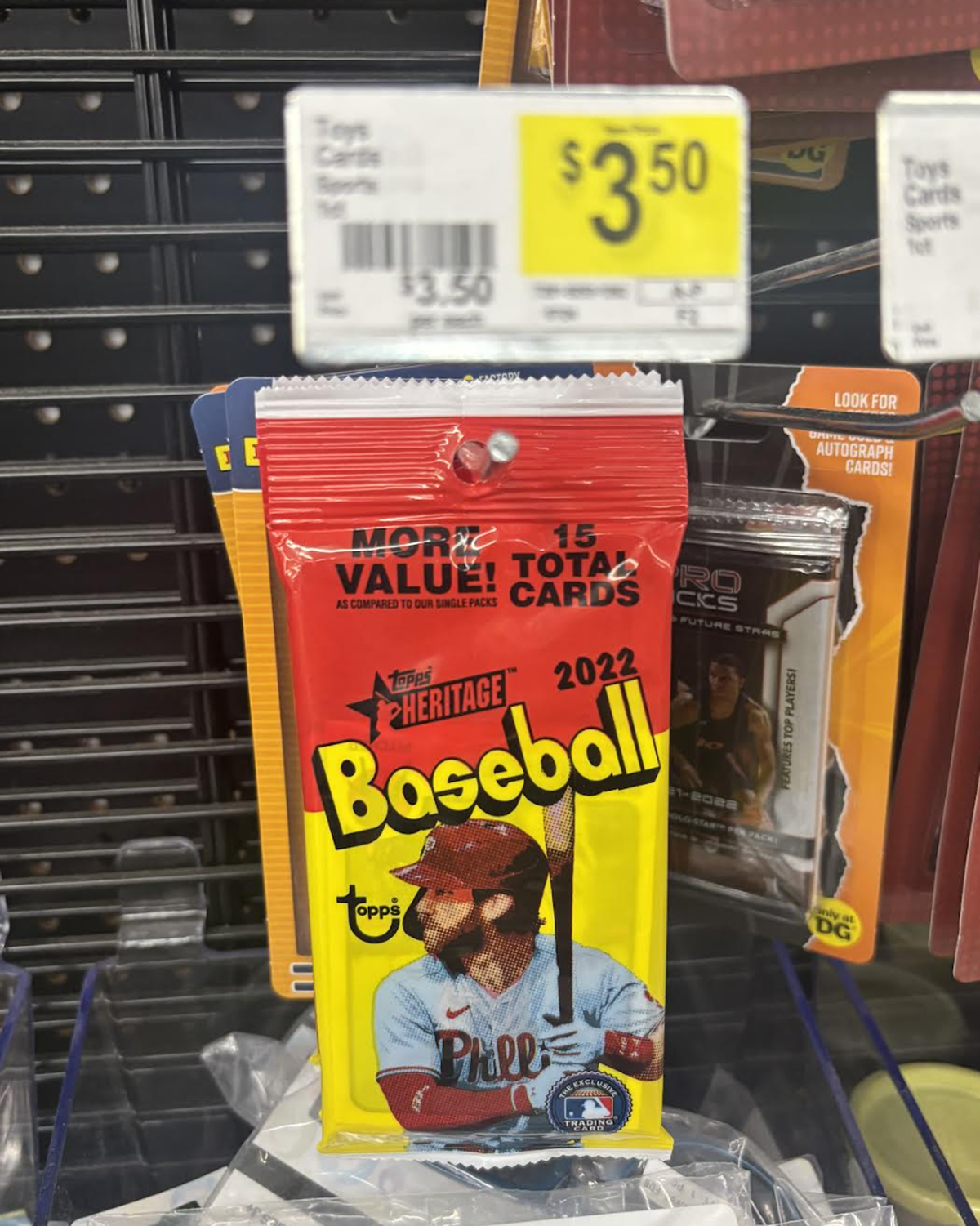
The pack was listed for $3.50. I was rung up, checked my receipt, and saw a $6 charge.
The cashier was apologetic but not surprised. She said the Dollar General where she used to work didn’t have these mistakes but that her current store needed to “get in order.”
Who are the largest Triangle employers?
It’s not a simple answer.
Major local companies hesitate to share office-specific headcounts, but they do have to report local jobs numbers to the N.C. Department of Commerce. The state then ranks the top 25 employers in every county (plus the 300 largest employers statewide).
Check out the biggest companies in Durham, Wake, Chatham, Orange and Johnston, with N&O analysis and colorful tables. One takeaway is that Fidelity has surged to become the largest employer in Research Triangle Park. Another is seeing that many of the organizations who employ the most people in the area — like Duke University, the U.S. Environmental Protection Agency, and RTI International — have cut jobs and halted hiring due to unprecedented federal policy changes.
Clearing my cache
- The Canadian furniture maker Prepac is closing facilities in British Columbia to consolidate operations at its North Carolina factory. Are President Trump’s tariffs to credit (or, if you’re Canadian, to blame?) The White House and Trump allies like North Carolina Rep. Richard Hudson are enjoying a victory lap. Only the company itself disagrees.
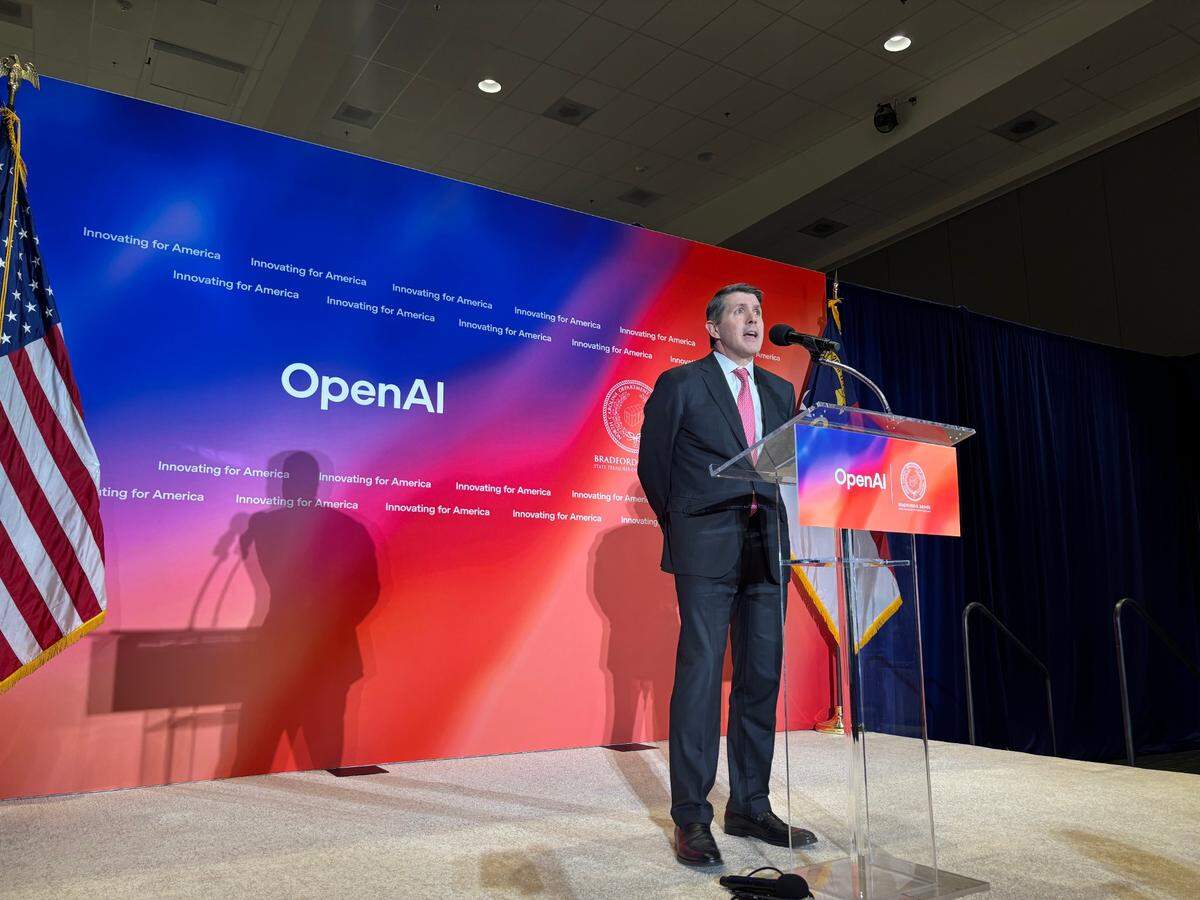
- North Carolina’s new, tech-curious treasurer has partnered with OpenAI to test how ChatGPT can help his agency “summarize reports, identify warning signs in local government financial audits, or do deep data searches for unclaimed property.” This is one of OpenAI’s first collaborations with a U.S. state agency.
State Treasurer Brad Briner assured people’s private data will be protected.
- The N&O can confirm Triangle-based IBM employees have been impacted by recent companywide layoffs. While IBM isn’t sharing site-specific numbers, it did inform the state this week it will lay off 72 workers in Winston-Salem.
- More job cuts at the Durham global research nonprofit RTI International, which has laid off more than 500 workers due to “unprecedented events” since Trump took office.
“RTI has received an unprecedented number of federally-funded project cancellations and work stoppages,” the organization’s chief human resources officer Bucky Fairfax wrote in a layoff notice to the state commerce department. In the letter, RTI said it could lose more than 30% of its operating revenue due to federal cuts.
- Wolfspeed has named a new CEO. He’ll be tasked with rebounding the prominent, but struggling, Triangle company through its crucial next year.
- Gov. Josh Stein announced a new website for those looking to work for the state. North Carolina has a 20% vacancy rate in state government, and there are many who worked in federal government who might need a landing spot.
- Johnson & Johnson’s $55 billion U.S. spending commitment began last Friday with a groundbreaking in the Eastern North Carolina city of Wilson that promises to create 400+ jobs.
- The federal health department has updated its list of National Institutes of Health grants terminated under President Trump, including new cancellations for projects focused on race, gender, sexuality, as well as many retaliatory terminations against general Columbia University research.
Since I reported on the terminated grants last week, two more N.C.-based awards have been added, including a UNC-Chapel Hill grant titled “Social safety as a novel mechanism of risk for problematic substance use among sexual and gender minority youth.”
National Tech Happenings
- The DNA testing company 23andMe filed for bankruptcy and is seeking a sale. North Carolina Attorney General Jeff Jackson advised residents to delete genetic data from their accounts.
- A New York Times lawsuit against OpenAI can proceed after a federal judge blocked OpenAI’s bid to have it thrown out. The Times is suing the artificial intelligence company for training ChatGPT on newspaper content without payment or approval.
- More OpenAI news. The company’s new AI image generator is popular, controversial, and melting servers.
- The new owners of the Boston Celtics offered $6.1 billion for the NBA team, breaking a U.S. sports franchise record set two years ago when a group led by billionaire Josh Harris bought the Washington Commanders for $6.05 billion.
- President Trump signed an executive order Thursday that seeks to end collective bargaining rights for many federal unions on the grounds of protecting “national security”.
Thanks for reading!
This story was originally published March 28, 2025 at 8:12 AM.