Mental health homes in Durham, Chatham closing; owner faces probe, Medicaid cuts
AI-generated summary reviewed by our newsroom.
- Carolina House will close in November, affecting 90 employees in Durham.
- Parent company Acadia faces investigations and Medicaid-related revenue cuts.
- Closure follows scrutiny over billing practices and pandemic-era expansion strain.
A Durham-based mental health services provider will close this fall after 19 years, impacting 90 workers at its facilities near Jordan Lake.
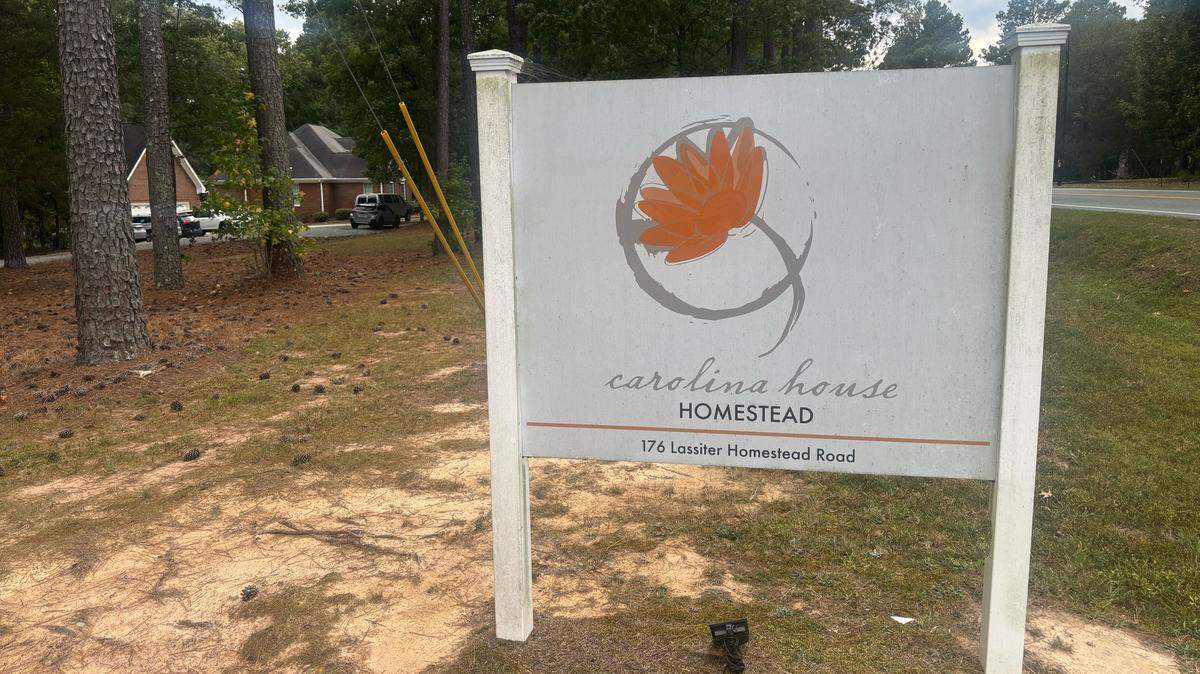
Carolina House opened in 2006 to treat patients battling eating disorders like anorexia, bulimia and binge eating, growing from six beds to a trio of sites in a secluded part of South Durham. Its layoffs, effective early November, include registered nurses, therapists, nutritionists, office staff and yoga instructors. The company’s human resources manager Brittney Bailey called the move an “extremely difficult decision” in a WARN Notice sent to the N.C. Department of Commerce on Sept. 10.
Businesses must provide WARN reports at least 60 days prior to certain job cuts. The state then deploys a rapid response team to help workers transition to new opportunities.
Bailey did not give an explanation for the closure, but the move comes as Carolina House’s parent company faces both financial and legal uncertainties. Carolina House was initially operated by CRC Health Group, a major behavioral health care provider that was acquired by Acadia Healthcare in 2015.
Acadia is one of the country’s biggest mental health providers. It entered this year operating 376 beds across 13 facilities in North Carolina and recently partnered with ECU Health to open a 144-bed behavioral health hospital in Greenville. The company had flourished during the COVID-19 pandemic as demand for mental health services increased.
However, Acadia’s stock price has fallen 73% over the past 12 months, a descent that began when the company disclosed that multiple federal agencies had launched criminal investigations into its admissions and billing practices. Last year, The New York Times reported Acadia had systematically held patients at multiple facilities when it was not medically needed and billed insurers.
Acadia denies this practice. “To be clear: we patently reject claims that Acadia places profits over patients — including inferences that we systematically hold patients longer than is medically necessary for financial reasons,” the company states on its website.
But another threat to the company is on the horizon: Acadia received more than half its revenue last year from Medicaid, a government insurance program that serves low-income families. During an earnings call in August, company CEO Christopher Hunter said Acadia could see revenue losses due to the One Big Beautiful Bill Act, which President Donald Trump signed this summer.
“With the amount of uncertainty created by the recently passed Big Beautiful Bill, we’re going to absolutely take a harder look and are taking a harder look at capital spending in our pipeline of projects,” Hunter told investors.
In a statement provided to The News & Observer, an Acadia spokesperson said the choice to shut Carolina House “followed a careful and comprehensive review of the current landscape for the programs and services offered by the facility.” Under Acadia ownership, Carolina House had opened a residential facility in 2017 to treat general adult mental health disorders in addition to its two homes focused on eating disorders.
Acadia said Carolina House will work with patients and their families to transition their care to other facilities before the Durham sites close on Oct. 9.
Approximately 9% of the U.S. population will develop an eating disorder during their lifetimes, according to the National Association of Anorexia Nervosa and Associated Disorders.
This story was originally published September 17, 2025 at 10:12 AM.