Need a knee? RTP startup looks to take 3D-printed joint transplants mainstream
The tour began with a hairy leg prised open along the shinbone. A woman steadied this limb on a surgical table as a man repeatedly clanked a medical mallet near its foot. Neither were doctors; they were a sales manager and sales rep trainee inserting a titanium tibial transplant into a donated severed cadaver.
“In orthopedics, it’s like construction,” Ken Gall, chief commercial officer and cofounder of restor3D, said over the banging.
Gall’s company sells customized ankle, knee, hip and shoulder joints forged by 3D printer lasers inside Research Triangle Park. Spun out of a Duke University lab eight years ago, restor3D today has several hundred employees between its Boston office and Morrisville headquarters and an annual revenue approaching $90 million. Its printed joints, Gall told The News & Observer during a recent visit to restor3D’s local site, have touched more than 150 bones and been used by more than 650 surgeons.
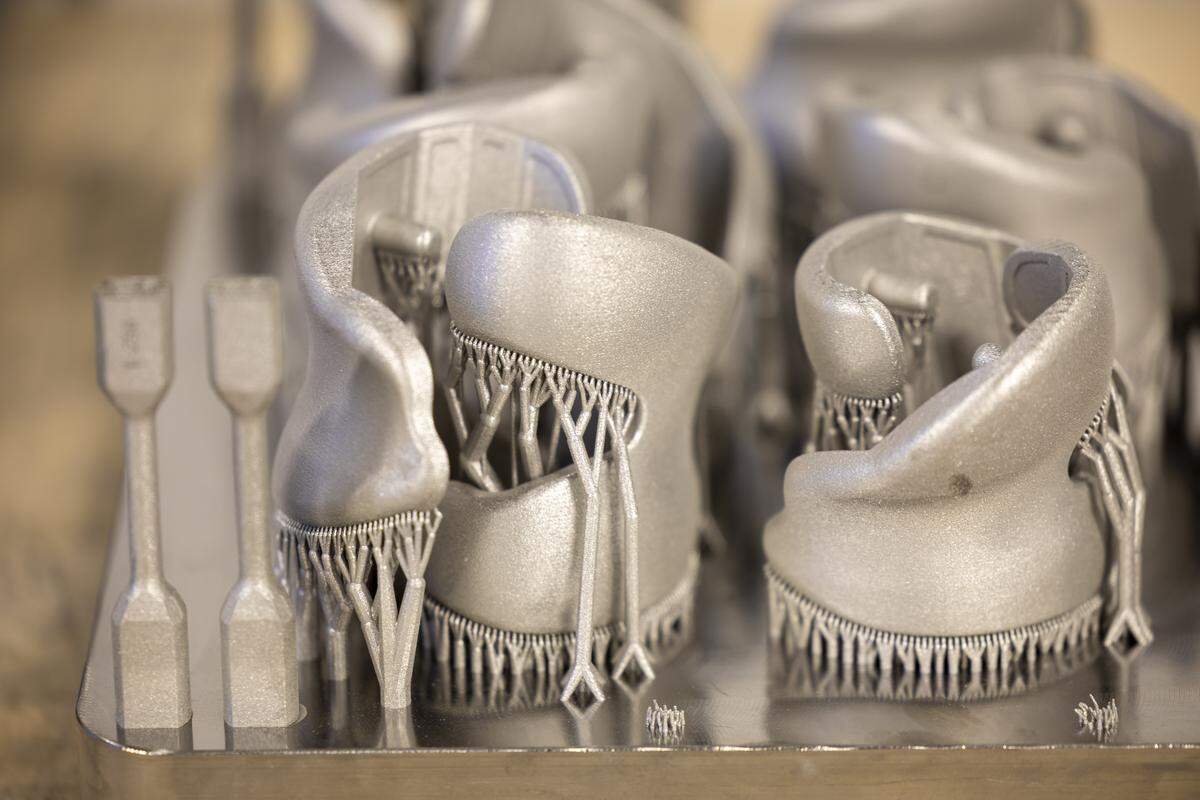
After exiting the testing room with the leg, Gall showed off a finished titanium piece capable of supporting a full ton once a bone grows around its porous frame. “You can’t make this with normal manufacturing,” he said.
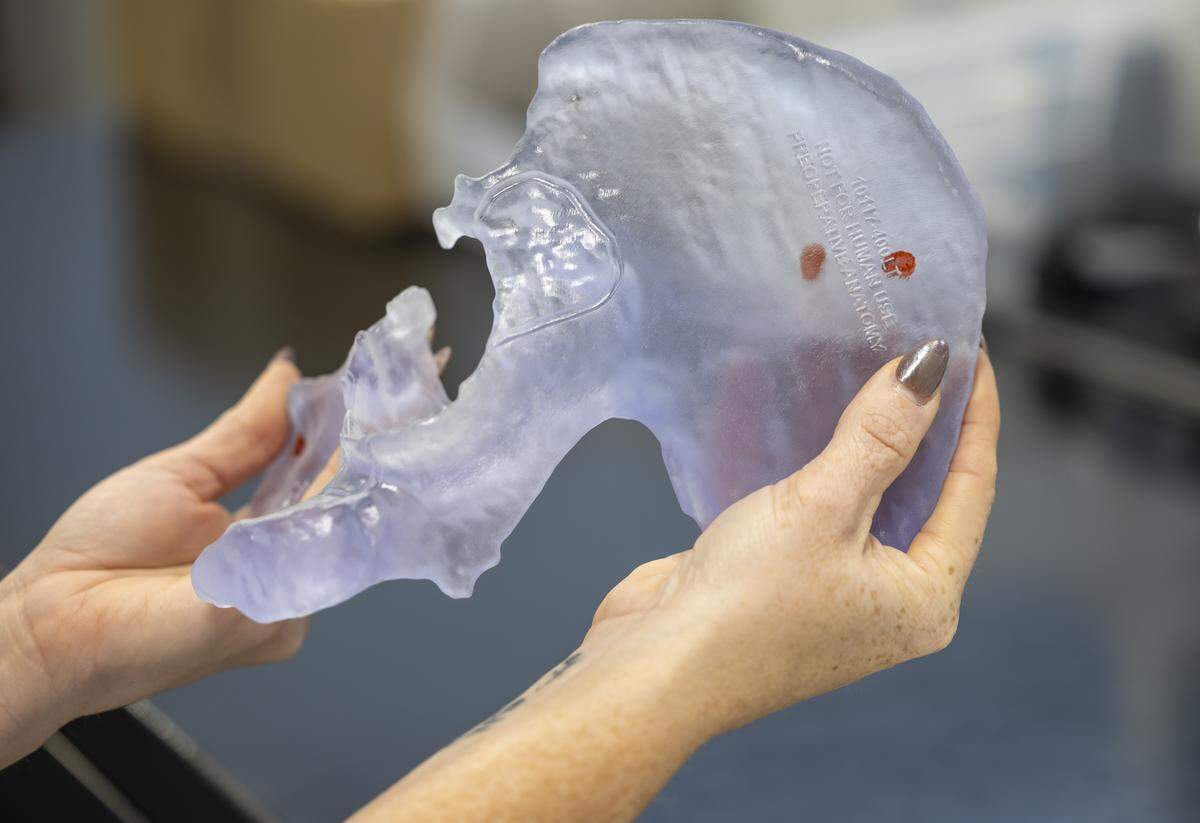
As a nascent startup, restor3d first focused on high-risk operations where patients were desperate enough to chance new technology. “I do remember the surgery went exceptionally well,” said Dr. Samuel Adams, a Duke Health foot and ankle surgeon who in 2018 performed the first restor3D implant operation. 3D printers, Adams said, can better tailor joints to individuals compared to “off-the-shelf” implants that come in set sizes. One benefit to bespoke joints is comfort, but they may offer more in severe cases.
“It allows me to basically help patients in a way that I never could in the past,” Adams said. “It allows me to do surgeries to save people’s legs.”
Restor3D grew despite the COVID-19 pandemic. The extreme surgeries it serviced proceeded amid broader procedural cancellations, and the supply chain bottlenecks that hamstrung other medical suppliers weren’t as big of an issue for a business that printed its own implants.
After raising $70 million in Series A funding last year, restor3D secured $104 million from investors this summer, with the Swiss private investment firm Partners Group supplying more than half the new capital. With this money, restor3d aims to make its specialized transplants more mainstream.
Americans each year replace 10,000 total ankles and hundreds of thousands of hips, shoulders and knees. As the nation’s population ages, the domestic market is expected to expand. “Hospitals generally don’t want to pay tons for implants,” Gall said. “So, our idea is to give you a better implant at the same price.”
Restor3d’s manufacturing process begins with titanium and cobalt chrome powders. Engineers upload designs onto computers that dictate the 3D printers’ movements. While planning a single implant may take weeks, or maybe months, the actual printing can be done overnight.
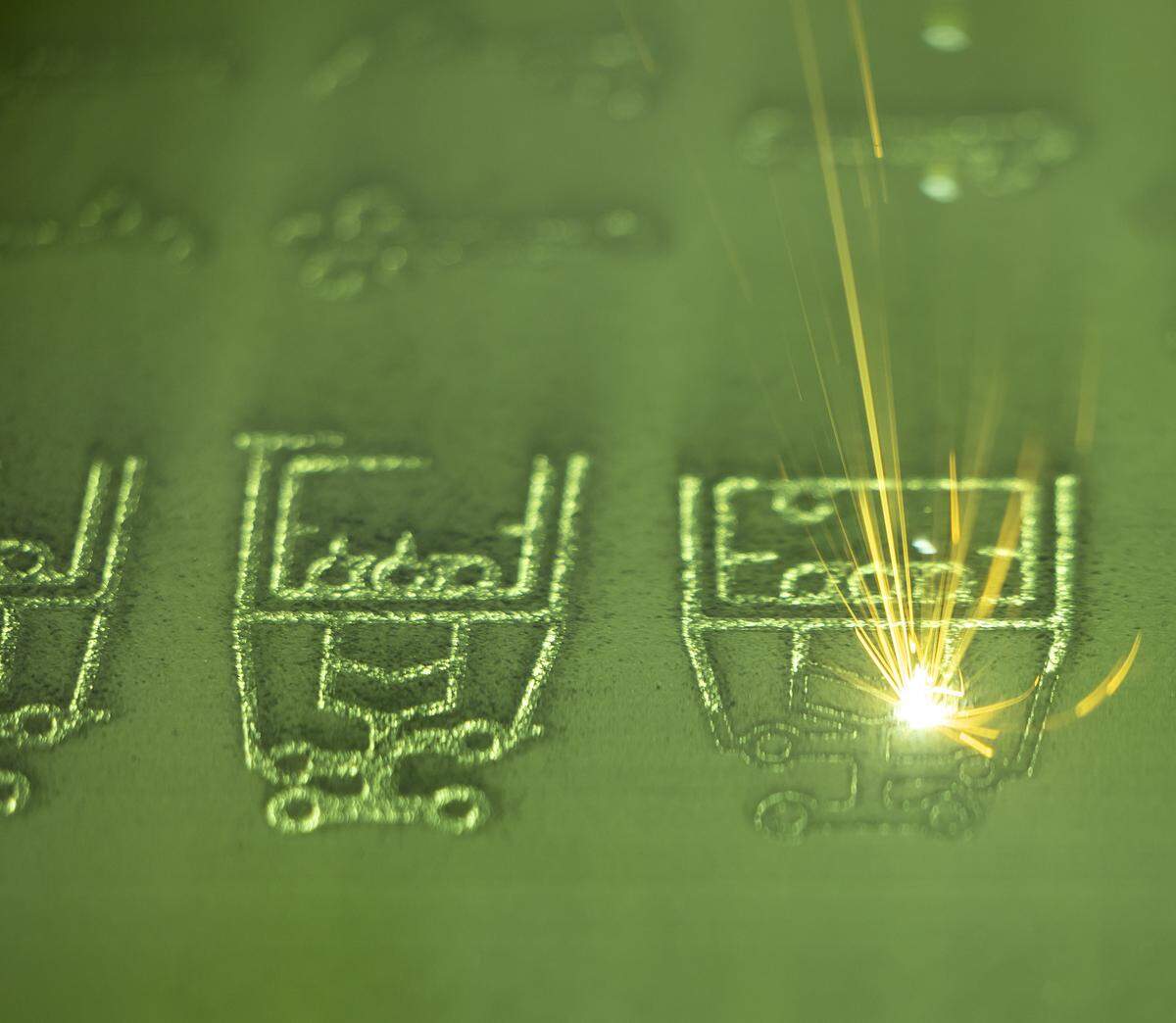
Lasers etch intricate patterns into the metals, sending small sparks dancing across the surface as the implant forms layer by layer below. The heat is intense; cobalt, which enables final joint movement, melts at 2,723 degrees Fahrenheit. Titanium, which helps bind the implant to surrounding bone, melts at 3,135 degrees Fahrenheit. A roller then wipes on more powder for the lasers to strike again.
The printers run 24/7 and are at least five times faster than the one Gall, a mechanical engineering and materials science professor, originally licensed from Duke in the late 2010s. Finished joints may be narrow or curved and appear as elegant as sculpture artwork or as functional as car parts.
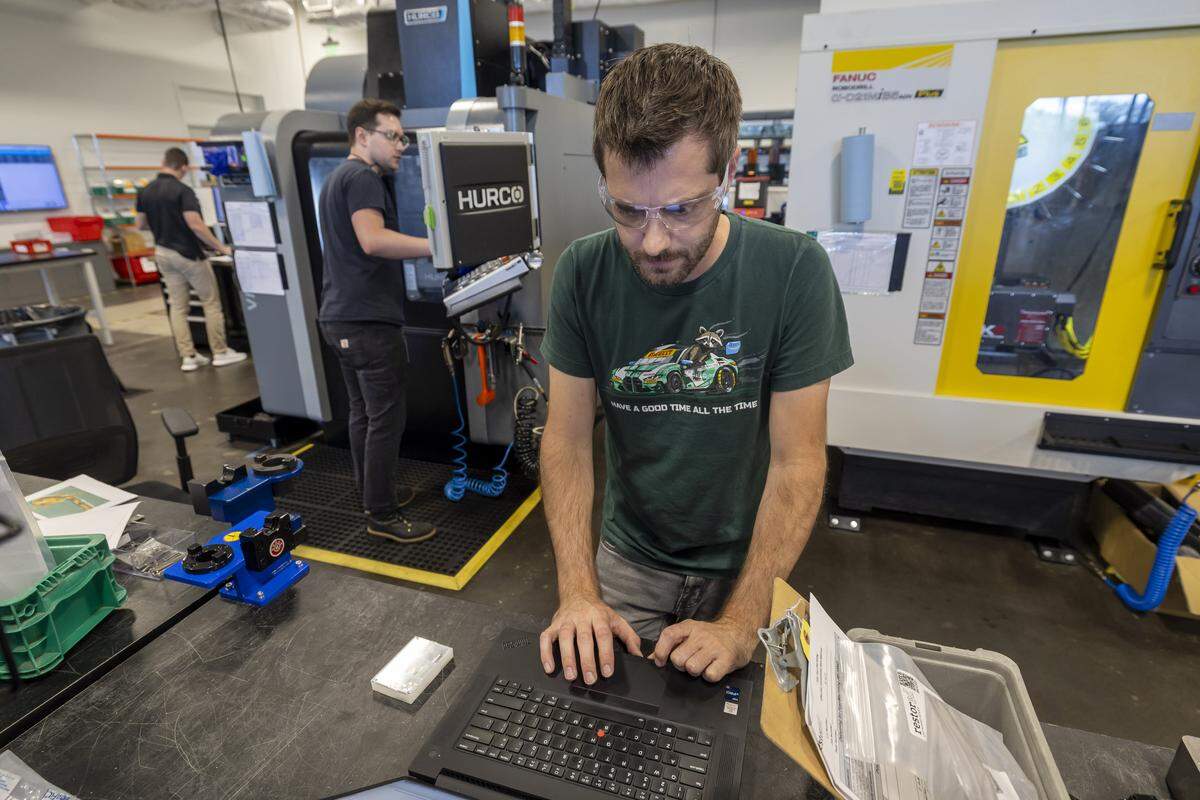
Once the printing is complete, the components are strengthened, finished and sterilized. Restor3d later adds a third material, a plastic called polyethylene, to give implants a smoother surface upon which to function.
To broaden its customer base beyond the niche cases that demand fully customized implants, restor3D has since 2021 acquired three off-the-shelf joint manufacturers, one that makes ankles, another that makes hips and knees, and a third that makes shoulders. This has allowed the Morrisville startup to provide hybrid implants that are part standardized and part printed, Gall said.
“Everyone’s anatomy is different,” he added. “It’s no different than like a face. Everyone has a different bone structure.”
This story was originally published October 9, 2025 at 5:30 AM.