Within a few hours, North Carolina raised its automaker bona fides at two sites
I’m Brian Gordon, tech reporter for The News & Observer, and this is Open Source, a weekly newsletter on business, labor and technology in North Carolina.
Wednesday was a big car day for North Carolina. Near the small town of Liberty, Toyota celebrated the launch of its first battery factory outside of Japan. There were neon lights, pump-up music, and (varying degrees of political) speeches from Gov. Josh Stein, Sen. Ted Budd, and U.S. Transportation Secretary Sean Duffy.
Despite what several news outlets reported, Toyota did not just begin making batteries at the site this week; it started assembly lines in January and shipped its first batteries to be put into Corolla Cross SUVs around late spring.
But this plant south of Greensboro is massive, new and worth the pomp and circumstance. Four of its potential 14 production lines are rolling. Around 2,500 people work at the site, and Toyota has committed to doubling its current headcount there by 2034 — all in rural Randolph County.
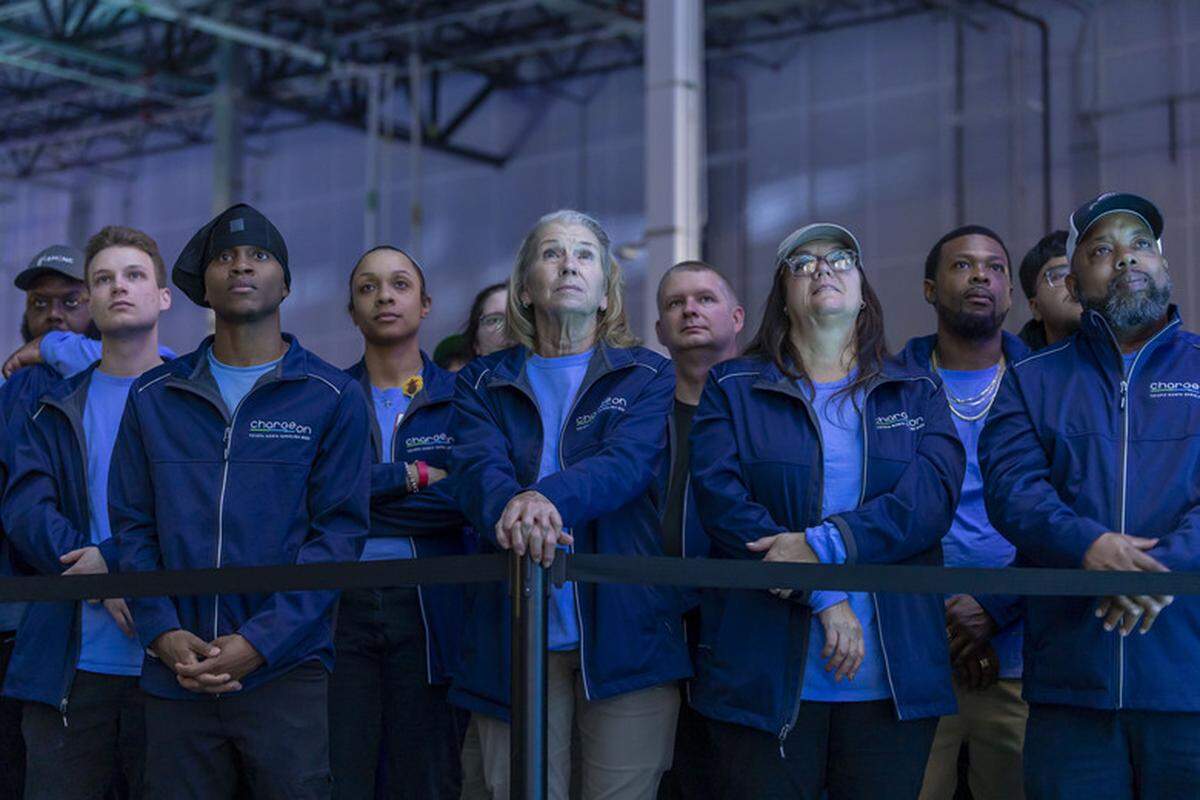
American consumers will dictate how this promised $13.9 billion factory reaches its lofty aims — and which types of batteries North Carolina workers make. Toyota has taken a more cautious approach to electric vehicles, prioritizing hybrids when competitors poured dollars into EV operations earlier in the decade.
Today, that calculation has paid off as electric vehicle demand has fallen short of previous projections and the Trump administration is less friendly to EVs than the Biden White House was.
“We’ll follow market demand,” said Don Stewart, president of Toyota North Carolina. The company’s four operating lines near Liberty currently make hybrid batteries.
North Carolinians then had to wait about three hours for more major automotive news. In the early afternoon, the state approved an incentive package for Volkswagen subsidiary Scout Motors to open its corporate headquarters in Charlotte.
Scout Motors did not exist between 1980 and 2022. Volkswagen is reviving the brand as an electric vehicle and is building a production plant in South Carolina. In Charlotte, Scout Motors promises to eventually hire 1,200 workers at a robust average wage of $172,878 (but what about the median salary?).
North Carolina has backed other major electric vehicle and EV battery projects in recent years, with results decidedly mixed. Most prominent is the promised 7,500-worker VinFast factory in Chatham County that will, might, won’t open soon.
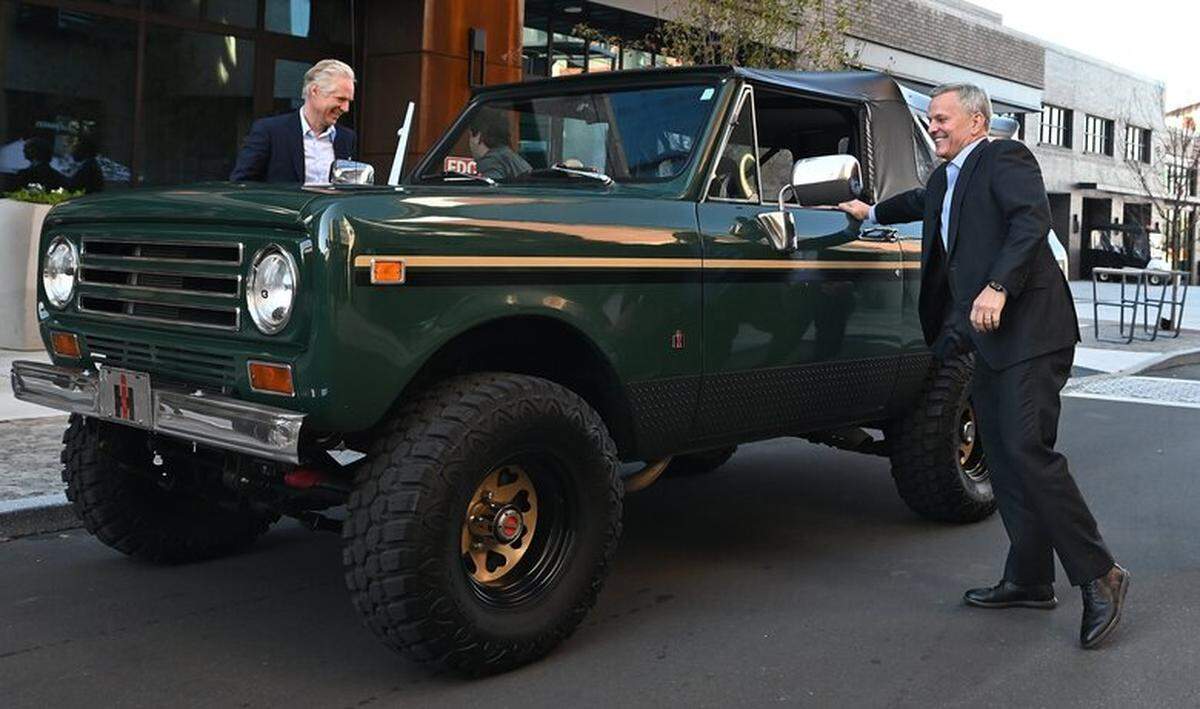
Scout Motors hasn’t made a new car in 45 years; Gov. Josh Stein drove to Wednesday’s headquarters announcement in a green 1977 International Scout. It is a very different venture than Toyota, the world’s best-selling car brand. But the state has shown an appetite for chancier ventures in the past. And the rewards of landing a successful automaker HQ could be worth the shot.
Few places help Americans lose more weight than the NC Triangle
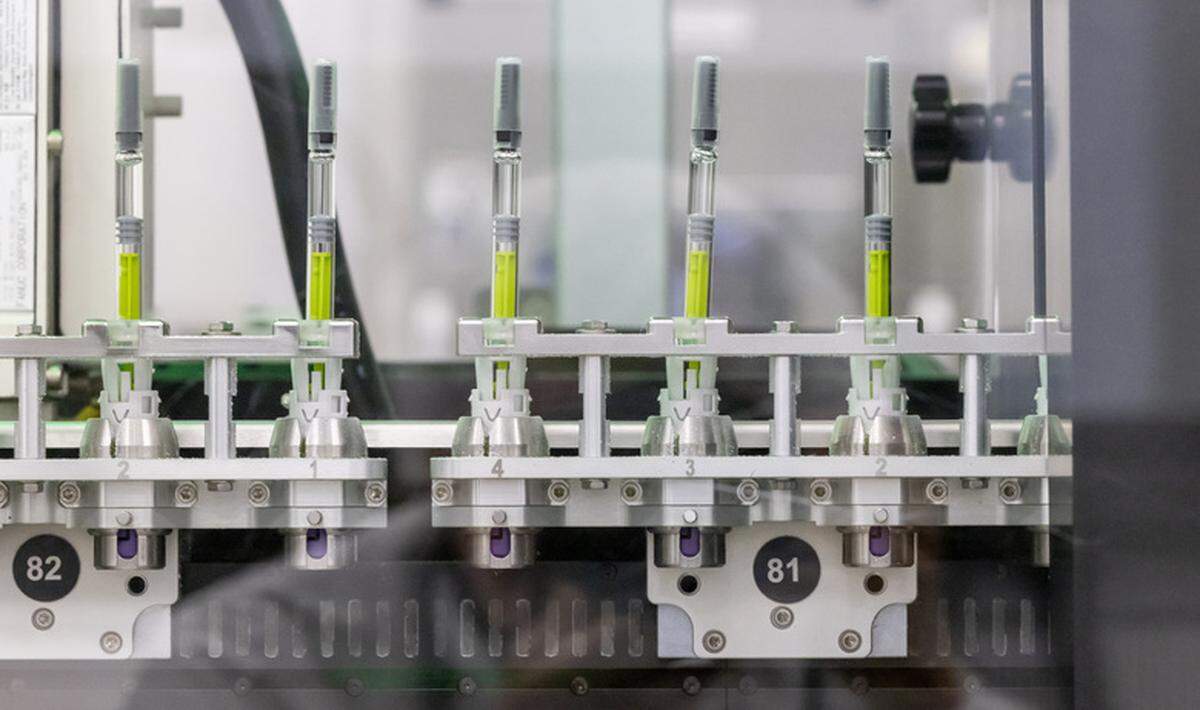
Novo Nordisk produces Ozempic and Wegovy in Johnston County. Eli Lilly makes Mounjaro and Zepbound at mirroring facilities in Research Triangle Park and outside Charlotte.
Whether they were prescribed off label or used as directed, these four medications have helped millions of Americans in recent years shed pounds. The unprecedented growth of GLP-1s for weight loss has fueled North Carolina facilities and affected thousands of North Carolina jobs.
“It is hard to express the scale of what has happened here,” one life sciences investor said. “You compare GLP-1s to the biggest drugs previously, and the rate of adoption is just an order of magnitude different.”
In late July, I toured Eli Lilly’s RTP facility. Then in late October, I visited Novo Nordisk’s expanding campus southeast of Raleigh. At each, I saw how these rival companies make competing obesity drugs, and learned which one is, for now, leading the race.
But oral GLP-1s for weight loss are coming — and the Triangle is positioned to make those too.
Clearing my cache
- Three years since MrBeast and East Carolina University announced an academic partnership, their promised content creator program hasn’t materialized. While ECU hasn’t shared much to the media about this delay, its chancellor gave details during a recent faculty meeting, citing leadership changes within MrBeast’s company. He said the school is now working on MrBeast’s “timeline.” Meanwhile, the world-famous YouTuber and North Carolina-native has opened a theme park in Saudi Arabia.
- Asheville-based solar company Pine Gate Renewables filed for bankruptcy and intends to lay off 223 workers. What role did recent federal policies play in its collapse? In its Chapter 11 filing, Pine Gate wrote “legislative and regulatory challenges have significantly slowed solar power development.”
- Sports apparel maker Momentec Brands has committed to bringing 700 jobs to a warehouse in Kannapolis.
- NCInnovation appointed chief innovation officer Michelle Bolas to be its new acting CEO, following the departure of Bennett Waters. Its board says a permanent leader should be found in three to six months. This CEO search comes as some state lawmakers look to defund the nonprofit that received $500 million to help UNC System researchers commercialize their work.
National Tech Happenings
- The Amazons and Microsofts of the world won’t go broke spending on data centers, but a class of smaller companies have been taking on substantial debt to fund data centers for the tech giants.
- Delaware is losing tech headquarters to Texas. Coinbase, the digital currency platform, is the latest to leave the First State for the Lone Star State due to perceived more-business-friendly legal rules. Many North Carolina companies still incorporate in Delaware.
- The Trump administration has proposed a 50-year home mortgage. What to know about the difference.
- Waymo will begin driving on freeways. The leading robotaxi company had a “very preliminary” conversation with the city of Raleigh about two years ago.
Thanks for reading!
This story was originally published November 14, 2025 at 7:30 AM.