RTP’s AskBio wants to make $4 billion price tag look like a bargain
AI-generated summary reviewed by our newsroom.
- AskBio built an AAV gene-delivery platform and attracted investor frenzy in 2020
- FDA approved first AAV therapy in 2017, validating platform potential for common diseases
- COVID-19 market surge and $235M 2019 raise set stage for billion-dollar valuation
October 2020 was a great moment for health care startups looking to raise money or exit.
Record-low interest rates and bullish enthusiasm for medical breakthroughs fueled frothy valuations during the pandemic’s first year. One sector with particular momentum was gene therapy, the delivery of treatments that add to, turn off, or edit faulty genes.
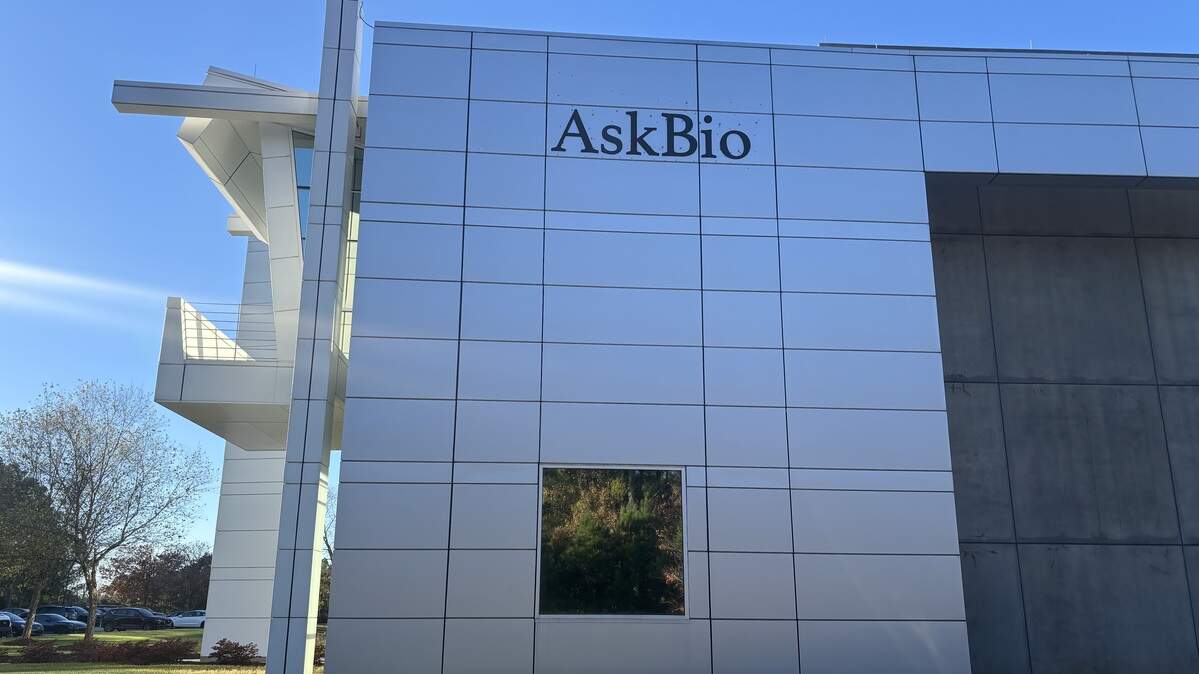
And one gene therapy company to benefit from having the right technology at the right time was Research Triangle Park’s Asklepios BioPharmaceutical, better known as AskBio.
Founded in 2001, AskBio didn’t offer a single drug but instead a delivery platform through the adeno-associated virus, or AAV, that could ferry new DNA to replace defective, disease-causing genes. Viewed as a “contaminant” when it was discovered in the 1960s, AAV is non-pathogenic (meaning it doesn’t cause disease) and replication-defective (meaning it won’t multiply on its own).
Triangle researchers saw the promise of a new life science company that could essentially rewind diseases. They then waited nearly two decades for investors to agree.
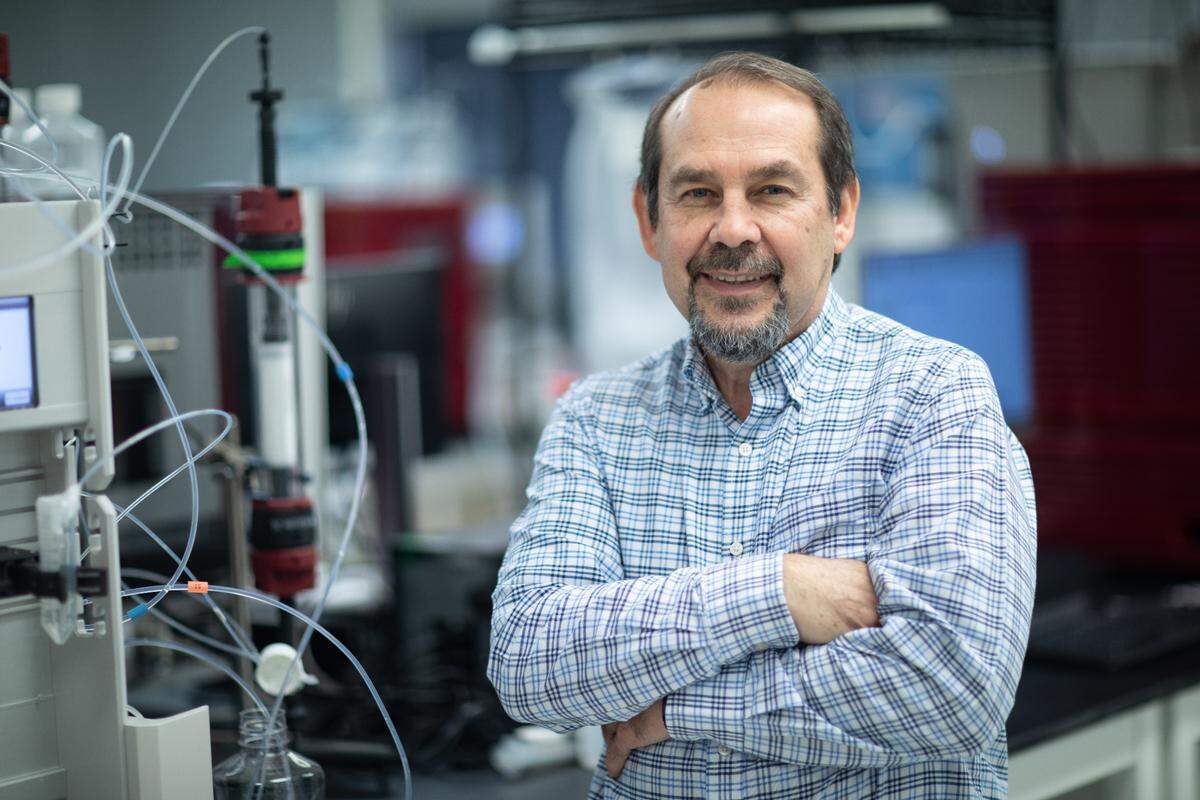
“If you can make billions of dollars on one drug, then here’s a platform that lets you do limitless (drug) indications,” AskBio cofounder Jude Samulski, a UNC professor who helped clone the first adeno-associated virus in the 1980s, said in a phone interview in October. “It’s going to be a snow machine. It’s going to make snow over and over.”
The U.S. Food and Drug Administration approved its first AAV-based treatment in 2017. Two years later, AskBio raised $235 million as people saw the potential in a platform that could reverse not only rare genetic disorders but also more common ones like Parkinson’s disease and congestive heart failure. Then COVID-19 arrived and turbocharged health care deals.
AskBio was headed toward an initial public offering, its cofounder Shelia Mikhail said, before “big pharma” started calling. With the assurance it would keep AskBio in North Carolina, the German pharmaceutical giant Bayer bought the company in the fall of 2020 for a sale worth up to $4 billion. It is still the priciest biotech startup purchase in state history.
As COVID-19 receded, so too did life sciences funding. Many look back on 2020 and 2021 as times of irrational sector hype. Health care companies that went public in that period have seen their stock prices tumble. Gene therapy experienced a bubble, too.
“The entire field gets tremendously overinvested to the tune of billions of dollars going into these programs,” said Carl Schoellhammer, a partner at the personalized medicine consulting firm DeciBio. “Programs that wouldn’t be market viable if they got approved.”
Where has this left AskBio, and its potential $4 billion price tag?
On track for full payout
Five years under Bayer, AskBio has grown its headcount and kept its verbal promise to stay headquartered in North Carolina. The company went from almost 300 employees worldwide at the end of 2020 to nearly 900 today, with around a third of its workforce in North Carolina.
Bayer vowed to keep “arms-length” oversight of its purchase, a latitude executives say remains. The subsidiary speaks with its parent company at four board of director meetings a year, AskBio CEO Gustavo Pesquin said, and Bayer has leveraged its geography and size to AskBio’s benefit.
“They have been supporting our efforts very much in the expansion to Europe, and this has been an enormous competitive advantage for us compared to what would have been our lives as a fully independent company,” Pesquin said during a video call with The News & Observer in November.
Pesquin took over as CEO in March 2023, replacing Mikhail after she was diagnosed with breast cancer. Mikhail, a life sciences attorney, said life under Bayer had its strengths and drawbacks. The German corporation, she said, advanced projects more slowly but offered stability to employees and a massive distribution network. Founded in 1863, Bayer has a market capitalization of roughly $45 billion and owns brands like Aleve, Claratin and the herbicide Roundup.
“I’m very happy that they kept (AskBio) operations for the most part in North Carolina,” Mikhail, whose health has improved, said in a phone interview last fall. “Unfortunately, the CEO is not based in North Carolina. I wish the CEO was based in North Carolina. But the operations for the most part are still intact.”
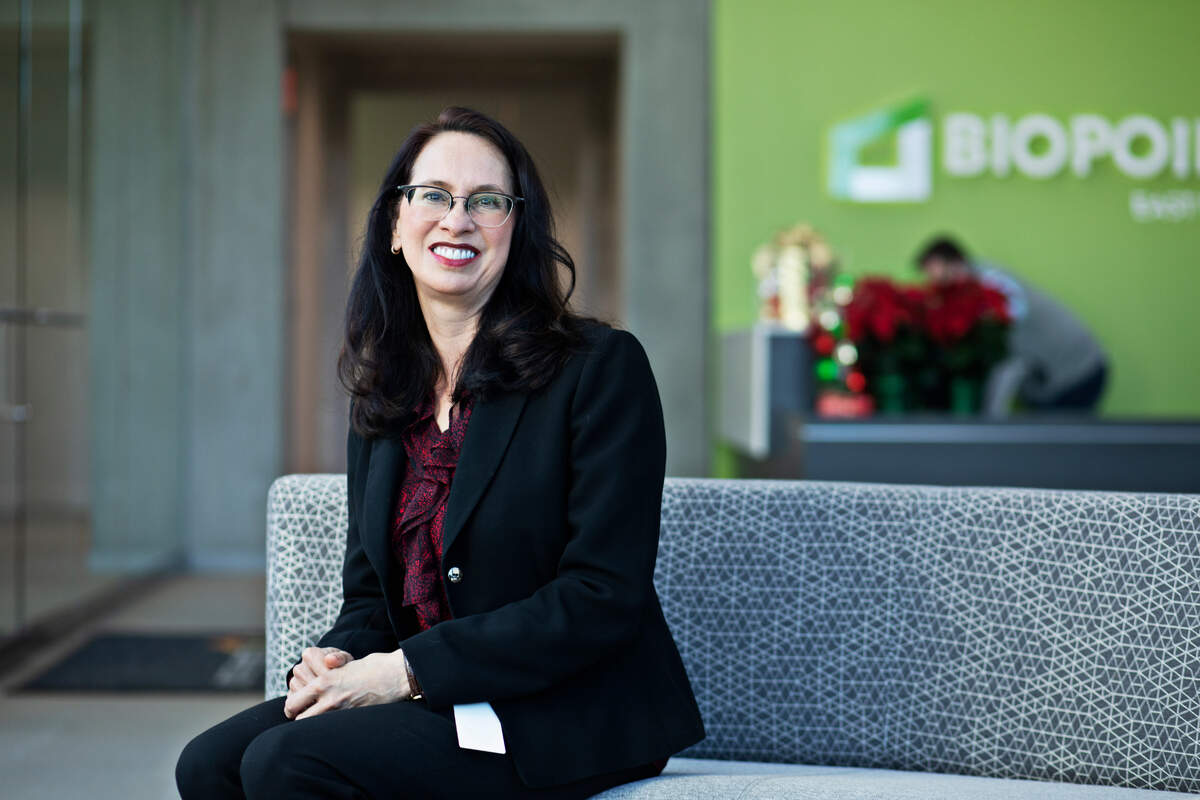
The 2020 acquisition involved a $2 billion upfront payment, with a second $2 billion reliant on AskBio advancing programs in clinical trials, getting approvals, and continuing manufacturing through AskBio’s Spain-based subsidiary Viralgen. “We have the potential to realize the whole $4 billion,” Mikhail said during a phone call in October. “We’ve been moving on the milestones extremely well.”
Last January, AskBio randomized the first U.S. patients in its Phase 2 trial to treat Parkinson’s disease, which is believed to impact more than 1 million Americans. The next month, this treatment received the FDA Regenerative Medicine Advanced Therapy designation, which can accelerate its development. The government reserves RMAT designations for promising treatments “intended to treat, modify, reverse or cure a serious or life-threatening disease or condition.”
AskBio also continues to pursue rare genetic disorder treatments; on Thursday, the FDA approved the company’s application to bring its treatment for Pompe disease, which affects 5,000 to 10,000 people worldwide, into Phase 1 trials.
AAV’s market correction
While other gene therapy modalities have lost steam since 2020, Schoellhammer said the AAV vector system has continued to garner interest. “It just kind of works,” he said.
“AAV-based gene therapies have largely gone through needed market correction from prior pandemic highs,” he wrote in a market analysis in October, adding “the pipeline of development candidates is strong with potential near-term approvals.”
Financial limitations endure, Schoellhammer noted, as companies have cut AAV efforts that weren’t poised to see enough demand. He also said the medical process is delicate, with the human body capable of recognizing the therapy as a “foreign invader” it needs to attack.
But AAV investments are rising. Novartis and Eli Lilly are among the pharmaceutical giants invested in the therapy’s future, with the former in November announcing a $700 million investment across three Triangle sites. To encourage this expansion, the N.C. Department of Commerce awarded Novartis’ gene therapy division a $7.6 million incentive grant to create 380 positions between Durham and Wake counties.
“AskBio and its pioneering CEO Jude Samulski had been developing its AAV gene therapy for many years before Bayer came calling, so the biotech ecosystem here was not totally surprised that a company with some foresight would snap it up,” wrote North Caroina Biotechnology Center CEO Doug Edgeton in an email. “Since Dr. Samulski was recruited to RTP — and NCBiotech had a hand in that effort — other gene therapy companies have established themselves in the area and the industry has remained quite active.”
This story was originally published January 12, 2026 at 6:30 AM.