Q&A with RaleighForward’s Eric Braun on housing reforms and more
AI-generated summary reviewed by our newsroom.
- RaleighForward, founded by Eric Braun, addresses housing affordability and growth.
- Braun backs missing-middle zoning, upzones transit corridors and underused sites.
- Raleigh may adopt steady-state bonds and face staggered 4-year council terms.
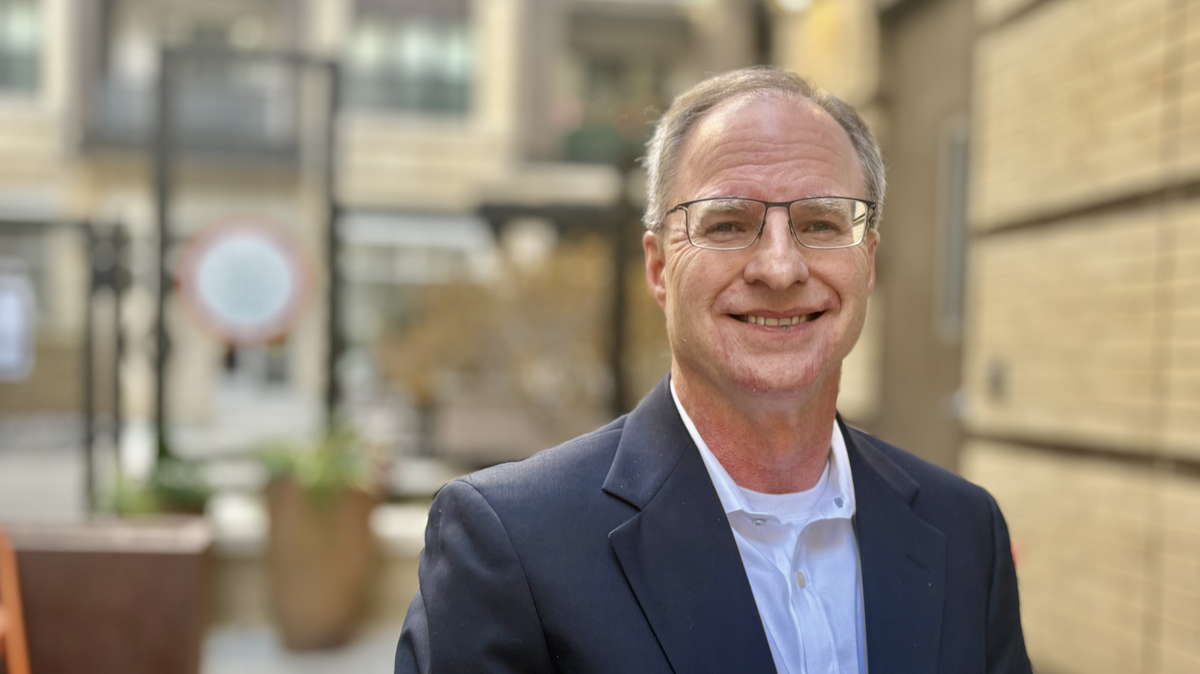
In 2021, Eric Braun, a retired land-use attorney, launched RaleighForward as a civic initiative to address housing affordability, equity and sustainable growth.
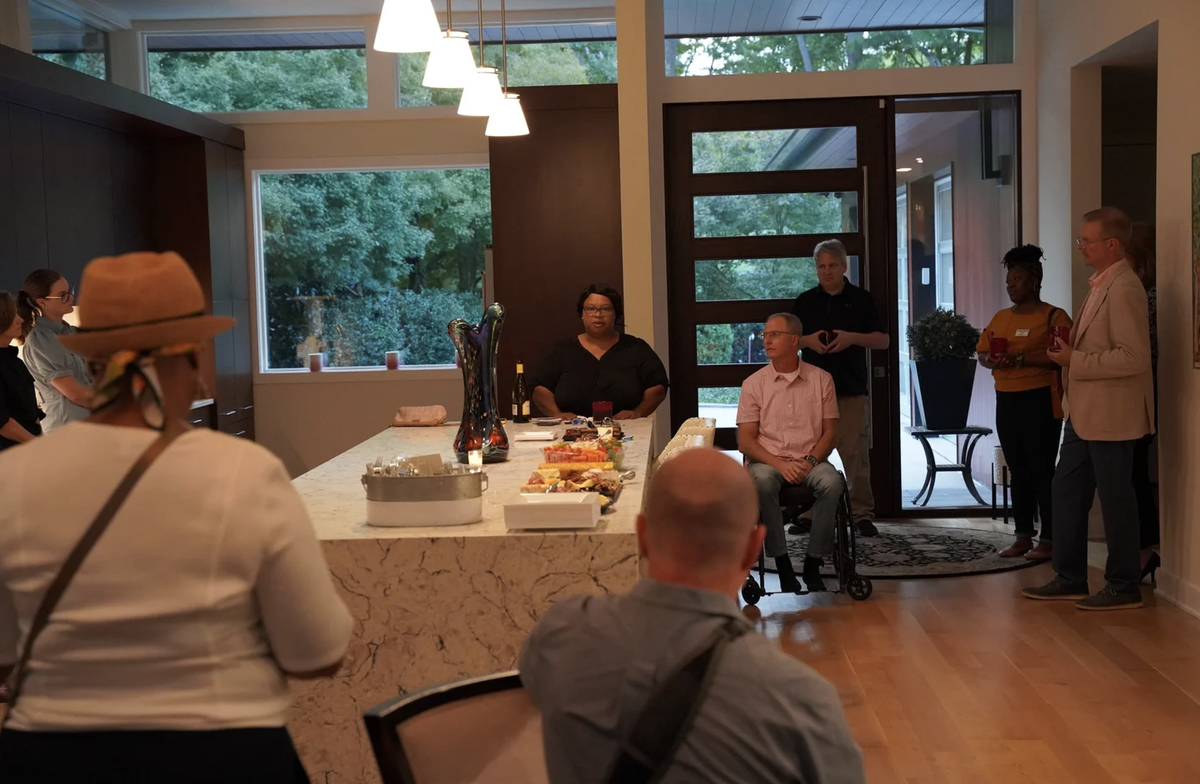
Today, the group hosts forums, happy hours and candidate meetups — including in Braun’s own home — to connect residents with policymakers. It also partners with organizations like WakeUp Wake County and CityBuilder to amplify citizen voices in shaping Raleigh’s development policies and future.
Braun served six years on the Raleigh Planning Commission, including as chair, and is currently the vice-chair of the Raleigh Housing Authority.
He’s also a vocal supporter of “missing middle” housing policies, which allow for more diverse housing types — like duplexes, townhouses and accessory dwelling units — in single-family neighborhoods.
The News & Observer recently sat down with him to discuss his mission. Here’s what he had to say.
This interview has been lightly edited for length and clarity.
Tell me why you started RaleighForward, and what’s behind its mission.
Heading into the 2019 election for Raleigh City Council, I put together a group of civic leaders to work on supporting potential candidates who would be prepared to address Raleigh’s growing pains and deferred maintenance issues.
We succeeded in identifying and supporting qualified candidates, most of whom were elected.
As the 2021 election approached, the goal was to ensure those candidates were re-elected.
Unfortunately, the same energy was harder to generate. There was more energy from people interested in defending the status quo who were now seeking to unseat many of the incumbents.
As a result, I formed RaleighForward to counter the false narrative that Raleigh was experiencing uncontrolled growth, and its elected leaders were ignoring resident concerns.
RaleighForward is meant to be a community convenor and a clearinghouse for accurate information and timely news about how Raleigh is growing, and what is being done to ensure that anyone that works in the city can also choose to live here.
Looking ahead to 2026, what’s on your radar and why?
There are a couple of items.
First, I’m looking to see if the General Assembly will take up significant housing reform legislation, including Senate Bill 492 (“Single Stair Building Code Reform) and Senate Bill 497 (“Expand Middle Housing).
The first would legalize single-stair construction to make more “missing middle” buildings with four to 16 units located in small-scale condos and apartment buildings financially feasible.
The second would mandate that all municipalities allow “missing middle” housing in every residential zoning district.
These reforms, if packaged together, would eliminate exclusionary zoning practices and be a real game changer for housing supply and affordability.
Second, Raleigh is exploring a new “steady state” bond strategy, like the approach supported by RaleighForward, making bond financing more predictable.
Previously, Raleigh sought voter approval for housing, transportation, or park bonds every five to 10 years, often linked to tax increases and timed around Wake County bond packages. This approach makes it difficult for staff to plan how to deploy bond revenue because decisions are often based more on political considerations than sound planning considerations.
The new steady state strategy, which Charlotte uses, establishes a more predictable schedule by asking voters to approve similarly sized bond financing packages every four years without a corresponding tax increase. Raleigh has determined it can support approximately $200 million bond packages every four years without a tax increase. With the added predictability, city staff can deploy bond proceeds and complete projects more efficiently. Since there is no associated tax increase using this strategy, voters are less likely to reject bond packages using this strategy.
The last item on my radar is the upcoming City Council elections. (A nonpartisan primary will take place on March 3, 2026, and the general election in November 2026.)
This is the first time in over 50 years that Raleigh is changing how councilors are elected. Instead of each councilor running for office every two years, Raleigh is transitioning to 4-year staggered terms where half of council will be running for 4-year terms in 2026 and the other half of will then run for 4-years terms in 2028.
Thereafter, council elections will be held every two years, but with only half running each election cycle. This should create a bit more continuity between elections and eliminate the risk of an entirely new council being elected in any given cycle. It will also give newly elected councilors more time to learn the position and make more informed decisions between each election.
If you could change one thing about the city’s current housing strategy, what would it be?
I would like to see the city more aggressively upzone property along proposed high frequency transit lines, particularly bus rapid transit routes, combined with strategic upzoning of underutilized strip shopping centers, parking lots, car dealerships and areas near greenway corridors.
If the city upzones these properties prior to significant public infrastructure investments and increased property values, existing and new housing is more likely to remain affordable. Once values increase and developers start ad hoc rezonings, housing affordability becomes much harder to address.
With the city in the process of developing its next comprehensive plan, I hope council will use the opportunity to identify opportunities for this kind of strategic upzoning.
What real estate project are you most excited about?
The council still has not yet approved Kane Realty’s rezoning request for North Hills, which would allow taller buildings up to 40 stories. The proposal is scheduled for its first public hearing on Jan. 6, 2026.
If it gets approved, it will likely complete development of the North Hills area west of Six Forks Road. With excellent access to I-440, a strong street network, and planned high-frequency transit, North Hills exemplifies how leveraging public infrastructure for integrated, mixed-use development can benefit the city.
The per-square-foot assessed values in North Hills rival downtown and are the highest in Raleigh. This concentrated mix of housing, offices, restaurants and retail also generates significant sales tax revenue, which compounds the positive fiscal impact of places like North Hills help enhance the city’s financial health.