It was Duke Energy vs. everybody at this week’s NC rate hike hearing
AI-generated summary reviewed by our newsroom.
- Duke Energy proposed an 18% residential rate increase in late 2025 before lowering it.
- After public protests, Duke cut its residential ask to 11.6% and overall to 9.3%.
- Duke reduced its requested return on equity from 10.95% to 10.48% during the case.
I’m Brian Gordon, tech reporter for The News & Observer, and this is Open Source, a weekly newsletter on business, labor and technology in North Carolina.
“It’s funny,” a member of the North Carolina Utilities Commission’s Public Staff told a Duke Energy executive on Tuesday during a cross-examination. “Nowhere in there did I hear an answer to my question.”
It was the first day of Duke Energy Carolinas’ rate case hearing, and while many exchanges this week in Raleigh weren’t so adversarial, several got close. Questions came from the Public Staff, a ratepayers’ advocate, as well as lawyers for Walmart, the N.C. Justice Center, the Environmental Defense Fund and the Carolina Industrial Group for Fair Utility Rates. Attorneys for Google, Harris Teeter, Microsoft, and Amazon were in the room, too.
Together, their comments, objections, rebuttals, exhibits, projections, debates and filings will dictate how much we all pay for electricity starting Jan. 1.
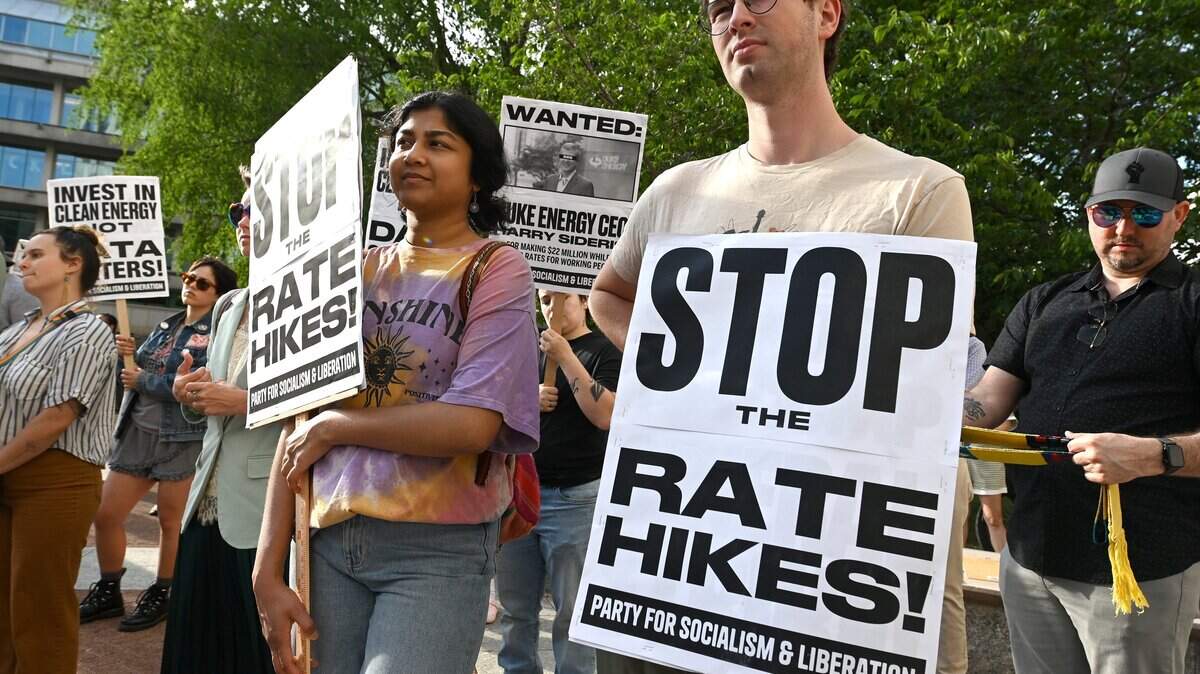
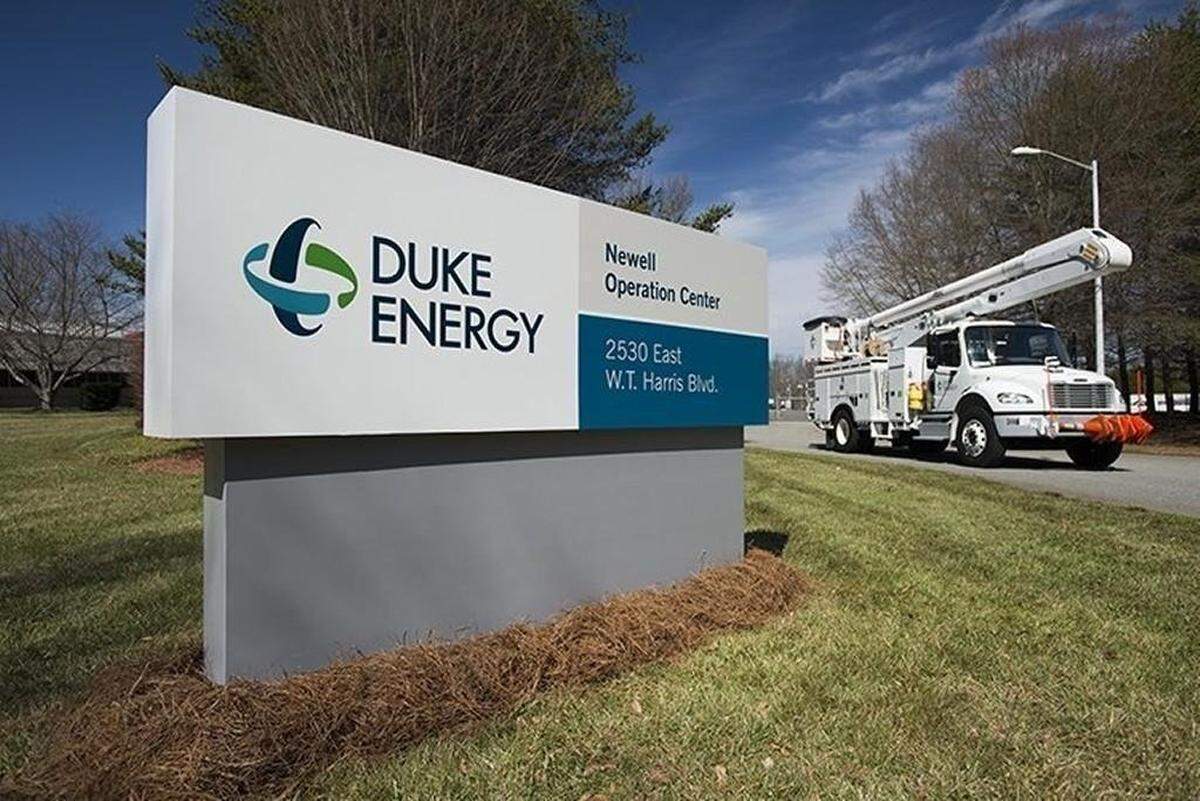
In late 2025, Duke, the state’s largest electric utility, proposed increasing North Carolina residential customer rates by 18% and its overall rates by 14.3% over the next two years. Following months of public protests, Duke Energy in June lowered these requests to 11.6% for residential and 9.3% overall. The Charlotte-based company initially asked for a return on equity of 10.95% — among the country’s highest ROEs, a general metric for profitability — but has recently dropped that ask to 10.48%.
“We believe that is kind of the low end of what we can absorb and maintain the long-term financial health of the utility,” Thomas Heath, Duke Energy’s corporate finance director, said Wednesday.
Heath acknowledged his company could decrease its ROE target more but that doing so presented greater future customer expenses as the utility risked credit agency downgrades and less access to capital. Duke argued its reliability can’t be hamstrung at a moment when North Carolina is growing and drawing interest from data centers — while still remaining exposed to destructive storms and overall inflation.
Not everyone sounded convinced. As attorneys for the intervening parties pointed out, Duke’s current ROE request in North Carolina is still above what its subsidiaries recently got in a South Carolina rate case. In a lengthy exchange Tuesday, a member of the Public Staff grilled Duke executives on a performance incentive the company sought if it continued to answer service calls within a time frame the company was already meeting. And if grid improvements will disproportionately benefit data centers, why should residential customers bear more costs?
Then there are shareholder dividends. “Has there been discussions about taking dividend rather than take it from ratepayers?” Commissioner Tommy Tucker asked on the opening day. Duke said it would communicate that idea to its board. On another day, the company expressed that dropping dividends would mean it could lose important equity investors.
Ultimately, Tucker and his four fellow commissioners will decide the case. If history is precedent, they’ll land somewhere short of Duke’s full request. In 2024, the General Assembly took away the governor’s power to appoint the majority of the utilities commission. Today, the commission is made up of two appointees of the Democratic governor, one each from the state House and Senate, controlled by Republicans, and a fifth appointed by the state treasurer, a Republican.
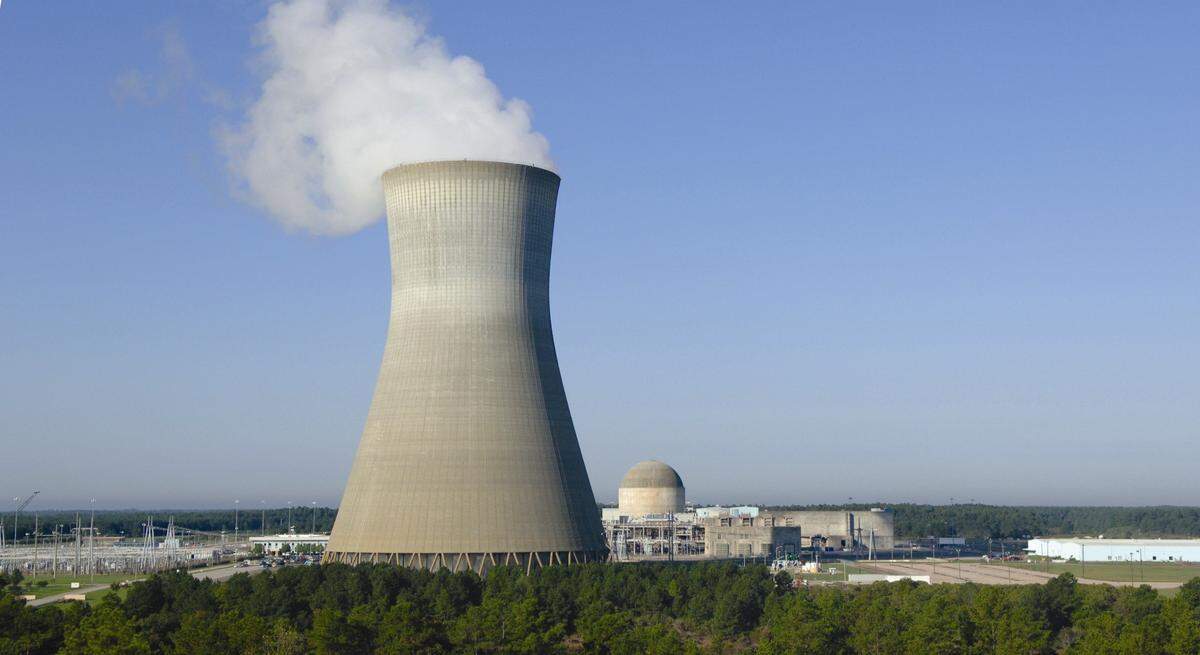
This ongoing hearing is round one of two. Next month, Duke Energy Progress (which serves the Triangle and the eastern Carolinas) is scheduled to begin its own rate case. Then, in two years, Duke Energy Progress and Duke Energy Carolinas expect to be a merged entity when they answer questions from commissioners and opposing attorneys in a new rate case.
Clearing my cache
- In its new budget, North Carolina became the third state to tax prediction market operators like Kalshi. Companies will pay a 6% charge on their net trading fee revenue. Democratic Sen. Julie Mayfield wrote this constitutes “a sweetheart deal.” The state also increased the tax on traditional gambling platforms, from 18% to 23%, while allowing bettors to deduct their losses.
- Silver medal for NC. The Tar Heel State fell back to No. 2 on CNBC’s much-watched annual “best state for business” rankings. Ohio took the top spot. Only nine points across 138 metrics separated the two states, North Carolina’s top business recruiter wrote on LinkedIn.
- Speaking of that top business recruiter: I recently interviewed Christopher Chung of the Economic Development Partnership of North Carolina about how federal shifts, intensifying incentives, and foreign tourism dips shape local jobs announcements.
- Durham chipmaker Wolfspeed has sued another publicly traded semiconductor company, Navitas, for allegedly infringing on several of its patents. In a response, Navitas disputed the allegations and said it will defend itself in court.
- Research Triangle Foundation CEO Scott Levitan is retiring after nine years, with Jonathan Pruitt set to leave The University of Texas System to replace Levitan and lead RTP’s managing body.
- One thing the state budget didn’t touch is NCInnovation, a nonprofit designed to help UNC System researchers commercialize their work. Some conservatives, including Donald Bryson of the John Locke Foundation, have urged the state to claw back all of NCInnovation’s $500 million endowment.
- A newcomer to the data center sector, Energy Storage Solutions, has withdrawn plans to buy land for a controversial data processing facility in Edgecombe County, the Triangle Business Journal and Business NC first reported.
National Tech Happenings
- A New York Times-led group of media outlets has asked a federal court to sanction OpenAI for allegedly hiding evidence regarding its use (or misuse?) of articles to train its AI.
- Comcast plans to spin off NBCUniversal, ending a marriage of content and distribution as linear broadcast attenuates and massive media companies look to merge.
- Suspecting his students were cheating with AI on take-home exams, a Brown University economics professor held an in-person final and saw scores plummet.
Thanks for reading!
Thank you for supporting local journalism. If you liked it, consider sharing it with a friend. If it was forwarded to you, sign up here to subscribe.
This story was originally published July 10, 2026 at 9:35 AM.