Cash App made fraud easier, NC attorney general says. Now, the state gets $1 million
AI-generated summary reviewed by our newsroom.
- Cash App’s owner, Block, will pay North Carolina about $1 million as part of a settlement.
- Block will improve its customer service and educate consumers about common frauds.
- Block will also complete payment to compensate affected consumers across the U.S.
Cash App will pay North Carolina about $1 million after settling with attorneys general of nearly four dozen states, who alleged that the company misrepresented its security and made fraud easier.
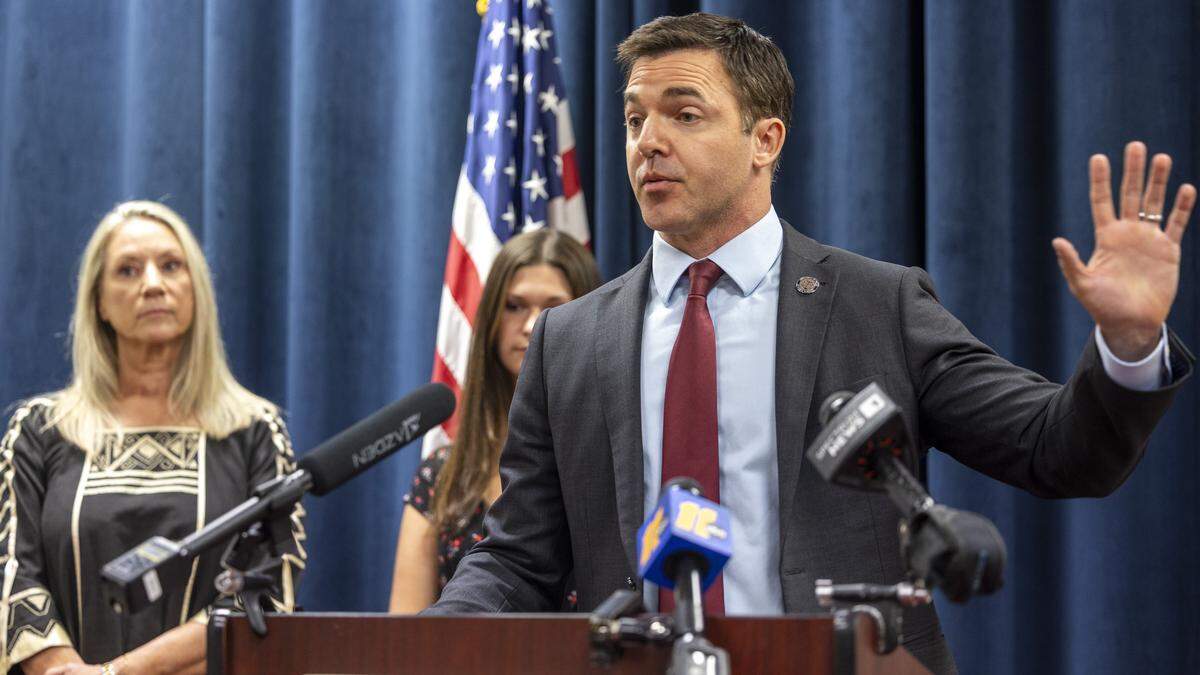
Announced by North Carolina Attorney General Jeff Jackson on July 8, the settlement directs Block Inc., the owner of peer-to-peer payment app Cash App, to pay $45 million to the states, including approximately $1 million to North Carolina.
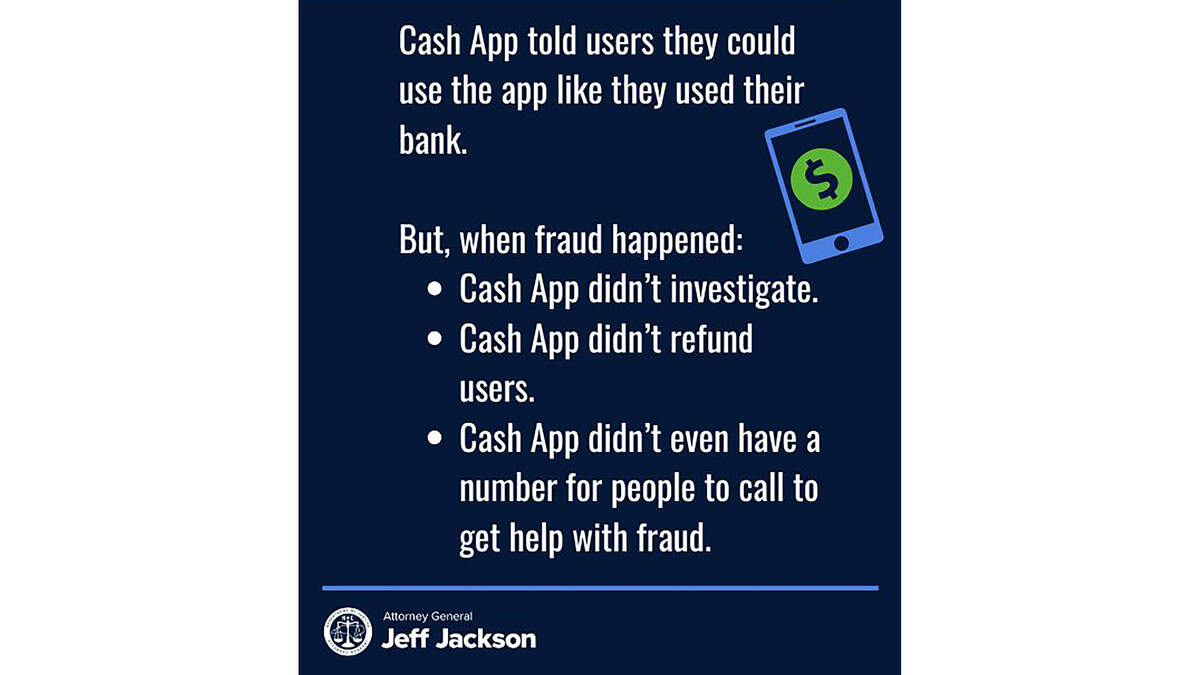
“People deserve to know that their money is actually protected,” Jackson said in a news release. “Block told users Cash App was safe, but made it easier for fraud to occur, and then failed to help when customers needed it most. This settlement gets money back for the customers who took them at their word.”
It also directs Block to complete payment between $75 million to $120 million to affected consumers across the country, which was promised in a prior settlement with the Consumer Financial Protection Bureau, according to the news release. That settlement is related to aspects of Cash App’s historical customer service and disputes practices between July 2019 and January 2025.
The newly announced settlement is not evidence of liability, fault or wrongdoing by Block, according to the settlement documents.
“We’ve reached an agreement that resolves a previously disclosed legacy matter that primarily relates to historical aspects of our business,” a Block spokesperson said in an emailed statement to The News & Observer. “Cash App has made significant investments in consumer protection, customer service, and compliance in order to safeguard and serve the tens of millions of Americans who rely on Cash App to meet their banking and credit needs.
“We share the commitment of the attorneys general to addressing industry challenges and continue to invest in operations and technology to promote a safe and healthy financial ecosystem,” the statement continued.
Allegations against Cash App
Here’s what Cash App and Block allegedly did, according to the news release from Jackson:
- Block’s sign-up process didn’t have adequate identity verification, which made it easier for fraudsters to make accounts.
- Cash App didn’t have a phone number people could call to get help. Instead, they had to message on social media or though the app. They might have called 1-800 numbers found online, but those were fake and created by scammers impersonating Cash App. Block didn’t warn users about this or set up a real phone number until years later, according to the attorney general.
- Customers were encouraged to share their “$cashtag,” a unique Cash App identifier, on social media for a chance to win prizes as part of a promotion. Scammers convinced users they won and tricked them into sharing their login information. Block allegedly knew about the scams but continued to run the promotion.
- Cash App didn’t have adequate customer service, so some Cash App users were locked out of their accounts for weeks, their accounts frozen for suspicious activity, and unable to access their money.
What Block and Cash App have to do
In addition to the financial payment, the settlement directs Block to:
- Have customer support that can resolve fraud complaints and account lockouts. Live support should always be available, and a person should be available by phone at least 13.5 hours a day.
- Stop making false or misleading claims about the app’s safety
- Stop marketing practices known to increase fraud
- Educate consumers about common scams
- Investigate fraud claims and reimburse users for unauthorized transactions