Pendo founder wants to build family compound on 40 acres of pristine Topsail land
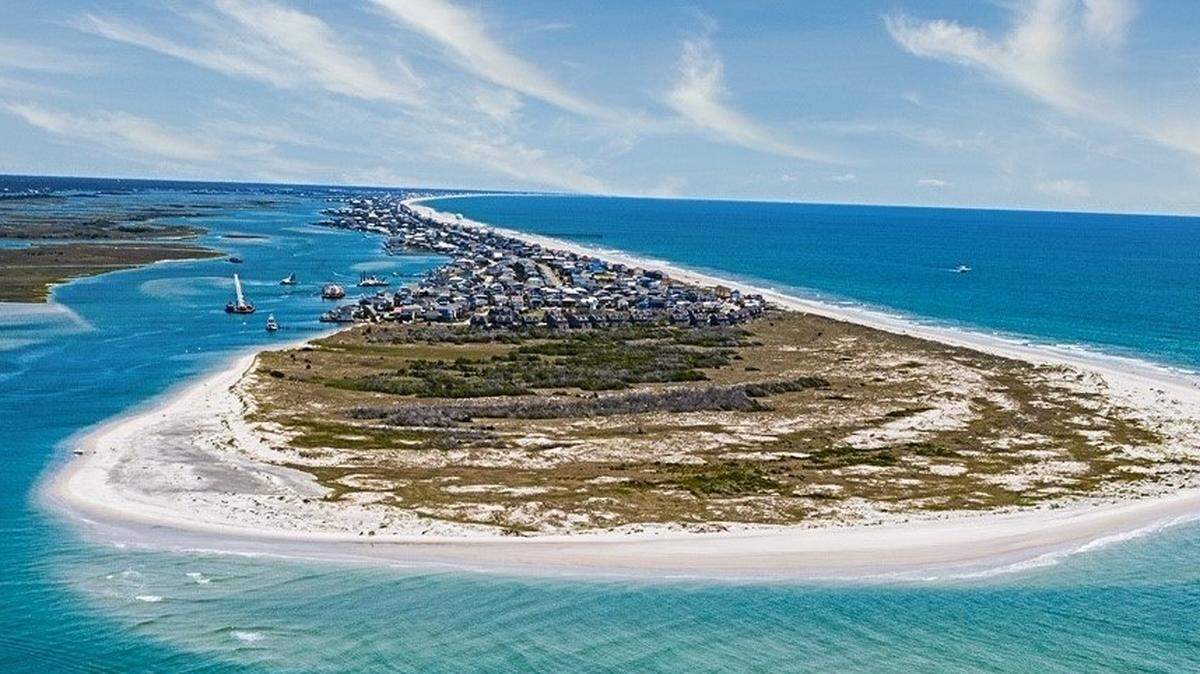
One of Raleigh’s most prominent multimillionaires is facing off with Topsail Beach residents over his plans to build a “family compound” on nearly 40 acres of conserved land on the island’s southernmost tip.
Todd Olson, CEO of software tech giant Pendo, is under contract to purchase what locals fondly call “The Point” — about 150 acres of pristine coastline at 1 Shore Line Drive in Pender County. Known mostly as a wildlife refuge, the land is currently owned by the McLeod family. It’s valued at $2.96 million, according to latest county records.
Olson is seeking conditional rezoning for 37 acres of the tract to build a private estate for his family. Early plans include eight single-family dwellings, access roads, swimming pools, decking, gazebos, beach pavilion, and a sound-side cottage with pier and nine boat lifts.
The roughly 110 acres remaining will be conserved, he said.
“We love this area of the North Carolina coast, and our vision is to retain its beauty,” said Olson, who is married with six children and has vacationed in the area for over a decade.
In 2013, Olson co-founded Pendo out of a popular coworking space downtown. It’s now valued at over $2 billion, with its signage dotting Raleigh’s skyline, alongside Red Hat and Wells Fargo, atop the newly erected Raleigh Crossing tower.
Olson already owns a home on Topsail’s south side, which he purchased in 2019.
“Our goal is to make this as neutral footprint as possible,” he said. “The last thing we want to do is destroy everything.”
But many residents in this quiet, mostly blue-collar beach town are wary of touching this last tract of undeveloped land. Topsail Beach, located south of Surf City, boasts 466 full-time residents. A Facebook page started by group of concerned citizens has amassed more than 560 members in less than two weeks.
Among their top concerns are erosion to the island’s sand dunes that provide protection from hurricanes and flooding, and the impact on nearby property values. Many also fear development would harm the wildlife — foxes, coyotes, pelicans, sea turtles and sandpipers — and its ecosystem.
“We know birds and other species live in there, and we prefer not to see all that destroyed just for somebody to build a house,” said Barry Moore, homeowner of Serenity Point, adjacent to The Point. He lives less than 300 feet from the proposed access road.
“Just because you’re one of that 1% in the world that can afford to do something like this, doesn’t mean that you should. It’s going to negatively impact the homes in that area, for sure.”
In 2019, N.C. Coastal Federation’s Kerri Allen published a report about the land, citing several impediments to developing it per local, state and federal designations. They included its current zoning as a conservation district, and the fact that it’s located within an inlet hazard and Coastal Barrier Resources Act area.
That year, the town attempted to purchase the land to protect it from being developed, but the price tag proved too steep. The Coastal Federation also explored the option for the state to buy it. That didn’t pan out, either.
Now residents are facing the possibility of losing one of the island’s top attractions. Some are even appealing to Olson to consider other options. Tim Sweeney, founder and CEO of Cary-based Epic Games, for example, has bought tens of thousands of acres of land in North Carolina for conservation.
“Buy the land if you’re that wealthy and just donate it,” Moore said. “That’s what we believe is the best thing for the area.”
Public input and Post-it Notes
Around 150 residents packed into the Topsail Beach Historic Assembly Building last Saturday for a public meeting hosted by Olson and his team of surveyors to discuss the project.
It was their first chance to offer feedback, one month after commissioners approved Olson’s bid to amend the town’s ordinances to allow for conditional rezoning. One attendee described the meeting as “cordial,” but charged with emotion. Some residents held placards that read “Save The Point.”
Conditional rezoning allows a local government to attach specific criteria to a proposed project. A public hearing is required before submitting an application to the town.
Armed with a handful of oversized cardboard blueprints, Olson presented plans over the course of the two-hour session and solicited public input on Post-It notes. He also proposed leaving intact a public parking lot currently on the property to ensure public access.
“That side of the beach is completely public, and we don’t desire to change that,” he said.
“Once people saw [our blueprints],” he added, “the sentiment was, by and large, reassured. If there’s going to be development, this feels like maybe the best possible option. There’s alternative offers with developers proposing much more high-density homes. That’s one of the primary reasons we got involved. We didn’t want [that to happen].”
But some residents had a different take.
“I was stunned by the scope and size of the proposal,” said homeowner Michele Rivest, who lives four houses down from the property and was among those in attendance. “The nature and character of the island will be forever changed if development is allowed. People also feel betrayed by previous promises from town officials to protect the island.”
Resident Roy Costa also attended with his wife, Nancy. They live one mile north from The Point, and regularly walk the 2.5-mile loop past the inlet and around the sound.
“Once he opens the door to multiple home residential development, we fear that he will develop all the rest of The Point,” Costa said. “Numerous attendees left in disgust feeling he didn’t care. There was no opportunity as individuals to vocalize our concerns.”
Christina Burke, Topsail’s assistant town manager, said input received at meetings often results in changes to the plans discussed.
“Once [Olson] has submitted his conditional rezoning application,” she said, “it will be subject to all required town meetings and public hearings that will be properly advertised.”
Olson said he plans to file his application later this week, but is in no rush to build. “Our intent is to email with folks, post our plans online, continue soliciting feedback, and hearing people’s voices,” he said.
This story was originally published November 1, 2022 at 12:59 PM.