Redevelopment of Durham shopping center in Hayti will come over 10 years and cost $500M
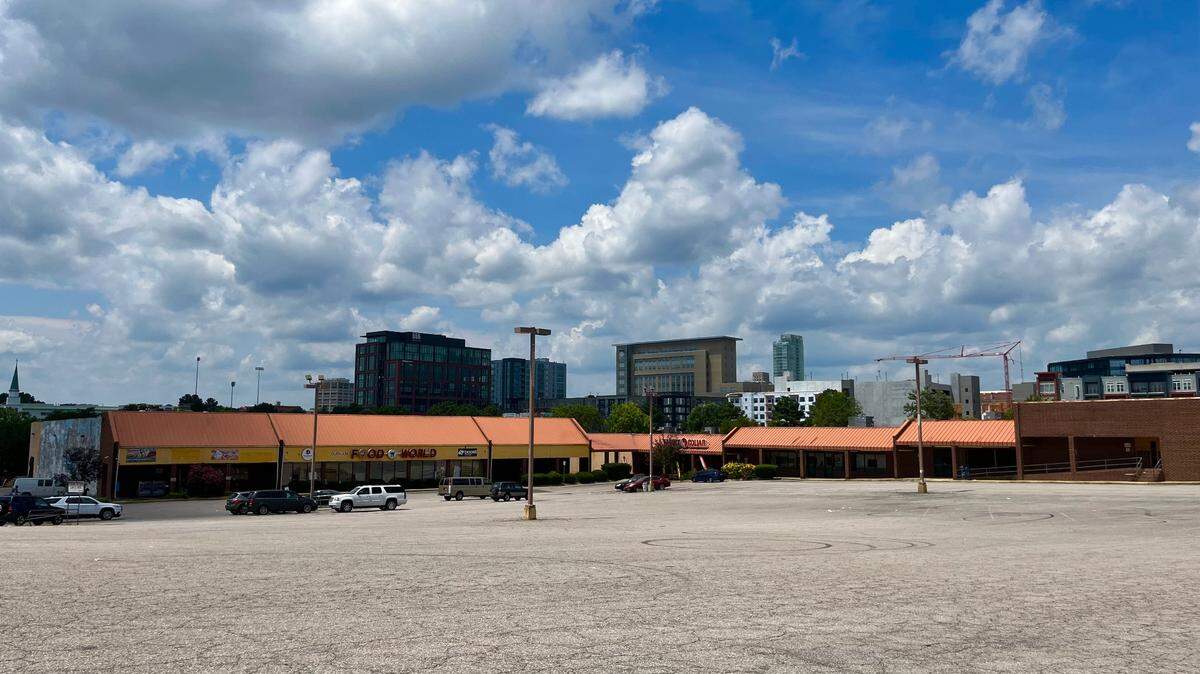
The developers who bought an aging shopping center in Durham’s Hayti community last summer say they’ll mix in apartments and shops with life sciences labs and offices as they build on the site over the next decade.
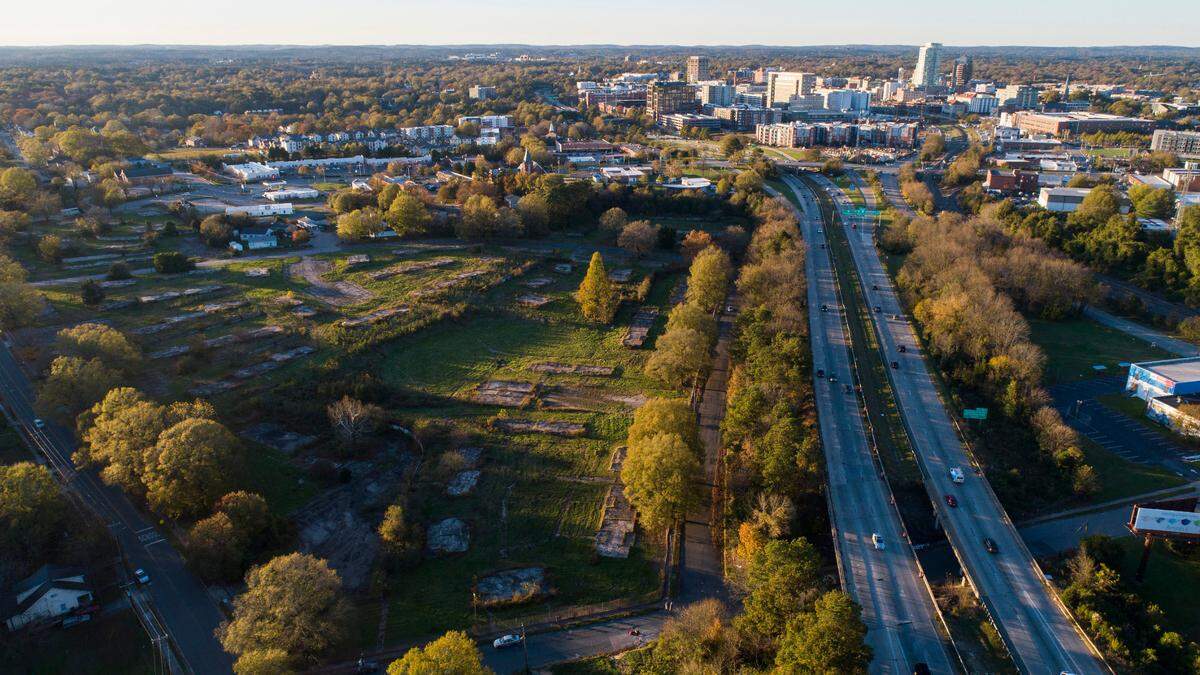
An investment group of three out-of-state firms closed on the 10-acre property in June. The land is southwest of where Fayetteville Street crosses the Durham Freeway, the road that in the 1960s cut the Hayti community off from downtown and destroyed a once-thriving Black neighborhood.
Chicago-based development firm Sterling Bay is at the center of the project, partnering with investors Harrison Street and Acram Group. They expect to develop the project in three phases over 10 years, aiming to deliver the first phase in 2026, the project team told community members at a Wednesday night meeting.
Sterling Bay’s vice president Alistair Parry said at the moment, they anticipate building 850,000 or 900,000 square feet of life science office space, 500 to 600 apartments and up to 50,000 square feet of shops and restaurants. The residential component will not include for-sale housing.
Aaron Lazovik, managing director of Acram Group, said they expect to spend half a billion dollars.
The company aims to submit a site plan this summer and start construction in late 2023 or early 2024. They don’t intend to seek a rezoning, meaning the planning department will approve their plans if they meet the city’s guidelines.
“It’s still very early days, but potentially east to west,” Parry told The News & Observer of the direction development might take.
Hayti cut off from downtown by Durham Freeway
The international grocery store Food World is the only remaining tenant operating in Heritage Square, a one-story plaza built in 1985. Pelican’s SnoBalls sits in a standalone blue building on the Fayetteville Street side.
The remaining storefronts are now vacant, the massive parking lot cracked and bumpy and largely empty of cars. Before the pandemic, the plaza housed beauty supply shops, an auto repair center, a Family Dollar, an outpatient clinic for people struggling with mental health and substance abuse, a flea mall and a Subway sandwich shop.
Its nearest neighbor is a historic Black church whose congregation has worshiped on its property since 1897.
Sterling Bay’s chief diversity officer Keiana Barrett said they have been making consistent trips to Durham for six months.
“It’s important for us to prioritize engagement,” Barrett told The N&O. “We really place a premium on it.”
The developers introduced themselves and presented the plans Wednesday night in the sanctuary of St. Joseph’s A.M.E. The several dozen in the room included residents, organizers, city staff, state Sen. Natalie Murdock and City Council member Leonardo Williams.
The attendees asked questions and pressed the developers to commit to allowing small-scale investment, employing local contractors and selecting Black businesses to fill the shops.
“You spoke about legacy. You’ve talked about wanting to be different from other developers. One of the things that is our problem in the African American community is that we don’t have the opportunity to own this type of real estate,” said local real estate appraiser Jarvis Martin.
“The conversation that’s going on right now in Durham with a lot of folks, particularly professional folks, is that we look at downtown Durham and we’re all proud and appreciate what has been done, but from an ownership standpoint, we probably own less today than we did 30, 40 years ago.”
Barrett said they’ll hold another meeting in a few months to solicit more feedback.
This story was originally published February 16, 2023 at 4:04 PM.