Does North Carolina allow a grace period for late rent payments? What the law says
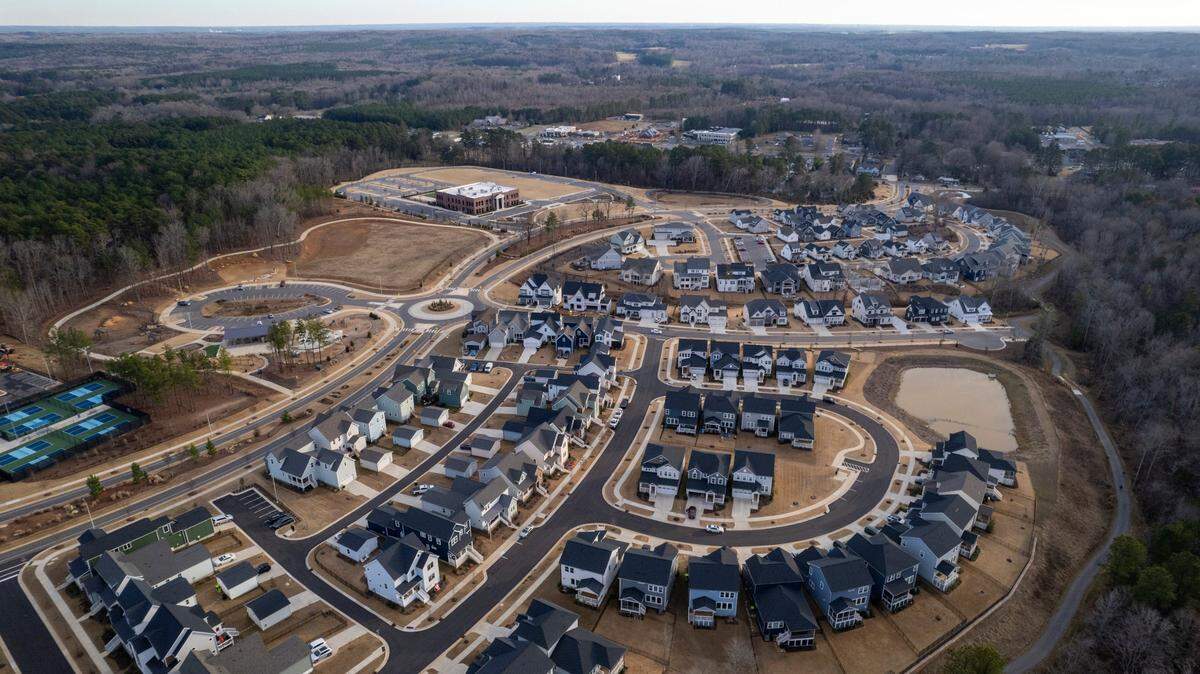
Housing costs often take up a large chunk of a Triangle residents’ income.
Individuals in the majority of Wake, Durham and Johnston counties use more than a third of their wages to pay for housing, The News & Observer previously reported.
According to a report from real estate data company ATTOM, Wake County residents would spend 34% of their weekly wages to rent a three-bedroom home, but they’d spend 57.9% of their weekly wages to cover mortgage payments for a three-bedroom home.
So it’s no surprise that even though it’s getting more expensive, many Triangle residents choose to rent rather than buy.
Technology has allowed for direct deposits and automatic payments, but not everyone relies on those methods. Sometimes, life happens, and a renter may miss the rent due date.
Before stressing about fees for late rent payments, make sure you know what North Carolina state law says about the topic.
When can landlords charge late fees in North Carolina?
Chapter 42 of the General Statutes addresses this issue.
According to the law, late fees may only be charged if a rent payment is five or more days late.
How much can landlords charge for late rent?
There are limits on how much landlords may charge in late fees.
- If rent is due on a monthly basis, the fee can’t be more than $15 or 5% of the monthly rent, whichever is greater.
- If rent is due on a weekly basis, the fee can’t be more than $4 or 5% of the weekly rent, whichever is greater.
In other words, if you’re a couple of days late paying rent, you shouldn’t be fined by your landlord. And if you do pay rent five or more days past the due date, the fee is capped.
What resources do tenants have if landlords fail to comply with NC law?
There is a “power imbalance” between landlords and tenants in North Carolina, said Nick MacLeod, the executive director of North Carolina Tenants Union. Landlords can raise rent so much that tenants have to leave their homes.
Tenants in North Carolina also don’t have the right to proactively withhold rent if their landlord’s negligence is leading to dangerous living conditions, MacLeod said. Tenants have to pay rent up front and may take legal action later to try to recuperate costs.
Even though the law protects tenants when it comes to late rent fees, it can still be difficult or scary for tenants to stand up to their landlords, MacLeod said. Some landlords violating state law may comply once tenants point out the error, but other landlords may not.
State law may also provide some help for tenants if an eviction case is brought. If a landlord wants a tenant who has broken a lease to leave the property, the landlord has to bring an action in summary ejectment, which is an eviction court case, Hannah Guerrier, the community engagement manager in the Charlotte office of Legal Aid of North Carolina, told The News & Observer in an email.
In that case, the landlord filed the complaint and has to prove that the tenant broke the lease.
“This burden cannot be shifted to the tenant,” Guerrier said in the email.
How to best deal with landlord issues
One of the best things for tenants to do is talk with their neighbors, MacLeod said. If a landlord is violating one tenant’s rights, other tenants are likely experiencing the same thing.
Getting to know other tenants also has the benefit of “safety in numbers,” MacLeod said. Rather than acting individually, neighbors can collectively negotiate with their landlords to address issues. Tenants can find a local union on North Carolina Tenants Union’s website.
Organizations such as Legal Aid of North Carolina may also be available to provide help for tenants.v
This story was originally published August 9, 2024 at 8:00 AM.
CORRECTION: This story has been corrected to say if a landlord files the court case, the landlord has to prove the tenant broke the lease. The original version of this story incorrectly said who needed to prove the lease violation.