Cary simplifies rules restricting ADUs. Here’s what the town now allows
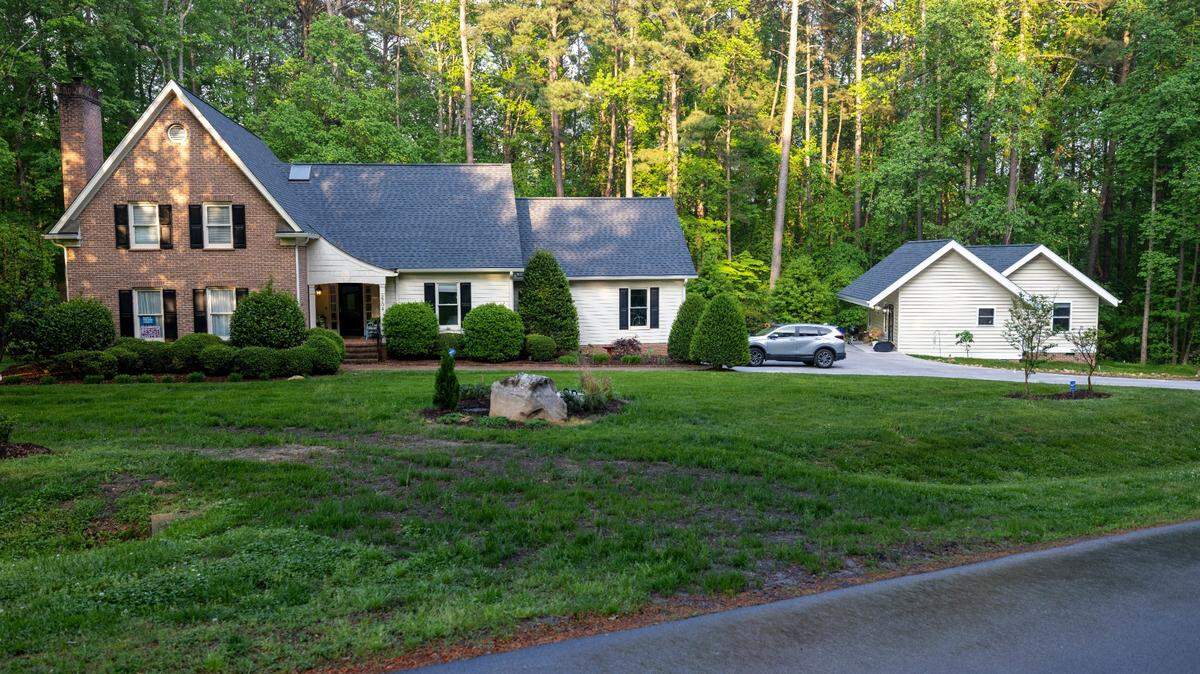
Whether it’s for “Mimi and Pop-pop” or the “boomerang” kid, Cary is making it easier to build accessory dwelling units, or ADUs, in your backyard.
Town officials voted April 10 to simplify land-use rules, making these smaller residences more “accessible and feasible” to meet what they call the growing needs of “millennials, seniors and lower-income residents.”
“The change to the land development ordinance was to allow more housing options,” said Mayor Harold Weinbrecht in an email. “[It] will help with affordable housing.”
Currently, homeowners’ association (HOA) bylaws supersede the town ordinance, Weinbrecht added. “Since roughly half of Cary residents live in HOAs, the change will likely have minimal impact,” he said.
Homeowners are increasingly turning to ADUs with the rise of multigenerational and disability care living. As land becomes more expensive, they also boost supply and add “gentle density” amid a long-running housing shortage, say advocates.
Sometimes called granny flats, backyard bungalows or casitas, ADUs come in many forms. They may be an apartment above the garage or in the basement. They can also be a one- or two-story standalone unit. Typically, it’s 450 to 800 square feet and has a kitchen, living area and separate entrance.
ADUs are already allowed in Cary. However, only 54 have been permitted since 2007, according to the town’s report.
Current regulations, including the maximum size allowed — roughly 33% of the primary dwelling — limit ADU feasibility, it said.
In 2021, Cary adopted a housing plan that identified zoning regulations to amend, expanding the potential for ADUs.
Changes will now allow detached ADUs in all single-family neighborhoods. It will also increase the maximum size from 33% to 50% of the primary dwelling (maximum 800 square feet) and require one parking space per unit, regardless of number of bedrooms.
AARP, formerly the American Association of Retired Persons, welcomed the move.
“More and more people are looking at ADUs because they are created in many different shapes and styles,” said AARP’s Heather Burkhardt, who has been advocating for more widespread adoption.
“They’re able to fit discreetly into all sorts of communities,” she said, including “suburban subdivisions, row-house streets, town or urban neighborhoods — and, of course, large lots and rural regions.”
The demand is certainly there, added Ryan Fitzgerald, owner of Raleigh Realty. “But supply has been artificially constrained by zoning restrictions,” he said. “When I list properties with ADU potential or in areas with diverse housing types, they typically generate significant interest.”
The changes become effective June 2.
This story was originally published April 16, 2025 at 10:40 AM.