Durham office building sells for half its 2022 price. Is this the start of a trend?
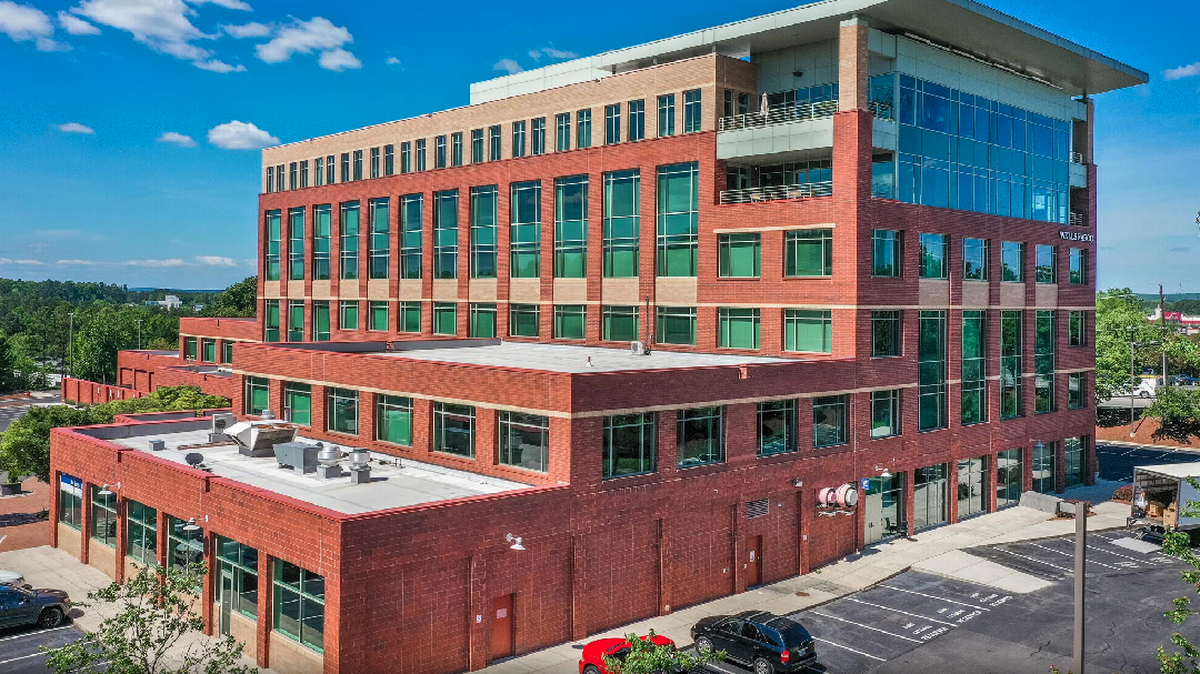
Crescent Communities recently sold SouthCourt, a 140,000-square-foot office building in Durham’s University Hill neighborhood, for $11.8 million.
Just three years ago it paid $22.35 million for the property.
The Charlotte-based developer is downplaying the loss. The building was about 75% occupied at the time of the transaction.
“It’s part of our long-term strategy and development approach to divest assets as we continue to reinvest in new opportunities,” spokesperson Katie Harris said in an email to The N&O this week.
But analysts warn it’s another sign of the trouble brewing in the commercial real estate market, as the rise of hybrid work, high interest rates, and now recession fears, push office vacancy rates to new record highs.
The nation’s office vacancy rate stood at 20.4% this first quarter — the highest since at least 1979, when Moody’s Analytics began tracking.
In the Triangle, it crept even higher at 21.3% — up from 21% in the previous quarter and from 19.3% a year ago, according to CBRE’s 2025 first-quarter market report, beating out records set in 1986 and 1991.
Across all corners, office buildings, new and old, are sitting empty. As companies continue to reevaluate their needs, analysts say the predominant trend continues to be tenants shrinking their footprints upon renewal or relocation. So-called “distressed sales,” or deals where bargain hunters scoop up buildings at steep discounts, are also on the rise.
Crescent now owns no commercial property in the Triangle. Instead, it’s shifted its focus to residential with six active communities. Around the corner, it’s building 400-plus rental homes on a 6.5-acre site at 3737 Durham-Chapel Hill Blvd.
“The recent sale of SouthCourt reflects that broader strategy,” Harris said.
Are plunging office property values the new norm?
SouthCourt’s sale is among a handful of recent deals after transactions stalled through much of 2024.
In March, Highwoods Properties purchased the 20-story, 346,000-square-foot Advance Auto Parts tower at 4200 Six Forks Rd. for $135 million. The move solidified its presence in North Hills’ revitalized Main District, as well as reinforced the submarket’s growing appeal as a bright spot. The building opened in 2020 and is currently 100% leased . Tax records show the assessed value is around $100 million.
But in other corners of the market, buildings have been sold at a loss.
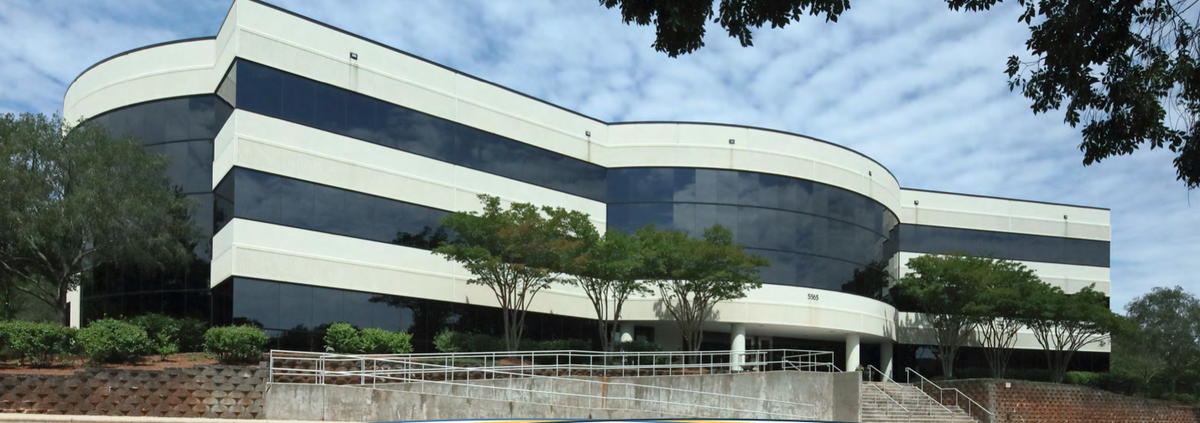
In addition to SouthCourt, Dallas-based TriGate Capital sold a 75,276-square-foot office building at 5565 Centerview Drive in West Raleigh for just over $5.7 million in April, half its 2020 purchase price, the Triangle Business Journal reported.
And last December, Raleigh investor Andy English, with his Perkins Fund, purchased a 160,000-square-foot building in West Raleigh for $6 million — an 80% price drop from just five years earlier, TBJ reported.
In Raleigh-Durham, sales are expected to increase throughout the rest of 2025, “driven by opportunistic investors and distressed sales,” the CBRE report says.
On the plus side: The rise will facilitate the “rehabilitation or redevelopment of buildings that are facing obsolescence,” it says.
While Class A buildings have likely bottomed out, analysts warn Class B and Class C properties, underutilized and decades-old, could drop further.
“The occupancy isn’t coming back. As banks come to grips with the changes in valuation, we’re going to see [more distressed sales] in 2025 and 2026,” said Eric Maribojoc, a UNC professor and associate director of the Wood Center for Real Estate Studies.
Looking ahead
In the meantime, landlords and leasing agents are hoping the market will soon turn a corner.
“We’re starting to see an uptick in leasing activity in recent months as tenants look to find their footing in a post-pandemic world,” said Arnold Siegmund, principal of office leasing in Avison Young’s Raleigh-Durham office.
In a bifurcated market, the region’s landscape remains split between newer, amenity-rich buildings attracting the lion’s share of demand and older suburban properties at risk of becoming obsolete.
Submarkets near the Falls of Neuse, US 1/Capital Boulevard, Six Forks, Downtown Durham and West Raleigh are “all seeing positive absorption,” he said.
Among recent signings: Genesys leased the entire fifth floor at Hub RTP in the RTP/I-40 Corridor. In the Glenwood/Creedmoor submarket, Kiewit leased an entire floor at GlenLake Three, while CDM Smith leased 10,302 square feet of space at GlenLake Six, near Crabtree Valley Mall.
“It’s challenging to predict the future, but strong leasing is the first step to success for office sales,” Siegmund said. “[That’s] already begun.”