As Durham rents cool, see where renters can save up to $17,770 per year
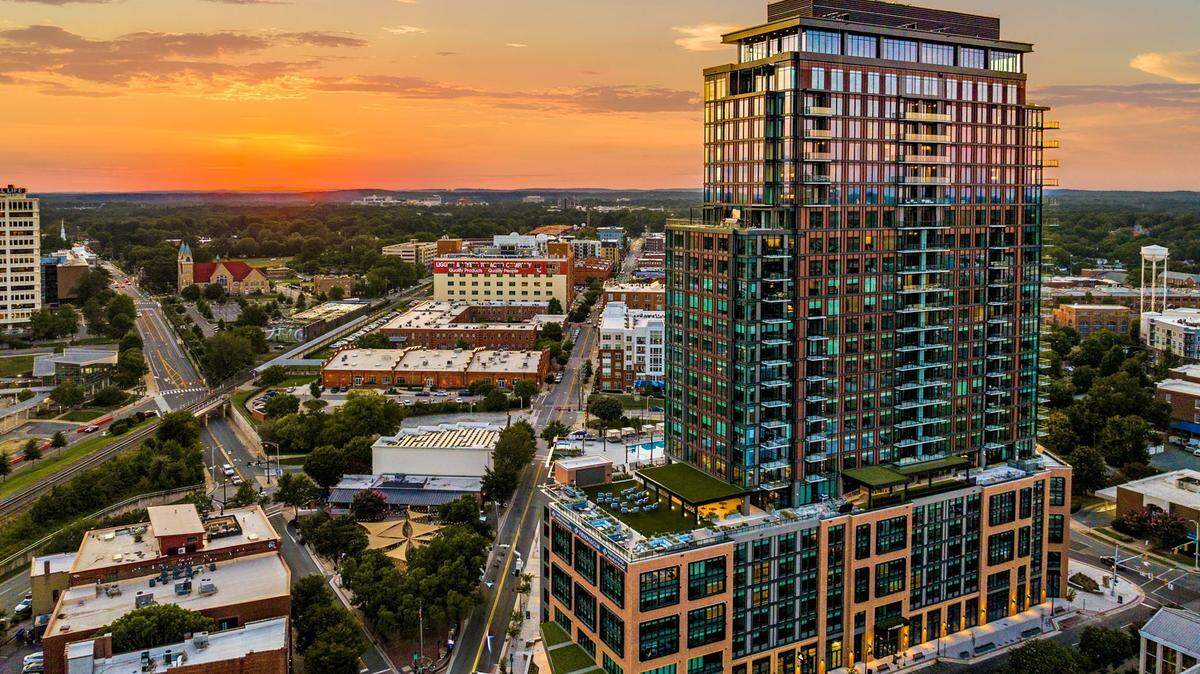
AI-generated summary reviewed by our newsroom.
- Durham rent averages fell 3% year‑over‑year to $1,365 amid new apartment supply.
- Creekside Landing undercuts West Village by $1,482 monthly, saving $17,784 annually.
- Northeast Durham offers largest one‑beds at 876 sq ft for $1,135, value on space.
Durham renters can now save up to $17,000 a year simply by shifting their search outside the city’s most expensive downtown neighborhoods — a sign of how cooling rents and a surge of new apartments are reshaping the market, say experts.
Among key takeaways based on new data collected by CoStar Group researchers:
- Best deal: While downtown’s West Village averages $2,519 per month, Creekside Landing in northern Durham offers “comfortable living” for $1,037. That’s a $1,482 monthly saving (nearly $17,800 per year).
- Best value for space: Northeast Durham offers the largest average one-bedroom apartment (876 square feet) at $1,135 per month, which is $232 below the city average and a $1,384 less per month than West Village.
- Downtown proximity without downtown prices: Hope Valley in southern Durham provides one-bedroom apartments at $1,116 per month, $1,250 less per month than the City Center District’s $2,366 average while staying within reach of Durham’s core.
In Durham, the average rent stood at $1,365 for a one-bedroom apartment and $1,606 for a two-bedroom apartment in January, according to new data from Apartments.com.
Across all bedroom sizes, the overall rent stood at $1,365, down 2.9% year over year.
That’s 16% lower than the national average ($1,625 per month).
In Raleigh, the average rent stood at $1,366 for a one-bedroom apartment and $1,605 for a two-bedroom in January. That was down 3.1%.
A post-pandemic construction boom has helped ease prices, said Nick Leverett, an analyst with Apartments.com.
However, demand remains high for higher-end properties.
In 2025, Durham saw its net absorption (the number of move-ins minus move-outs) hit 2,700 units, its second-highest year.
Raleigh‘s net absorption hit almost 7,600 units, also its second highest on record after 8,500 units in 2024.
Why is the rental market softening?
The Raleigh-Cary metro area ranks among the nation’s biggest builders — with 5,884 new rental apartments added in 2025, according to RentCafe data.
Durham added 2,960 new apartments.
Combined with new units softening prices in older stock, landlords are offering sweeteners — like no deposits, waived fees and up to two months free rent — to close deals.
Here’s the breakdown for some of Durham’s most and least expensive neighborhoods:
City Center District
The City Center District is clustered around CCB Plaza (and the 10-foot, Major the bronze bull statue) and the Five Points intersection.
- Average one-bedroom rent: $2,369 per month.
- Average one-bedroom size: 788 square feet.
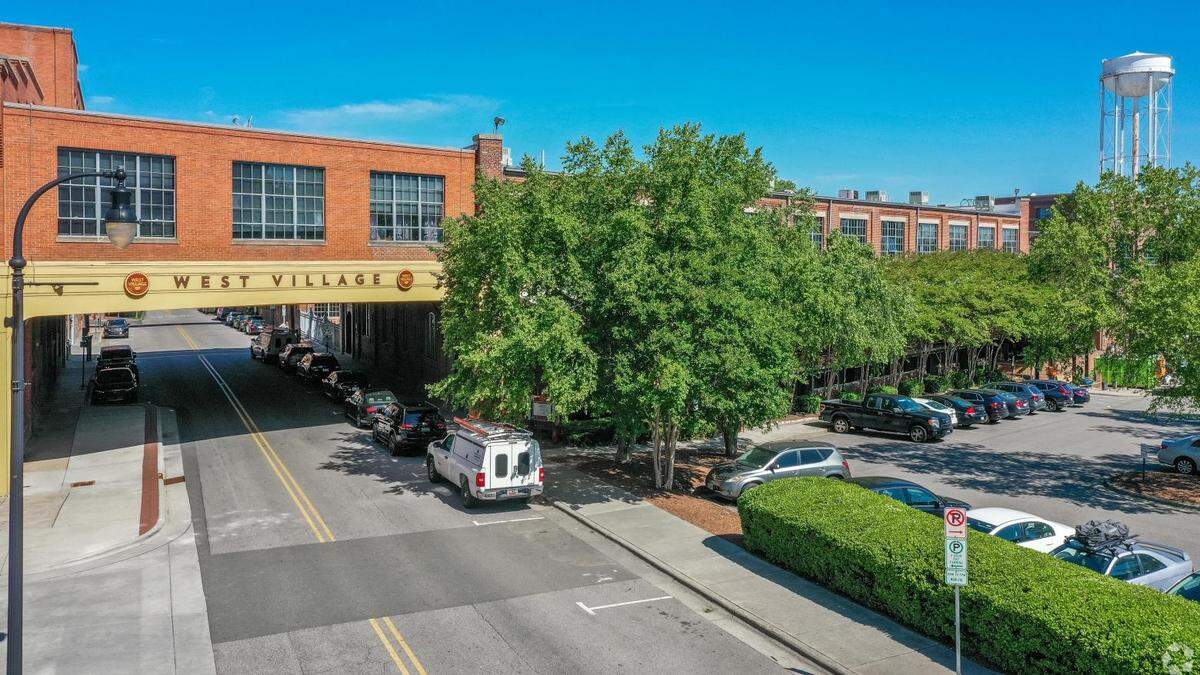
West Village
West Village sits on the west side of downtown, bridging the City Center and the Central Park district.
- Average one-bedroom rent: $2,511 per month.
- Average one-bedroom size: 809 square feet.
Hope Valley
Hope Valley sits in southwest Durham, between Duke Forest and the Chapel Hill–Durham corridor and is one of the city’s most historic neighborhoods.
- Average one-bedroom rent: $1,162 per month.
- Average one-bedroom size: 761 square feet.
Northeast Durham
Northeast Durham sits east of Roxboro Street and north of Holloway Street and extends toward Falls Lake, Bahama, and the Durham-Wake County line.
- Average one-bedroom rent: $1,135 per month.
- Average one-bedroom size: 876 square feet.
Creekside Landing
Creekside Landing is a residential pocket in northern Durham, just off Interstate 85.
- Average one-bedroom rent: $1,037 per month.
- Average one-bedroom size: 632 square feet.