NC Triangle renters targeted by new wave of scams. Here’s how to protect yourself
AI-generated summary reviewed by our newsroom.
- Scammers post fake listings and impersonate landlords to defraud renters.
- Fraudsters avoid in-person meetings and pressure renters to send money.
- The Triangle’s multiple listing service has removed 500+ fake online listings since April.
If that rent looks too good to be true, it probably is.
That’s one of the warnings the North Carolina attorney general and the North Carolina Real Estate Commission are sharing with consumers amid a new wave of scams targeting renters.
“Public reporting seems to indicate that these scams seem to be increasing, which led to our office’s alert,” Bailey Aldridge, press secretary for the North Carolina attorney general, said in an email to The News & Observer.
Scammers are impersonating landlords or property owners, creating fake listings and stealing money from people looking to rent an apartment or house.
This scam may be increasing, but it isn’t necessarily new, said Frank DeRonja, president of the Raleigh Regional Association of Realtors and a broker/owner of Raleigh-based Corcoran DeRonja Real Estate.
“I first remember this from over 10 years ago on Craigslist, having listings of mine that were cloned and posted for rent,” DeRonja told The N&O in a phone interview. “So this is a long-term scam.”
Doorify MLS, the Triangle’s multiple listing service, started using a tool called Property Shield around late April to identify and remove fake property listings from platforms including Facebook, TikTok and Craigslist, said Matt Fowler, CEO of Doorify MLS.
In just a couple of months, nearly 550 listings, most of them apartments, have been taken down. Doorify MLS hasn’t measured this data before, Fowler said, so he can’t say for sure whether these rental scams are becoming more common.
But “this is a persistent threat,” Fowler said.
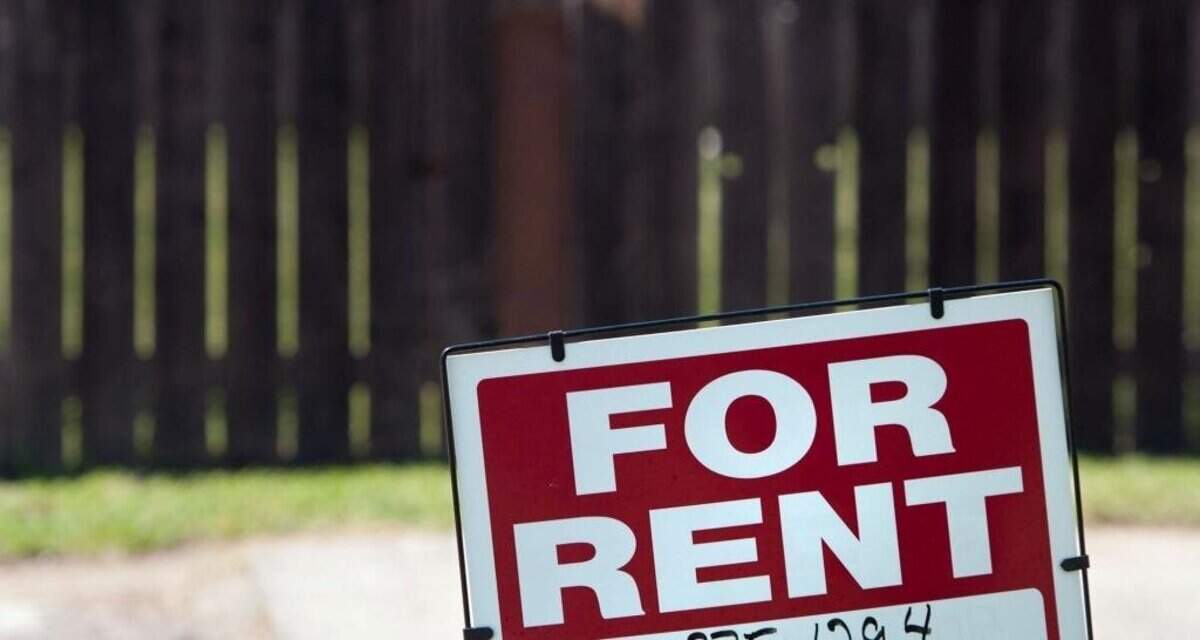
What the scammers do
Here’s how the scams work.
Fraudsters post information about and photos of real properties online, but they don’t actually own or manage them. Then, to attract renters, they list properties at low prices.
Instead of meeting prospective renters in person, scammers only communicate using text, email or messaging apps. And they give believable excuses as to why they’re unable to schedule a face-to-face. They might say they’re out of town or traveling for work.
Scammers make themselves seem more credible by sending lease documents that look legitimate or providing the correct access code that allows renters to tour properties. The latter is more common for properties leased by companies that have their own apps for visiting properties in person, DeRonja said.
“A lot of the rental companies will allow you to view a home by just downloading an app and scanning a picture of your license, so it’s pretty simple for a scammer to, you know, trick that and then provide the unsuspecting person their code to access the property,” DeRonja said.
The fraudsters’ goal is to get consumers to send money, so they tell renters that they need to quickly send a deposit and a month’s rent because there’s a lot of interest in the property.
What’s new?
This fraud has been happening for years, but artificial intelligence is making it more sophisticated and believable, DeRonja said.
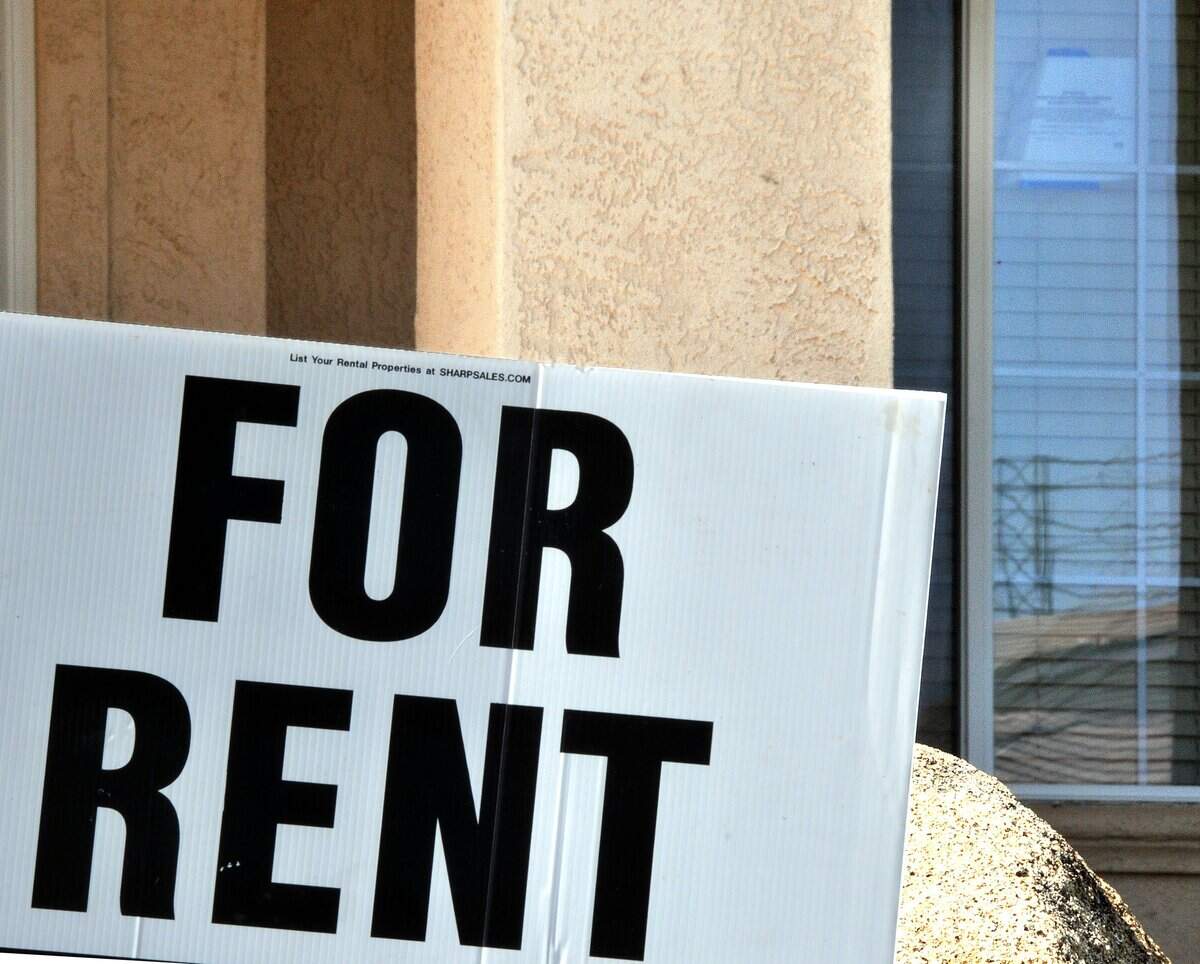
For example, Realtors may add watermarks to photos of their listings or place signs in a home’s windows that say the property is for sale, not for rent.
AI makes it much easier for fraudsters to remove those from images.
How renters can protect themselves from scams
The attorney general and North Carolina Real Estate Commission suggest several ways renters can avoid this scam:
- Search property records to make sure the name of the owner matches the name of the person advertising the rental.
- Visit the property in person before sending any money.
- If the landlord refuses to meet in person or only communicates through text or email, that’s a red flag.
- Ask the seller detailed, specific questions about the property.
- Look out for prices that seem too good to be true.
- Carefully review lease documents.
- Be wary of pressure tactics. “If you’re getting a lot of pressure to send a deposit by Venmo or PayPal, that’s a red flag,” DeRonja said.
How to report a scam in NC
Renters who see a scam can report it to the North Carolina Department of Justice Consumer Protection Division by calling 1-877-NO-SCAM or filing a complaint online at ncdoj.gov/complaint.