
What is an essential business? Many in North Carolina want to be on the list.
Across the country, more than a dozen states have issued shelter-in-place orders to combat the spread of COVID-19, the disease caused by the novel coronavirus.
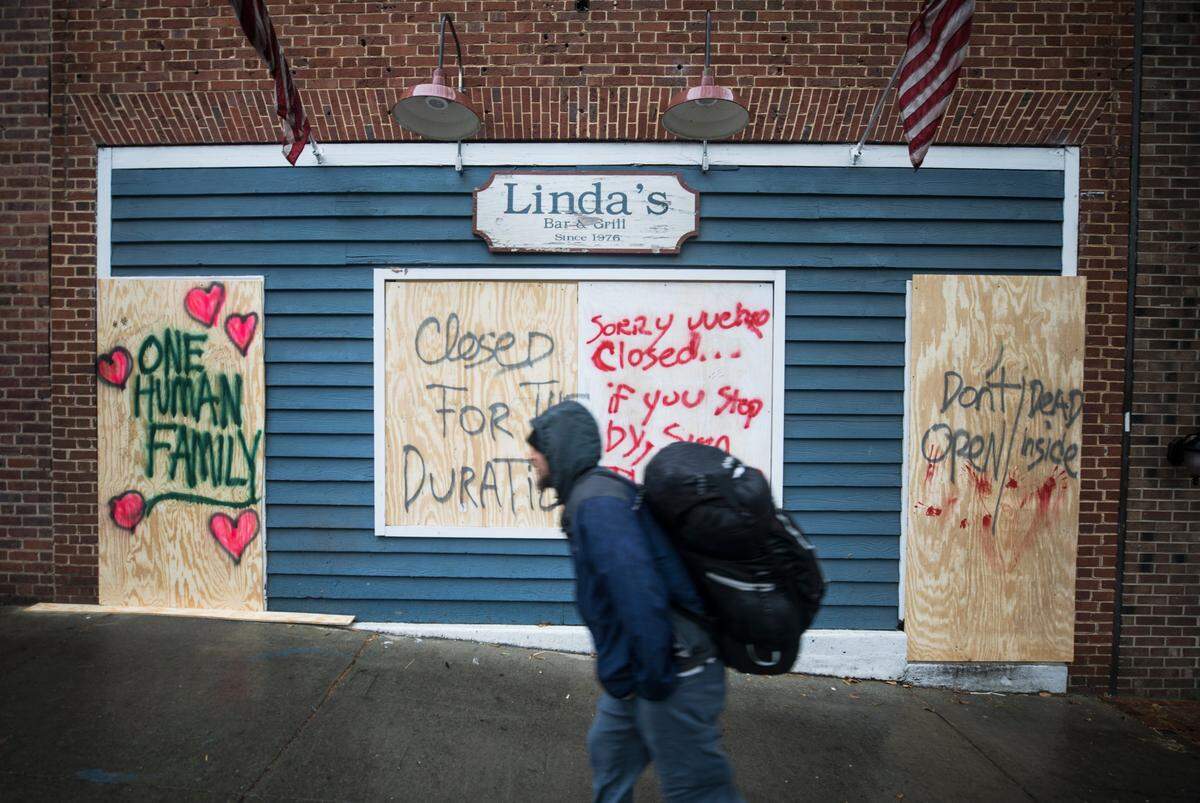
It’s a drastic move that essentially stops all activity, including the shuttering of most businesses save for ones that have been deemed “essential.”
The actions of these states, like California and Pennsylvania, have led many business leaders in North Carolina to assume a similar order will be coming in due time, and in response, they have started lobbying Gov. Roy Cooper’s office for exemptions from such an order.
Gov. Cooper has yet to call for a shelter-in-place order, though he has taken extensive steps to limit much activity in the state in an effort to prevent the spread of COVID-19.
He closed the schools, shut down restaurants and bars — except for to-go orders and deliveries — and this week banned all gatherings of more than 50 people. In that order, he also asked a variety of different businesses to shut down, including gyms, salons, yoga studios, rock-climbing facilities and live performance venues, among others. The order essentially targeted any business where large gatherings could occur.
While Cooper has yet to make the call on a shelter-in-place order, he is being pressured by many to do so, including by hospitals, which are bearing the brunt of the pandemic.
On Monday, the N.C. Healthcare Association, which represents all 130 hospitals in the state, sent a letter to Cooper saying a shelter-in-place step is needed because the number of confirmed cases of COVID-19 is rising rapidly.
On Tuesday, the governor’s office said it had not made any determinations about what it considers an essential business.
“Right now, the state is planning for all scenarios, including how to make determinations about essential business should that distinction become necessary,” Cooper spokeswoman Dory MacMillan said.
Gary J. Salamido, president and CEO of the N.C. Chamber, said Tuesday that a shelter-in-place order should be a “last-ditch” effort by the state because of how devastating it would be to companies and workers.
“The disruption a shelter-in-place order would generate for the private sector, and for North Carolina citizens whose financial well-being and overall welfare depends on their ability to work, cannot be [overestimated],” Salamido wrote in a letter, noting the critical roles manufacturing, agriculture and biotechnology play in the state.
What is essential?
From state to state, the businesses designated as essential have varied — though businesses like pharmacies and grocery stores have almost universally been allowed to stay open.
In an analysis of states that have made shelter-in-place orders, the law firm WombleBondDickinson found that businesses involved with health care, first responders, food production and delivery, medical supply, public utilities, communications and information technology, grocery stores, and gas stations are most likely to get exemptions from closing.
Many states are following a directive from the U.S. Department of Homeland Security that named 16 sectors as “essential” and recommended they operate their “normal work schedule.”
Those sectors include industries such as health care, energy, agriculture and financial services. Manufacturers working in medical supply chains and other public utilities were also encouraged to remain open.
Wake County also gave an indication of the types of businesses that might be labeled essential in its state of emergency declaration. The county gave permission for a long list of businesses, like food and package delivery, airlines, newspapers, home and child care, laundromats and accountants, to have gatherings of 50 or more people.
Lobbying the governor
In the meantime, without a decision either way by Cooper, industries are making their cases directly to him.
Maren Brisson-Kuester, president of the N.C. Realtors Association, said she has reached out to the Cooper administration expressing concern about what a shelter-in-place order could do to the real estate industry. She is asking for the real estate industry to be exempted if an order comes out.
She said shutting down the real estate industry would impact around 100,000 people in North Carolina, many of whom are self-employed and ineligible for unemployment benefits.
It could also cause thousands of people to be stuck in limbo if they are unable to close on the sale of a home, she added. The real estate industry has already taken many steps to go virtual, she noted, but if appraisers and register of deeds offices are closed down, the industry would grind to a halt.
“We have over 52,000 North Carolina families in the pipeline to close a property” as of two days ago, Brisson-Kuester said in a phone interview. “That is about $8 billion in personal funds. And that is just residential and not commercial ... so it is an even larger and bigger impact.”
She noted most states have decided to exempt the real estate industry.
The tech industry has also shared its concerns with the state, with the N.C. Technology Association asking for key elements of the tech sector in North Carolina to be listed as essential, like tech firms that provide computing services, business infrastructure and telecommunications, among others.
“Additionally, we urged the Governor to include a provision in any potential order that would allow any business to permit one or more employees to visit the office for critical business continuity purposes,” N.C. Tech CEO Brooks Raiford said in an email.
Phil Lucey, executive director of the North Carolina Press Association, said his organization has not gotten any indication that a shelter-in-place order is imminent. But that didn’t stop his organization from pleading its case in a letter to the governor about why media should be considered essential.
All types of media — print, digital, radio and television — work to keep the public informed during emergencies, the letter noted.
“Our existing press freedoms would not allow any government action to impede news gathering or the delivery of our products,” Lucey said in an email. But a specific exemption “would help clear up any confusion if we were specifically listed as essential services. You can take a look at the handful of states that have had statewide shutdowns and in every case all media services have been included in essential services.”
On Tuesday, N.C. Insurance Commissioner Mike Causey asked Cooper to deem financial services, including insurance services, as essential businesses “if and when” Cooper declares a shelter-in-place order.
“Consumers and businesses will need easy access to insurance services during this time sensitive emergency to make claims, purchase or renew policies, make payments and discuss coverage issues,” Causey said in a news release.
The construction industry is also seeking an exemption. On Monday, the Associated Builders and Contractors of the Carolinas wrote to Cooper asking for the 450,000 construction workers in the state to be labeled “essential.”
“An important aspect to consider is construction interruptions and site abandonment will result in undue exposure to weather conditions leading to future building environmental issues and resulting air quality dangers within these facilities,” the group’s governing board wrote.
Colin Campbell and Dawn Baumgartner Vaughan contributed.
This story was originally published March 24, 2020 at 3:08 PM.