Just as visitors were about to return to Ocracoke, coronavirus cuts the island off again
The month of March is a harbinger in any tourist-reliant beach community, marking the end of the months-long fast that is winter and the start of a new season of regular income.
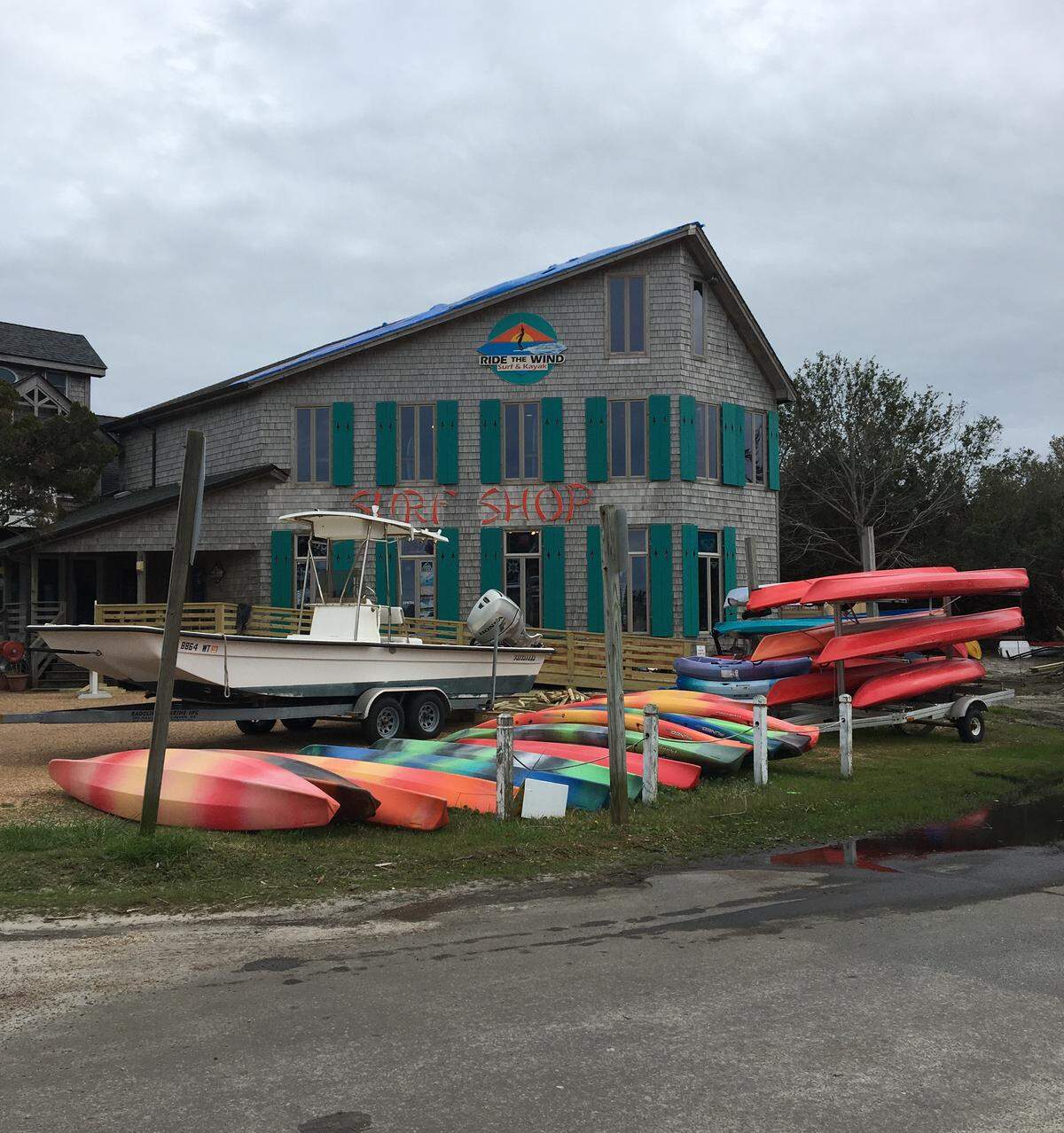
On Ocracoke Island, this March held special promise after the ruinous flood from Hurricane Dorian in September that damaged most of the buildings in the village, wiped out the fall tourist season and left many of the island’s 400 full-time residents with bills they weren’t sure they could pay.
“Spring break is usually a good little bit of business,” said Michael Schramel, who has operated the Flying Melon restaurant on Ocracoke for 20 years.
There’s also a bump at Easter, then finally comes Memorial Day, and for the next several months Schramel is working 14- to 16-hour days and keeping nearly two dozen people employed.
But not this year.
“We opened,” he said. “And then we closed again when the governor said we had to.”
COVID-19, the illness caused by the new coronavirus, arrived in North Carolina on March 3 and spread quickly, as it has everywhere else it has been detected. By March 14, Gov. Roy Cooper had ordered all K-12 public schools closed and banned gatherings of 100 people or more. Three days later, the governor ordered bars and restaurant dining rooms to close. Now, group gatherings are limited to 50 people keeping 6 feet away from each another, and all residents are asked to stay home if they can.
‘It’s very, very quiet’
Ocracoke, accessible only by water or air, is even more isolated than usual, with Hyde County severely limiting access to the island beyond the people who live there.
“Right now? It’s quiet. It’s very, very quiet,” Schramel said. “There is a feeling of safety, I’ll say that.”
After Dorian, Ocracoke remained closed to visitors for three months to make it easier for property owners to clean out and start repairs to flooded homes and businesses. While damage estimates are elusive, the county reported that 307 homes experienced flooding, most of them older homes in the village that were built close to the ground. In some places, locals said, the water was 7 feet deep.
About half the businesses also were affected, including hotels, restaurants and shops.
Winter became a time of rebuilding for those who could find volunteers or contractors to help with the work. Dozens of homes have been elevated to try to prevent additional damage if another flood comes along.
Visitors, many of them habituated to visiting once, twice or many times a year, watched from afar and expressed their support by ordering online from gift shops or writing words of support on a community Facebook page.
Debbie Moore went a step further and made reservations for herself and a group of longtime friends at a favorite rental house on the island.
“We’re coming,” she said in a telephone interview from her home in North Port, Fla. “The trip is May 16, and I keep saying, ‘This is going to be the opening weekend, exactly two months after everything was shut down.’ And I refuse to think anything different.”
‘It’s my place’
Moore guesses she has visited Ocracoke more than 30 times since 1981, when she and her then-husband went there on a fishing trip with friends. She arranged for her son to spend a summer working there when he was a teenager, and he later got married on the beach at Ocracoke. When her sister died, Moore scattered her ashes on the island. When her own time comes, she said, “My family knows the spot where I want to be.”
Moore loves Ocracoke’s community vibe, its beaches and the physical and mental detachment she feels there, 12 hours from her regular life and a ferry ride away from the mainland.
“It’s my place where I can go and sit on the beach and I can make my mind stop,” she said. “I like to see how long it takes me to get into that ‘Ocracoma’ — that’s what they call it — until nothing is on my mind.
“On Ocracoke, you can think about nothing. You can get to that place.”
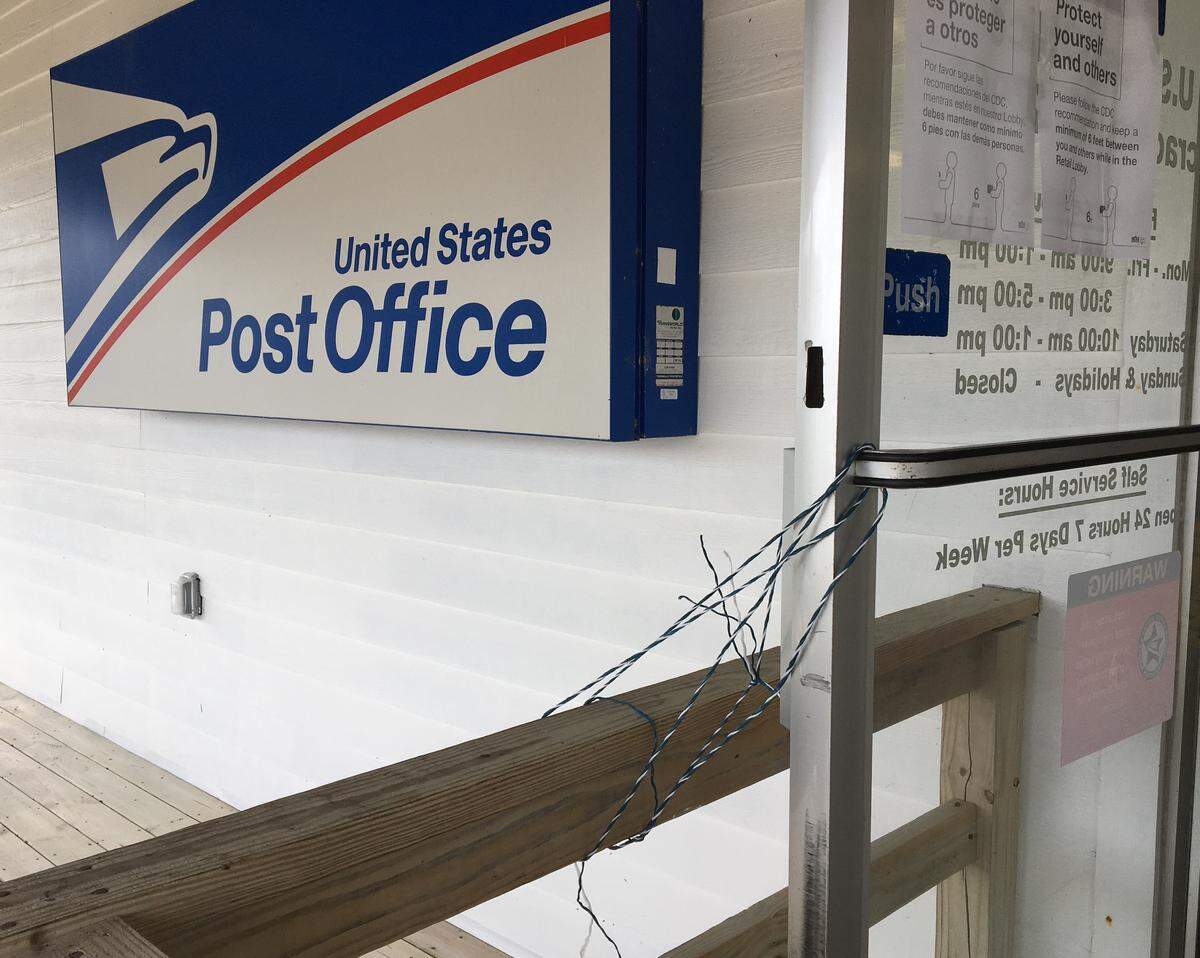
Thinking about nothing may be harder for those who live and work on the island. Before and since the county’s announcement of visitor restrictions related to the virus, residents have debated the value of allowing tourists or even off-island property owners to come and stay.
“I have mixed feelings about it,” islander Gary Mitchell said in a phone interview. “I think there is a fear that with such a small health system here on the island, we could be easily overwhelmed. That’s the biggest concern if something did break out. On the other hand, I feel like if I lived somewhere off the island, and I felt threatened, I might really want to come here and stay in my house and have less of a connection with the rest of the world.”
Ocracoke’s small health system
Ocracoke has a health center with one doctor, two nurses and a small staff, but the nearest emergency room is 85 miles north, in Nag’s Head.
Ferry service to and from the island has been trimmed back, adjusting for the visitor restrictions, but Mitchell said he has made a couple of big shopping trips to buy groceries so he and his wife can stay put for a couple of weeks if necessary. For immediate needs, they can run to the island’s only grocery, the Variety Store.
The 37th Annual Ocracoke Invitational Surf Fishing Tournament, set to begin April 29, has been postponed. As for the gigs Mitchell had lined up for his band, Molasses Creek, at bars on the island?
“Canceled,” he said, until the threat of viral spread is reduced enough to allow people to gather again.
Until then, he said, he’s been learning new ways to use the internet to play and record music, including an original song, “Can We Agree on Love,” that he had put on the shelf. He has a drummer friend in Thailand who’s going to lay down a track for it, he said — something he might not have considered under normal circumstances.
Mitchell’s wife, Kitty, a retired teacher and an artist, has been using the time to write and illustrate a cartoon-style book about a dog the couple inherited after the recent passing of Kitty’s mother.
“This dog is the worst dog that anyone has ever known on the planet,” Mitchell said.
Mitchell worries about his neighbors on the island, especially those who were barely making a living before the hurricane and somehow survived with the hope of getting back on their feet in the spring.
“What are they going to do now?” he said, with nearly everything shut down indefinitely — again.
Those who qualify can apply for unemployment under new rules announced by the state.
For some on Ocracoke, Mitchell said, the delay of the tourist season will provide extra time to finish repairs and preparations so that when visitors are allowed back, they will have more places to stay and more things to do.
“I don’t know,” he said. “There’s just so much uncertainty.”