Labcorp is studying COVID-19 mutations. Can it improve US tracking of the virus?
In recent weeks, headlines from around the world have warned about the emergence of new variations of the COVID-19 virus.
From South Africa to California, scientists have raised alarm bells about strains that appear to be more infectious. There have even been some fears that they could potentially compromise the effectiveness of vaccines.
But the U.S. has been slower than some other countries when it comes to tracking different variants, and experts have warned that we are “flying blind” because of a lack of genomic testing.
Labcorp, one of the largest testers of the coronavirus, could help the country catch up.
The North Carolina-based company said Wednesday that it has signed a contract with the Centers for Disease Control and Prevention (CDC) to provide genomic sequencing of samples of SARS-CoV-2, the virus that causes COVID-19.
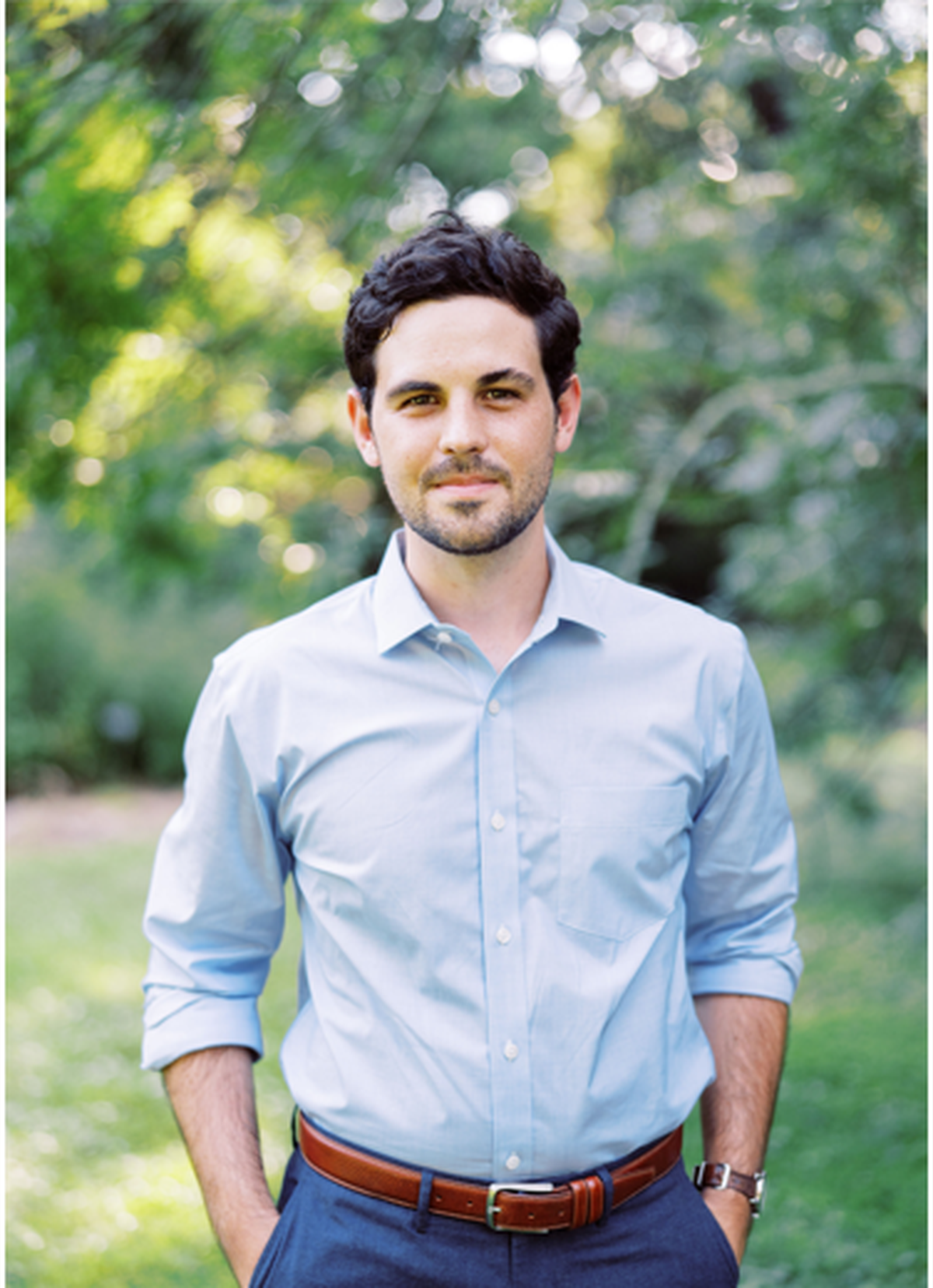
“It’s important for us to keep a catalog of all these genomes over time, to see if those changes are going to end up making the virus more infectious or look a little bit different to the immune system,” said Jon Meltzer, an executive at Labcorp that oversees the company’s labs.
Genomic sequencing is the most detailed information that can be collected on a virus. It can pinpoint minute variations that can have huge consequences.
That information could help the country’s surveillance of COVID-19 — potentially identifying new variants faster and improving public health response.
If the country could locate a more contagious strain in one community, for example, then public health officials could potentially prevent its spread to other parts of the country.
Tracking COVID-19 variants
All viruses mutate and change. It’s a natural part of their evolution as they encounter new hosts.
Sometimes they mutate to become less infectious. Other times they learn to spread faster — like when an Italian variant of COVID-19 became the dominant strain in Europe and the U.S.
Tracking these changes is vital so scientists can study them and craft appropriate responses, Meltzer said.
Based in Burlington, Labcorp has become a huge part of the nation’s testing infrastructure. The company has the capacity to handle 275,000 COVID-19 tests a day, Meltzer said.
There have been some concerns raised about the U.S.’s ability to track new variants of the COVID-19 virus, NBC News previously reported.
Joe DeRisi, of the Chan Zuckerberg Biohub in California, told NBC News that only a handful of labs were doing genomic sequencing.
“There should be 1,000 sites sequencing like we do,” DeRisi told NBC News. “There’s just a handful doing this. If you compare it to the nation as a whole, it’s pitifully small. There’s a very small amount of surveillance going on.”
So far, the U.S. has only sequenced about 60,000 samples of the virus — or around 0.3% of cases — according to the GISAID Initiative.
The United Kingdom, a much smaller country, has sequenced nearly twice that many.
Traditionally, Meltzer said, virus surveillance is handled by all of the state labs and the CDC. The U.K., which has a nationalized medical system, is more centralized.
“Britain’s got sort of a one command and control center,” he said. “Here, traditionally, the surveillance ... is really through all the state labs.
“So you’ve got 50 people in charge ... there’s no single state that has purview over the country,” he said. “This is where a Labcorp comes in, because we get samples from a whole bunch of states.”
At the moment, Labcorp is already capable of doing thousands of genomic tests per week.
In the coming weeks, it plans to ramp up that number even higher for the contract.
This story was produced with financial support from a coalition of partners led by Innovate Raleigh as part of an independent journalism fellowship program. The N&O maintains full editorial control of the work. Learn more; go to bit.ly/newsinnovate
This story was originally published January 21, 2021 at 3:27 PM.