Growing number of North Carolinians say they’ll take COVID vaccine, poll shows
North Carolinians are increasingly interested in getting vaccinated against COVID-19, a recent poll shows.
The poll, conducted by Elon University, surveyed 1,455 North Carolinians online from Jan. 29 to Jan. 31.
The percent of respondents who say they’ll get the vaccine when it’s their turn grew in January, compared to December and October, when Elon pollsters posed a similar question to a sample of North Carolinians.
Still, around one-fourth responded “not sure” to whether they’ll get the vaccine. And 63% responded they are “very worried” or “somewhat worried” about potential side effects.
Of unvaccinated participants, about half said they would get vaccinated when they become eligible, according to the poll released Tuesday morning.
That’s up from 33% in October and 40% in December, when participants were asked whether they’d get the vaccine.
Racial inequity of vaccine roll-out
The bulk of poll participants in January were between the ages of 25 and 64, and white — 21% were Black.
Following national trends, vaccines have been unevenly distributed in North Carolina, data show.
In Mecklenburg County, more than two-thirds of people vaccinated by the county health department are white. White North Carolinians have received 81% of state vaccine doses, despite making up 68% of the state population, recent data show.
Only 16% of vaccine doses by the health department have gone locally to Black residents — nearly a third of the county is Black.
That uneven rollout extends to the Triangle, as well. In Wake County, 74.5% of the people who have received at least one dose of a COVID-19 vaccine are white, compared to about 65.4% of the county’s residents. Black people were underrepresented among those receiving the shot, with 13.4% of recipients compared to about a fifth of the county’s population.
White workers are overrepresented in healthcare which contributed to the disparities during initial vaccinations, but as eligibility has expanded to include people of ages 65 and up, disparities have remained.
Nearly 26% of Mecklenburg’s 65 and older population is Black but only 16.8% of first doses from the county health department were administered to Black seniors, the Observer has previously reported.
And many Black residents who are eligible to receive the vaccine are hesitant because of historic distrust and mistreatment.
Some say not enough people of color were included in COVID-19 vaccine trials, while others are suspicious communities of color are being prioritized during distribution, given a history of being treated poorly by the American health care system.
The county has publicly committed to increasing distribution in communities of color, but community advocates have complained their efforts have not gone far enough.
Advocates from the Latinx community, one of Mecklenburg’s hardest hit populations during COVID, say information comes at a slower rate because of language barriers.
Rating NC vaccine distribution
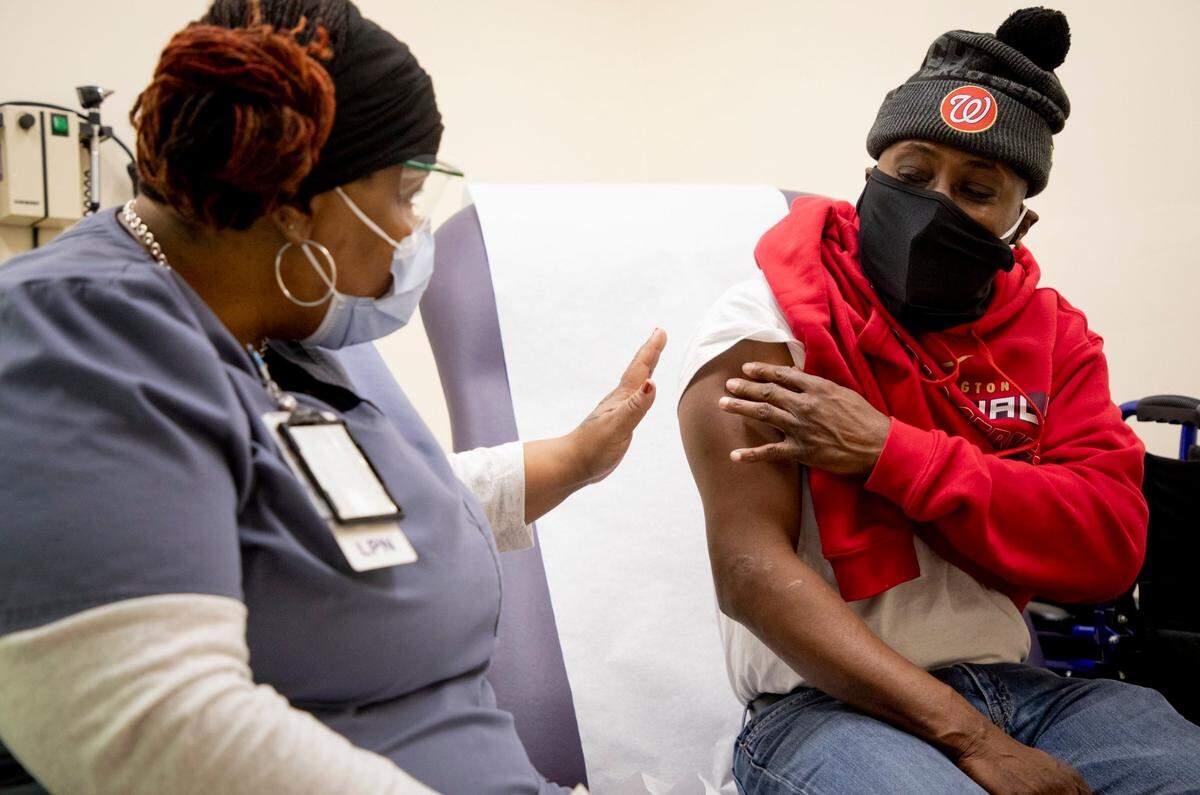
In the recent Elon poll, North Carolinians are split on whether they think the government has handled vaccine distribution well, though more disapprove of the way the federal government has managed distribution.
Asked “Do you approve or disapprove of the way the state government in North Carolina has handled COVID-19 vaccine distribution,” 37% said approve; 27% disapprove; and 36% said “don’t know enough to say.” On the federal response: 30% said approve; 43% disapprove; and 28% said “don’t know enough to say.”
Access to the vaccine continues to be limited due to supply and a roll-out, which has been widely criticized in North Carolina.
In the Elon Poll, only 12% of those asked had already gotten a vaccine. Of the rest, a majority had not yet attempted to get a vaccine. For those planning to get a shot and who have already tried unsuccessfully, the most common barrier was not being able to find an available appointment. Another barrier named by 12% of participants: not living near a vaccine distribution location.
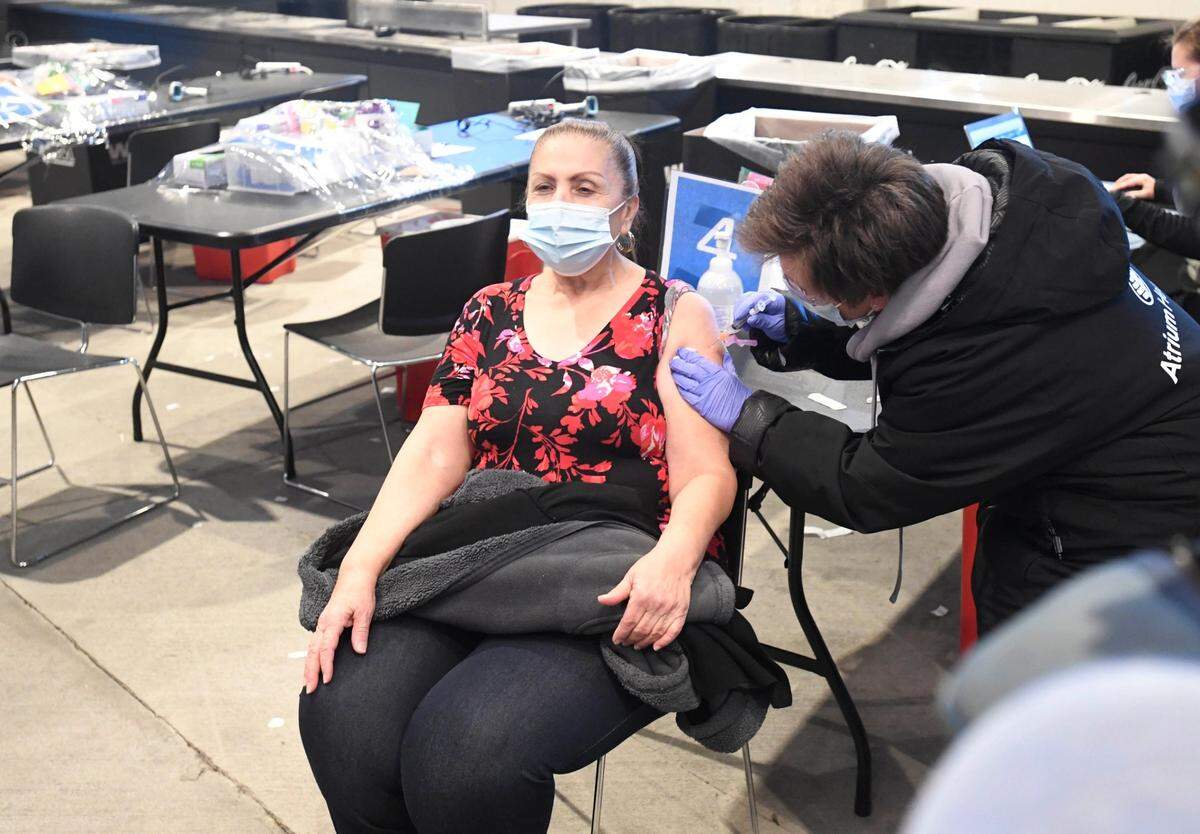
Most who had received at least one vaccine dose (171 people from the poll) agreed it was “very easy” or “somewhat easy” to get the vaccine.
In some communities of color, transportation can be a barrier to accessing the vaccine. Locally, hospital systems are forming partnerships in marginalized communities in response.
The News & Observer’s Adam Wagner contributed.
This story was originally published February 9, 2021 at 6:00 AM with the headline "Growing number of North Carolinians say they’ll take COVID vaccine, poll shows."