Risk of getting long COVID cut in half with 2nd dose of vaccine, study shows
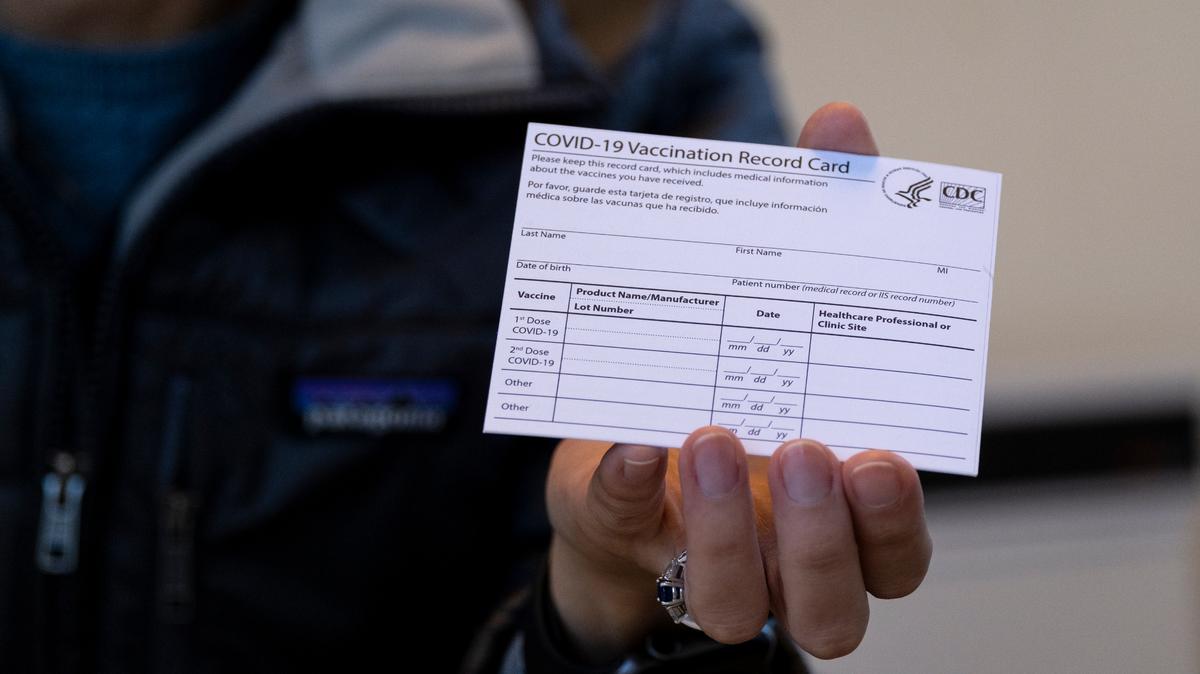
Research shows fully vaccinated people are less likely to get infected with the coronavirus or come down with serious illness compared to those who receive only one dose. Now, a new study found complete vaccination (two shots for vaccines that require them) cuts the risk of developing long COVID by nearly half.
Long COVID occurs when people experience coronavirus symptoms for months after their initial infection subsides.
Fully vaccinated adults included in the study were also 73% less likely to be hospitalized with the disease once infected and 31% less likely to develop symptoms compared to unvaccinated people, according to the research published Sept. 1 in the journal The Lancet Infectious Diseases.
Data used in the study was collected between December 2020 and July 2021, and came from the UK ZOE COVID Symptom Study — an app that allows people in the U.K. to self-report symptoms, coronavirus tests and vaccination status.
It included more than 1.2 million people who received one dose of either the Pfizer, Moderna or Oxford/AstraZeneca coronavirus vaccine (6,030 tested positive) and 971,504 people who received two doses of either shot (2,370 tested positive). More women than men self-reported their symptoms on the app, so the researchers warn the data may not be as generalizable to the public.
Reported COVID-19 symptoms were similar regardless of vaccination status, including cough, fever, loss of smell, headaches and fatigue — except sneezing, which vaccinated people reported more frequently.
Fully vaccinated people also experienced milder symptoms and were half as likely to develop several symptoms in the first week of illness compared to unvaccinated people. Those who got both doses were more likely to be free of symptoms, too, especially if they were aged 60 or older.
What’s more, the study found people living in “deprived areas,” defined as regions with high population densities and more ethnic diversity, were most at risk of getting infected with the coronavirus after just one vaccine dose, likely because these areas have lower vaccination rates and increased viral spread because of living conditions, the researchers said.
Data also showed older “frail” adults were up to two times more likely to get sick after vaccination.
“This finding might support caution around relaxing physical distancing and other personal protective measures in the post-vaccination era, particularly around frail older adults and individuals living in more deprived areas, even if these individuals are vaccinated,” the researchers said.
The team suggested a “timely booster program” to ensure the most vulnerable remain protected against COVID-19.
“Vaccines are really changing the disease and for the better,” Tim Spector, lead investigator of the ZOE COVID Symptom Study and a professor at King’s College London, said in a statement. “We are encouraging people to get their second jab as soon as they can.”
The Pfizer and Moderna coronavirus vaccines require two shots to gain the most protection against COVID-19. The first dose “primes the immune system, helping it recognize the virus, and the second shot strengthens the immune response,” the Centers for Disease Control and Prevention says.
Just like many other vaccines, protection from COVID-19 vaccines may wane over time, but scientists are still trying to learn how long it takes for that to happen.
As the coronavirus evolves, more dangerous versions may emerge, such as the delta variant, that may one day evade vaccines’ defenses. COVID-19 shots in the U.S. continue to reduce risks for hospitalization and death, but experts are preparing booster shot plans to get ahead of an uncertain future.
Officials with the Department of Health and Human Services announced last month that all Americans will be eligible for a third dose beginning the week of Sept. 20. Separate committees within the CDC and U.S. Food and Drug Administration will meet soon to vote on recommending booster shots.
This story was originally published September 8, 2021 at 11:35 AM with the headline "Risk of getting long COVID cut in half with 2nd dose of vaccine, study shows."