
Duke to start virtual classes, UNC leaves decision to deans amid omicron threat
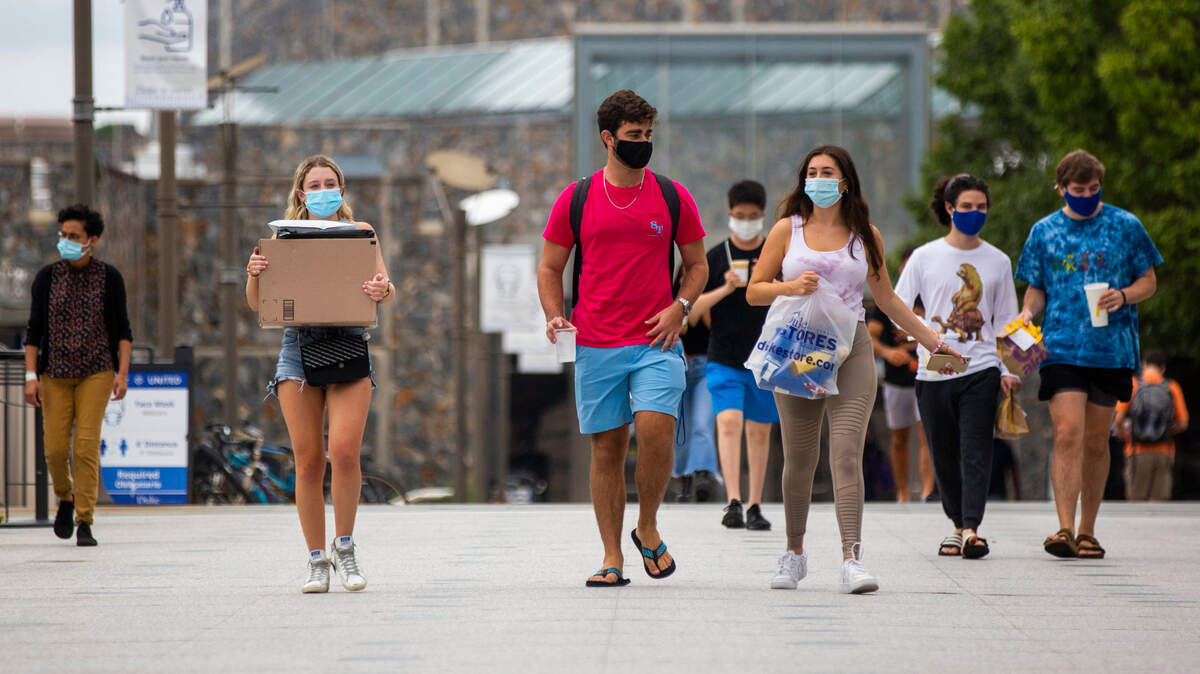
Duke University will extend virtual classes until Jan. 18 as the omicron variant continues its record-breaking spread across North Carolina.
“This is a disappointing reality that requires us to once again revise our plans for the beginning of Spring semester in order to protect the health of our campus and community,” Duke officials wrote in a Friday message.
UNC-Chapel Hill, meanwhile, is leaving the decision to modify the mode of classes to individual deans. Students will be notified by faculty of any changes and any changes to the mode of classes would only be for the first couple weeks of the semester.
“We recognize that some students may be delayed in their return to campus, and we are aware of circumstances that may prevent some faculty from delivering their previously planned in-person instruction in the initial weeks of the semester,” UNC officials wrote Friday.
The state Department of Health and Human Services reported the highest single-day jump in COVID-19 cases Thursday, adding more than 18,500 to a caseload that is straining hospitals. It followed with a second record on Friday, when it reported more than 19,000 new cases.
Duke will open campus housing Jan. 2 but asks students to delay until Jan. 18 if possible.
All students and employees must get a COVID-19 booster shot before returning to the Durham campus after the holiday break.
The UNC-Chapel Hill faculty executive committee planned to meet Friday afternoon to discuss plans but canceled shortly before the meeting was to begin.
UNC System schools have not mandated COVID-19 vaccines or booster shots, but they have consistently encouraged people to get vaccinated and offer appointments on campus.
UNC-CH is requiring all unvaccinated students to get tested before returning to campus, as well as students living in residence halls regardless of vaccination status. The university also recommends prior-to-arrival COVID-19 testing for all undergraduate and graduate students living in the Chapel Hill and Carrboro community.
Duke students must comply with re-entry and surveillance testing requirements.
COVID vaccines and testing at universities
N.C. State University students and employees who are not vaccinated against COVID-19 must also get tested as they come back to campus for the spring semester. All students living in campus dorms and apartments or in Greek Village must also get tested, regardless of vaccination or booster status.
At N.C. Central University in Durham, all residential students are required to be tested for re-entry onto campus, regardless of vaccination status, and regular surveillance testing is mandatory for unvaccinated students.
This story was originally published December 31, 2021 at 12:18 PM.