
Do masks protect you from COVID if others aren’t wearing one? What experts are saying
Some states are dropping COVID-19 face mask mandates or are debating doing so as COVID-19 cases in the U.S. are on the decline.
Still, the coronavirus continues to spread even as the weekly average of daily positive COVID-19 cases dropped by 42.8% as of Feb. 9 compared with the week before, according to the Centers for Disease Control and Prevention.
If you’re wondering whether a mask can protect you from COVID-19 in public if others around aren’t wearing one, here’s what experts say about the concept of one-way masking:
“Wearing a mask when others are not does provide some level of personal protection,” Dr. Leonard J. Marcus, the founding director of the Program for Health Care Negotiation and Conflict Resolution at the Harvard T.H. Chan School of Public Health, told McClatchy News in a statement.
However, “that protection is less than when everyone is wearing a mask,” Marcus said.
Wearing a face mask or respirator in indoor public settings was connected to a lower chance of catching COVID-19, according to a CDC study published Feb. 11. It found the chances of testing positive were lowest among those “who reported typically wearing an N95/KN95 respirator, followed by wearing a surgical mask” indoors.
Dr. Leana Wen, a public health professor at George Washington University, describes the lifting of some mask mandates as “a transition from a government-imposed mandate to an individual decision.”
“Just because masks are no longer required doesn’t mean that everyone should go maskless,” Wen told McClatchy News in a statement. “It also doesn’t mean that suddenly it’s safe.”
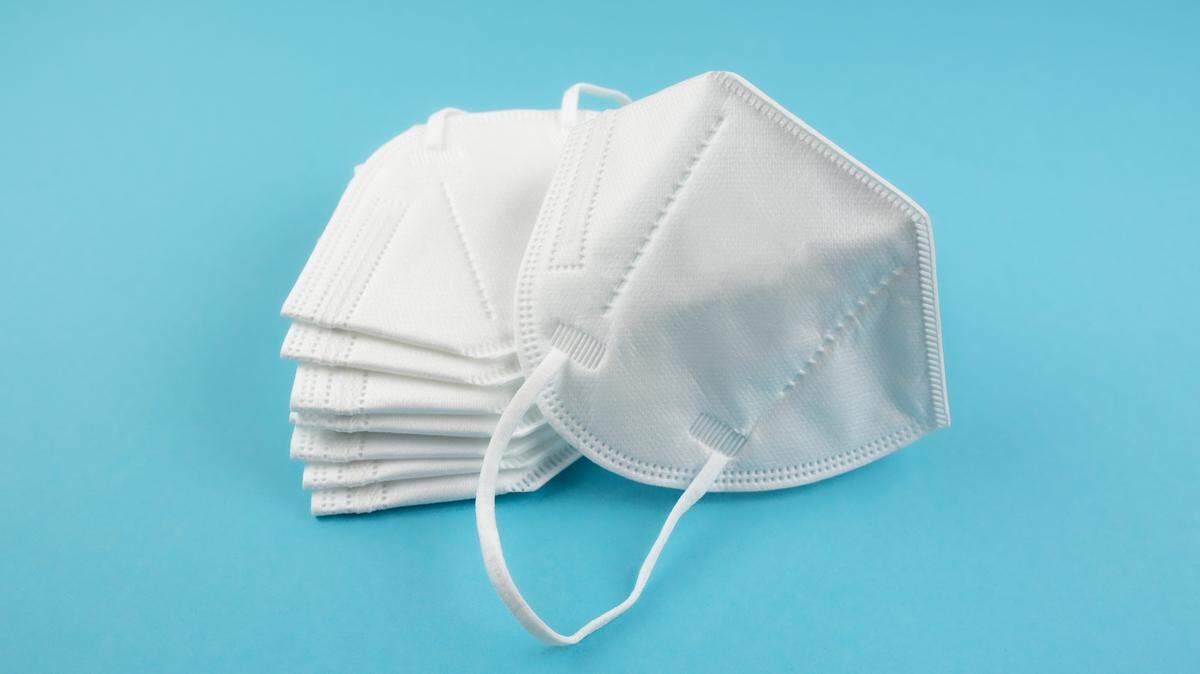
Wen advises those who are unvaccinated or have a higher risk of developing severe COVID-19 to continue masking up. One-way masking with “high quality” masks such as N95, KN95 and KF94 is “very effective,” Wen added.
“Even if others around you are not wearing a mask, (you) wearing one of these masks will protect you very well.”
When it comes to one-way masking with a cloth or surgical mask, it isn’t “increasing your protection very much” compared with N95 masks, which “provide good protection,” Dr. Amber D’Souza, professor of epidemiology at the Johns Hopkins Bloomberg School of Public Health, told McClatchy News over the phone.
“The data suggests there are certainly instances where people have been infected. So we know there is a risk if you’re not wearing an N95 mask.”
Ultimately, “the best protection is that you’re up to date with your vaccinations,” Dr. Georges C. Benjamin, the executive director of the American Public Health Association, told McClatchy News over the phone. Benjamin described “up to date” as in line with the CDC’s vaccine recommendations including booster shots.
He added that masking is “an additional level of protection” and that he wears one in “appropriate settings” when around others with unknown vaccination statuses.
When it comes to deciding on masking up in a public place where it’s no longer required, it “depends on your personal circumstances and preferences,” such as the status of your health, according to Marcus.
“People who are immunocompromised, at higher risk — such as those who are older — or who are in an area of higher disease transmission are advised to continue wearing a mask while COVID still spreads in the community.”
He advises the public to assess their own health and “their tolerance for risk,” and to monitor the local spread of COVID-19 when going out in public places when it comes to masking.
The future of COVID-19 and masking
“I do believe we’re going to become a mask-wearing society,” Benjamin told McClatchy News, adding that “seeing someone wearing a mask in other parts of the world is normalized behavior,” such as in some areas of Asia.
Benjamin continued that it doesn’t mean people will be wearing masks all of the time, such as outdoors, but that “it makes perfect sense” to do so inside when around others you don’t know in public.
D’Souza told McClatchy News that “in many settings in the coming weeks, risk will be low enough that people can consider being inside without a mask.”
“If the COVID-19 case rates continue to drop, the risk of transmission will be low enough in many places that it will be something people can realistically consider later this spring.”
The professor said she views the next month or so as a “transition” phase.
“I still wear a mask whenever I go inside, even though the mandates have been dropped because rates are, while they’re decreasing, are still not low.”
She added that’s why the CDC hasn’t changed their guidance on mask-wearing yet.
However, she acknowledged how COVID-19 consistently changes and advice public health experts provide “in one week can really differ in a few weeks when rates are different.”
Additionally, she said experts expect the virus to keep mutating with the potential of additional strains appearing, but “that always happens with infectious disease.”
Still, there are many reasons to be optimistic, according to D’Souza.
For those who are “more cautious,” the professor said “seeing some of these mask mandates be removed can be alarming to people and so they can always continue to wear an N95 mask to protect themselves when entering public settings where other people may not be masking.”
D’Souza said she believes “in schools and in other settings we really can be thinking in the coming weeks and months about removing some of those restrictions” depending on local COVID-19 case rates.
“But there is a lot of hope that we can do that safely in the coming weeks.”
This story was originally published February 14, 2022 at 6:33 PM with the headline "Do masks protect you from COVID if others aren’t wearing one? What experts are saying."
.jpg)