Canada to buy COVID vaccine made in Research Triangle Park. Here’s how it’s different.
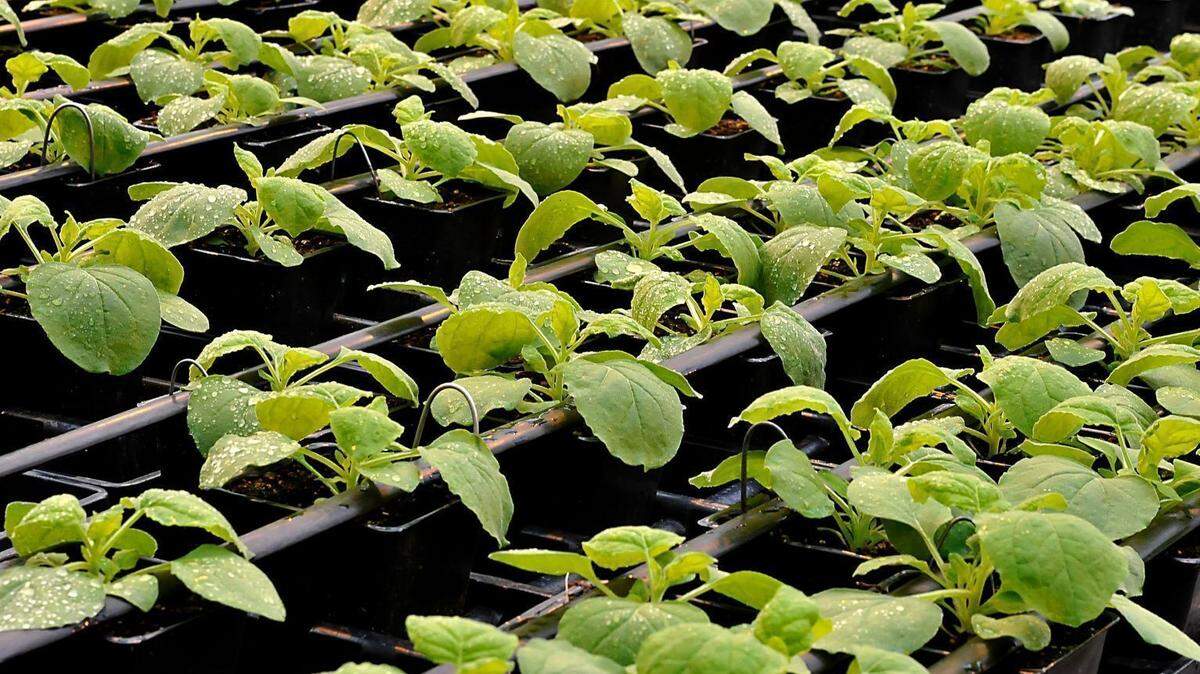
A new plant-based COVID-19 vaccine that will be made in Research Triangle Park has been approved by health regulators in Canada, where the government has agreed to buy millions of doses.
The vaccine, COVIFENZ, was developed by GlaxoSmithKline and Medicago, a Canadian biopharmaceutical company based in Quebec City. Medicago will begin manufacturing the vaccine at its plant in RTP later this spring, said Brian Ward, the company’s medical officer.
Ward said the company has a contract to supply up to 76 million doses of the vaccine to the Canadian government and expects to ship 20 million doses this year.
Medicago uses plants to produce what it calls “virus-like particles” that mimic the structure of viruses and trigger an immune response in the body. The company says because the particles lack core genetic material they are non-infectious and unable to reproduce.
Health Canada, the Canadian version of the Food and Drug Administration, approved COVIFENZ on Thursday for use in adults ages 18 to 64. It cited clinical trials that showed the vaccine was safe and 71% effective against all variants of the COVID-19 virus except for omicron, which wasn’t circulating during the study period.
Clinical studies measuring the response against the omicron variant should be finished in the coming weeks, according to Ward. Nearly all new cases of COVID-19 in the United States are caused by the omicron variant, according to the Centers for Disease Control and Prevention.
Medicago and GSK are also seeking approval for COVIFENZ from the FDA, the World Health Organization and health regulators in the United Kingdom.
Like the Pfizer-BioNTech and Moderna vaccines, two doses of COVIFENZ are needed to be fully effective. Pfizer and Moderna both reported that two doses of their vaccines were more than 90% effective against COVID-19, though that effectiveness waned over time, prompting both companies and public health officials to urge booster shots.
COVIFENZ arrives more than a year after the Pfizer and Moderna vaccines became available and at a time when many people are acting as if the coronavirus pandemic is over.
But the virus has not shown signs of going away, and Medicago says there’s still a strong market for vaccines, especially one that might appeal to different people because of how it’s made.
“COVIFENZ is the first COVID-19 plant-based vaccine, which diversifies the pool of vaccines available to help improve public health and protect more people,” Ward wrote in an email. “We are in discussion with several countries regarding supply,” though he declined to name them because the discussions are “confidential in nature.”
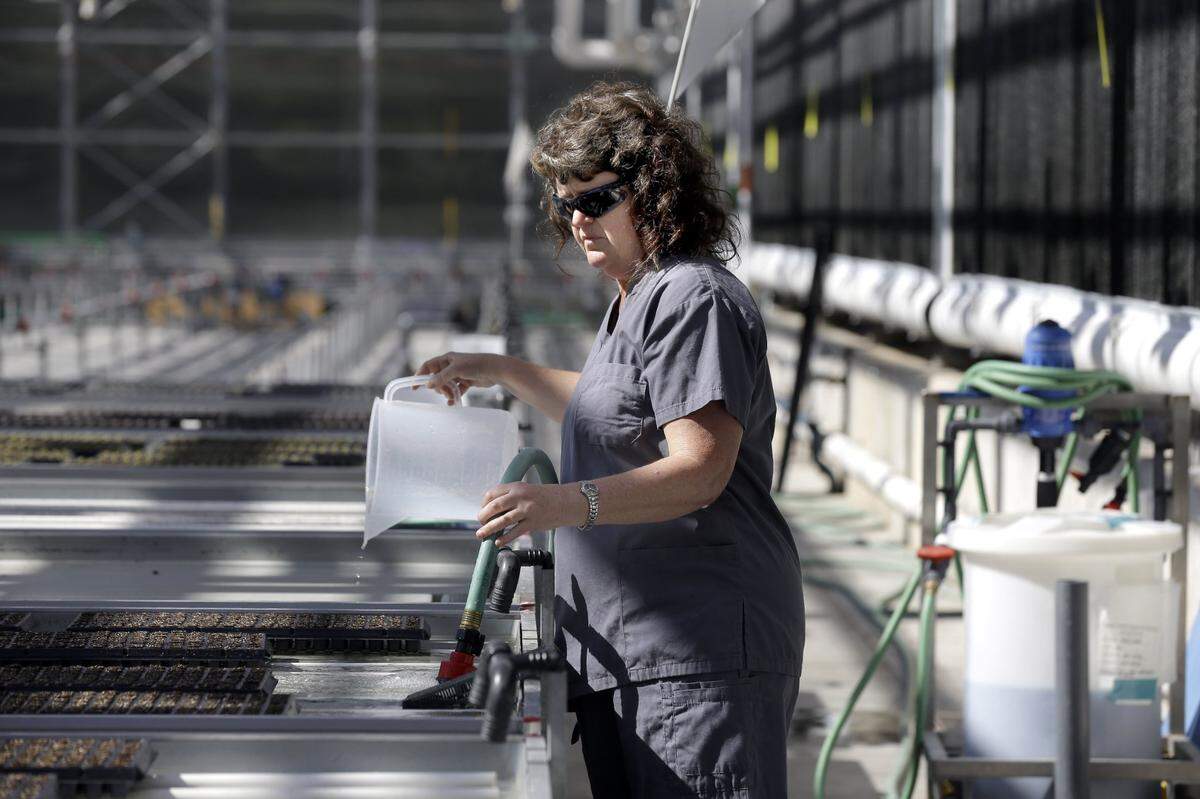
Medicago opened its RTP plant and greenhouses in 2010 using a grant from the U.S. Defense Advanced Research Projects Agency, or DARPA. At the time, the agency was looking for ways to make large quantities of vaccine to respond to epidemics, bioterrorist attacks and other public health emergencies.
The company employed about 200 in RTP as of December and is looking to fill about 40 positions as it gears up to produce COVIFENZ.
This story was originally published February 26, 2022 at 7:00 AM.