NC starts using 7 new metrics to chart COVID’s severity and spread. What we know
For the past two years, people have relied on daily case numbers and positive test rates, among other data, to assess how COVID-19 has spread in a community.
Now, North Carolina is making new categories of data available on its COVID-19 dashboard to present a more accurate picture of the virus.
Starting March 23, the dashboard will include wastewater sampling data; the percentage of people going to emergency departments with COVID-like illness; hospital admissions for COVID-19; reported COVID-19 cases; booster rates; COVID-19 variants currently present in North Carolina; and the level of community spread as determined by the Centers for Disease Control and Prevention.
After reporting COVID-19 data on a mostly daily basis for the past two years, the health department will now add new figures once a week.
Gov. Roy Cooper said Thursday that the state is shifting how it responds to the pandemic with an emphasis on personal responsibility and continuing partnerships to ensure equity in access and treatment.
“Over the last two years we’ve written a history of hardship and resilience, setbacks and successes,” Cooper said during a press conference. “But now, we enter the next phase — one of individual responsibility, preparedness and prosperity. It’s time to chart the new course.”
Here’s what each metric means, according to the N.C. Department of Health and Human Services. The dashboard can be found at https://covid19.ncdhhs.gov/dashboard.
Wastewater sampling
Wastewater testing can detect and quantify the SARS Co-V-2 virus in community wastewater systems, NCDHHS said in a press release. Water sample results can be an early indicator of increases to come in other COVID metrics.
“Wastewater has pieces of the COVID-19 virus four to six days before the first cases are reported in the community,” Kody Kinsley, Secretary of the N.C. Department of Health and Human Services, said Thursday. “North Carolina was one of the first eight states to partner with the CDC on sampling community wastewater to give us an early warning.”
COVID-like illness in hospital emergency departments
The percentage of weekly emergency room visits due to COVID-like illness represents an early indicator of rising cases. It may also suggest when hospital capacity is soon to come under strain.
“When this metric is trending upward,” Kinsley said, “we’re expecting more severe illness in communities.”
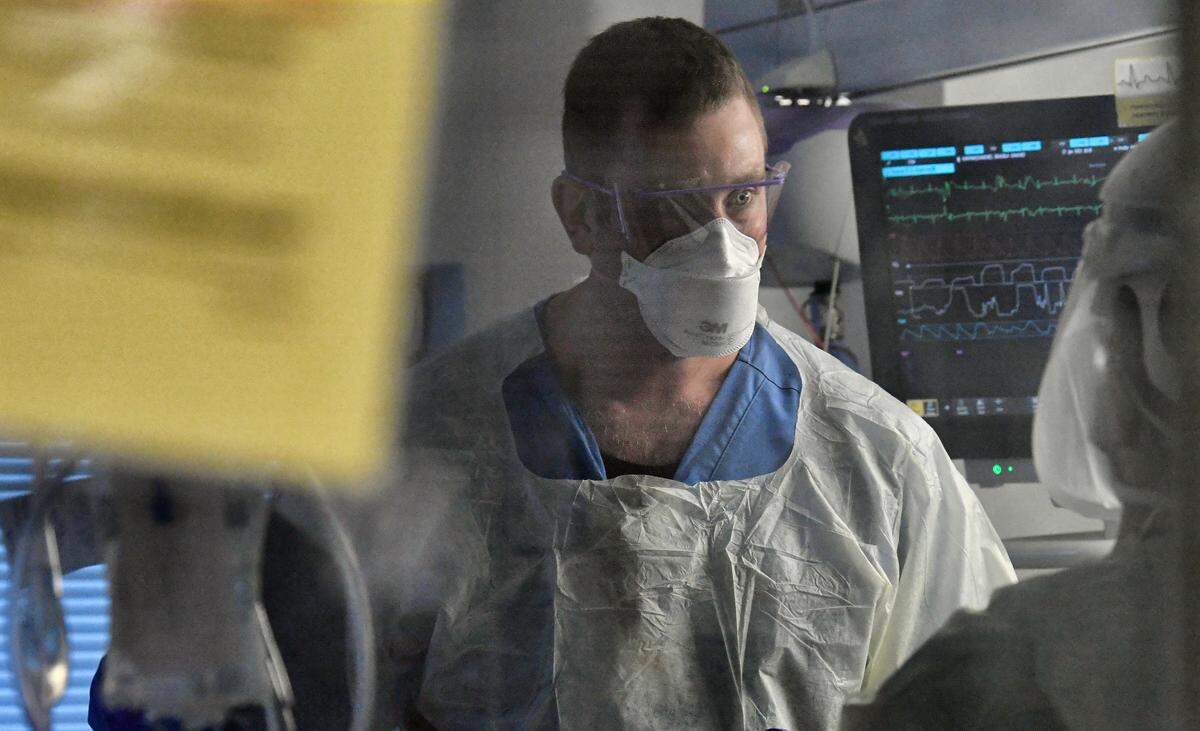
COVID-19 hospital admissions
Perhaps the most straightforward metric, COVID-19 hospital admissions indicate increased spread of the disease.
“When it is high, it indicates hospitals will be challenged to provide care for COVID-19 and non-COVID-19 patients,” Kinsley said.
When COVID cases overwhelm hospital staff, attention to other emergencies and elective procedures can fall behind.
As of Wednesday, a total of 769 people were hospitalized with COVID-19 across the state. Hospitalizations have fallen substantially since February, when there were more than 3,000 in the hospital for COVID-19.
Reported COVID-19 cases
With increased access to home test kits, which aren’t reported to the government, the number of reported COVID cases can insufficiently reflect the virus’s prevalence. But reported cases indicate where COVID may have its heaviest impact. It gives an idea of community transmission.
“Cases remain important, even though every case is not reported,” Kinsley said. “Case trends give us insight into particular communities and populations being affected by the virus.”
Booster rates
About 75% of North Carolinians have received at least one dose of a COVID-19 vaccine. But booster rates will be an important indication of the population’s ongoing immunity.
“Being up to date with your vaccine is the most powerful way to reduce your risk of COVID-19,” Kinsley said.
Booster data will be available at state and county levels. “Booster rates help us measure protection in our communities,” Kinsley said.
Presence of COVID-19 variants
COVID-19 is an evolving disease. Novel strains such as delta and omicron have forced the state to adjust its pandemic protocol over time. The BA.2 subvariant of omicron was confirmed in North Carolina last month.
New variants, if they arrive, may further force the state and individuals to modify their responses, officials said.
“Understanding which variants are circulating in North Carolina informs our response and recommendations on how best to layer up protection,” Kinsley said. “Variants that cause more severe illness or are more transmissible is important information to have.”
CDC’s COVID-19 community levels
The community COVID level, as compiled by the CDC, “combines a number of these metrics above to give a low, medium or high level of risks specific to your county,” Kinsley said.
As of March 10, the most recent CDC update, Wake, Durham and Orange counties all have low levels of COVID-19.
Avi Bajpai contributed to this report.
This story was originally published March 17, 2022 at 5:16 PM.