CDC reports higher COVID-19 risk in several NC counties, including in the Triangle
As COVID-19 cases and hospitalizations continue to rise in North Carolina, high-risk residents in the Triangle may want to mask up, according to guidance from the Centers for Disease Control and Prevention.
Nine counties in the state have transitioned from the CDC’s “low” risk category to “medium” in the last week, as the the most recent coronavirus surge, fueled by the omicron subvariant BA.2, spreads south.
The affected counties are concentrated in the Triangle and include Wake, Durham, Orange, Chatham, Harnett, Lee and Alleghany. The remaining 91 counties in North Carolina are still categorized in the lowest level of risk.
State epidemiologist Dr. Zack Moore said the changing risk categories trigger a new set of recommendations for people at risk of COVID-19 complications. Most North Carolinians fall in that category due to their age or other health conditions, he said.
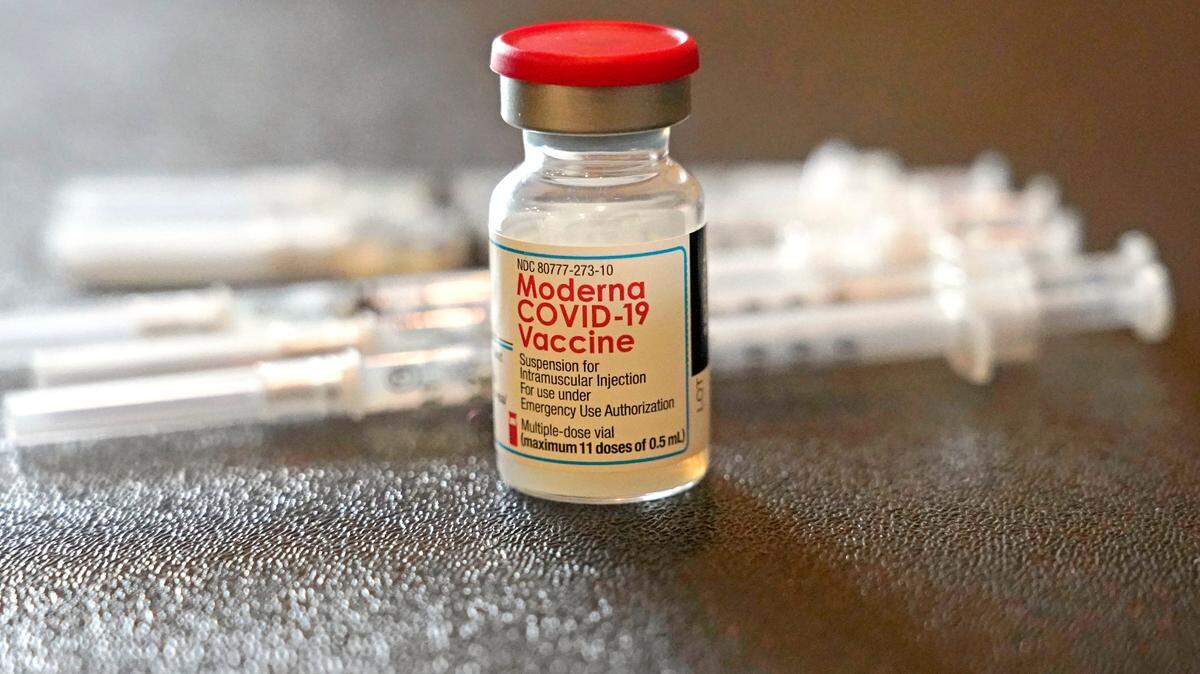
In the Triangle, the CDC now advises high-risk residents to consider wearing masks indoors and check that they’re up to date with vaccines.
Masks, testing, vaccines
Everyone 5 and older is eligible for both the initial series of COVID-19 shots and a booster shot. Those who are 50 and older, or who are 12 and older and are immunocompromised, also qualify for an additional booster shot.
Moore, who considers himself part of this high-risk group because of his age, said he recently started wearing masks in public, indoor places.
Friends and family members of high-risk people may also consider taking a COVID-19 test before visiting.
COVID-19 cases are currently centered around the Triangle, but Moore said they won’t be contained for long.
“What happens in the Triangle does not stay in the Triangle,” he said. “It’s a pretty good heads up to everybody that activity is increasing, and that’s likely going to be a trend across the state.”
The CDC’s community levels are based on a number of statistics such as the number of hospital beds being used, hospital admissions and the number of new COVID-19 cases.
Moore said all of the metrics the state monitors point to the same general trend: the prevalence of COVID-19 is gradually increasing in North Carolina.
“We are seeing increases but we’re not seeing the kinds of sharp, steep rises that we saw in January with the first onset of the omicron wave,” he said.
NC cases, hospitalizations rise
More than 27,000 new cases of COVID-19 were reported to the N.C. Department of Health and Human Services in the week ending May 21, 17% more than the week before.
Even those numbers are likely an underestimate due to the rise in popularity of at-home rapid tests, the results of which are not always reported to the state.
Hospitalizations are also steadily rising In North Carolina. The average number of coronavirus admissions were up by about 100 in the week ending May 21 compared to the week before.
Moore said the increase hasn’t put a strain on the health care system yet, but that the rise in hospitalizations is cause for some concern.
“We’re always looking down the road and, of course, no one has a crystal ball,” he said. “We’ve seen over and over again new variants coming and leading to surges.”
This story was originally published May 26, 2022 at 2:03 PM.