NC sees uptick in new omicron subvariants, raising questions about vaccine efficacy
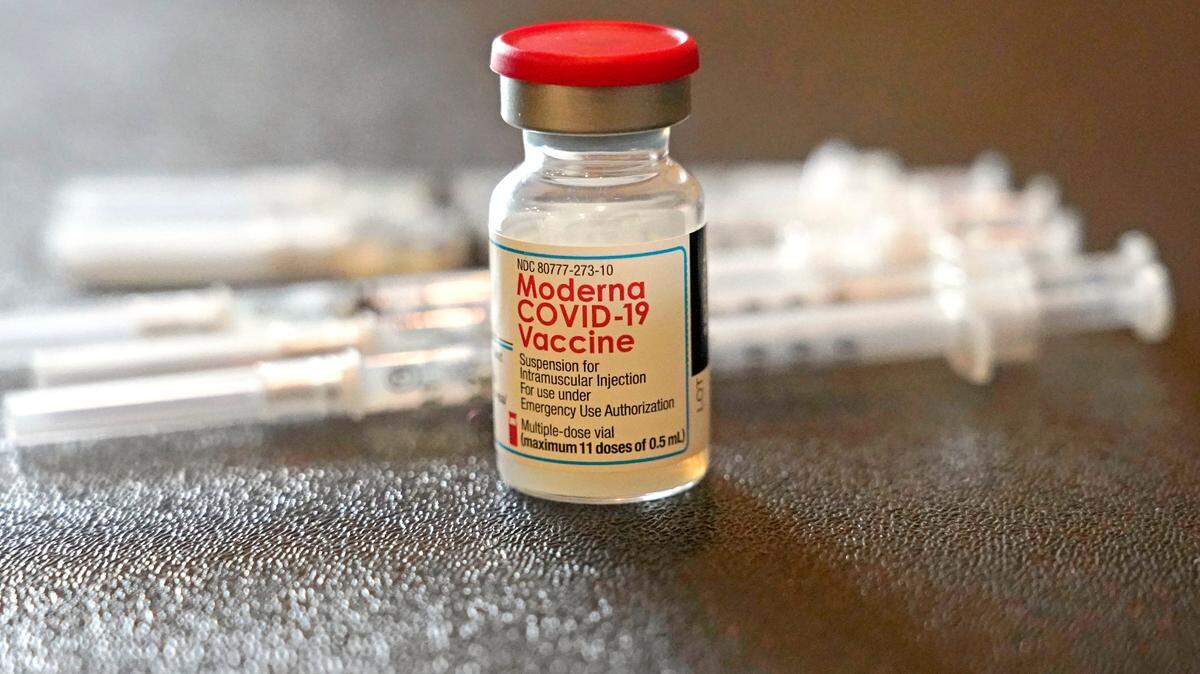
Two new omicron subvariants, BA.4 and BA.5, are gaining traction in North Carolina and across the country, again complicating the effort to create highly effective vaccines.
Together, the subvariants make up 5% of statewide COVID-19 cases, according to the most recent data from the state Department of Health and Human Services, and up to 13% of cases nationwide, the Centers for Disease Control and Prevention reported this week.
Dr. David Montefiori, a coronavirus vaccine researcher at the Duke University School of Medicine, said the omicron variant has become particularly problematic for the COVID-19 vaccine effort, due to its constantly mutating spike protein.
Spike proteins — which sit on the surface of the virus and latch onto human cells — are what vaccines use to identify and neutralize the coronavirus. The more a spike protein mutates, the more difficult it is for immune cells to bind to the virus and stop it from infecting cells. The BA.4 and BA.5 are just the most recent offshoots of a long lineage of variants with mutated spike proteins.
The dominant variants before omicron typically had between one and three mutations in this area.
“And then you get to omicron and it’s like, ‘Oh my God, there are at least 15 mutations…,’” Montefiori said. “When people saw that right about Thanksgiving last year we all just freaked out.”
In Montefiori’s lab, researchers are constantly testing the vaccine’s effectiveness against emerging variants. They take the serum from a vaccinated person’s blood, add in a particular coronavirus variant, and wait for the blood’s antibodies to bind to the virus. Then, they add that mixture to human cells to see if the virus is still able to infect them.
Using this method, Montefiori said, his research suggests that antibodies are a third as effective against BA.4 and BA.5 as the original omicron variant.
“The virus seems to be evolving to evade our vaccines,” he said.
He said these subvariants could quickly become the dominant strain in the United States due to their ability to evade the immune system and spread easily.
BA.4, BA.5 and boosters
Booster shots are one of the best tools for fighting changing spike proteins, Montefiori said.
“When the spike protein changes a little bit, that makes these antibodies not bind as well,” he said. “The antibodies will eventually catch up and be able to bind better — it just takes more exposure.”
Montefiori’s lab found that an updated vaccine that exposes the immune system to the omicron spike protein in addition to the original spike protein is significantly better than existing vaccines at creating an effective immune response toward the current dominant strains.
Moderna announced the lab’s findings Wednesday and hopes to use this updated vaccine as a fall booster shot.
Even that timeline is a gamble— the BA.4 and BA.5 variants have already made the updated vaccine less effective, Montefoiori’s early data suggests.
But he said that is the challenge of creating a vaccine for a virus that is constantly evolving its way through the body’s defenses.
“That’s just what viruses do,” he said.
This story was originally published June 10, 2022 at 11:14 AM.