
More people are calling NC’s poison center about snake bites. Blame the warm weather
There are a lot of snakes out there.
The number of calls last month to the Carolinas Poison Center in Charlotte about snake bites nearly quadrupled compared to last year, the center said. In April 2016, the center received 19 calls about snake bites, compared to 71 calls in April this year.
More than 500 calls about snake bites are expected to come in this year.
“We have been shaking our heads over the numbers,” said Dr. Michael Beuhler, medical director at the Carolinas Poison Center. “It’s the time of year that you’ve really got to be careful.”
Why the uptick? Here are some answers:
Why is this happening?
A mild winter and a warm spring have brought snakes out and about. That means more human-snake interactions.
“We think it’s related to the weather,” Beuhler said. “Last year we didn’t have this rapid warming like we’ve seen this year. There was no cooler depression like we had in 2016.”
Snakes are very temperature-dependent, said Phil Bradley, head of terrestrial exhibits at the N.C. Museum of Natural Sciences in Raleigh.
“They don’t come out on a calendar year so much as just based on how warm it is outside,” Bradley said. “We’re about a month and a half ahead of schedule from what we normally see.”
In the Raleigh-Durham area, the average temperature last month was 67 degrees. In April 2016, the average temperature was 61 degrees.
Should you be scared of snakes?
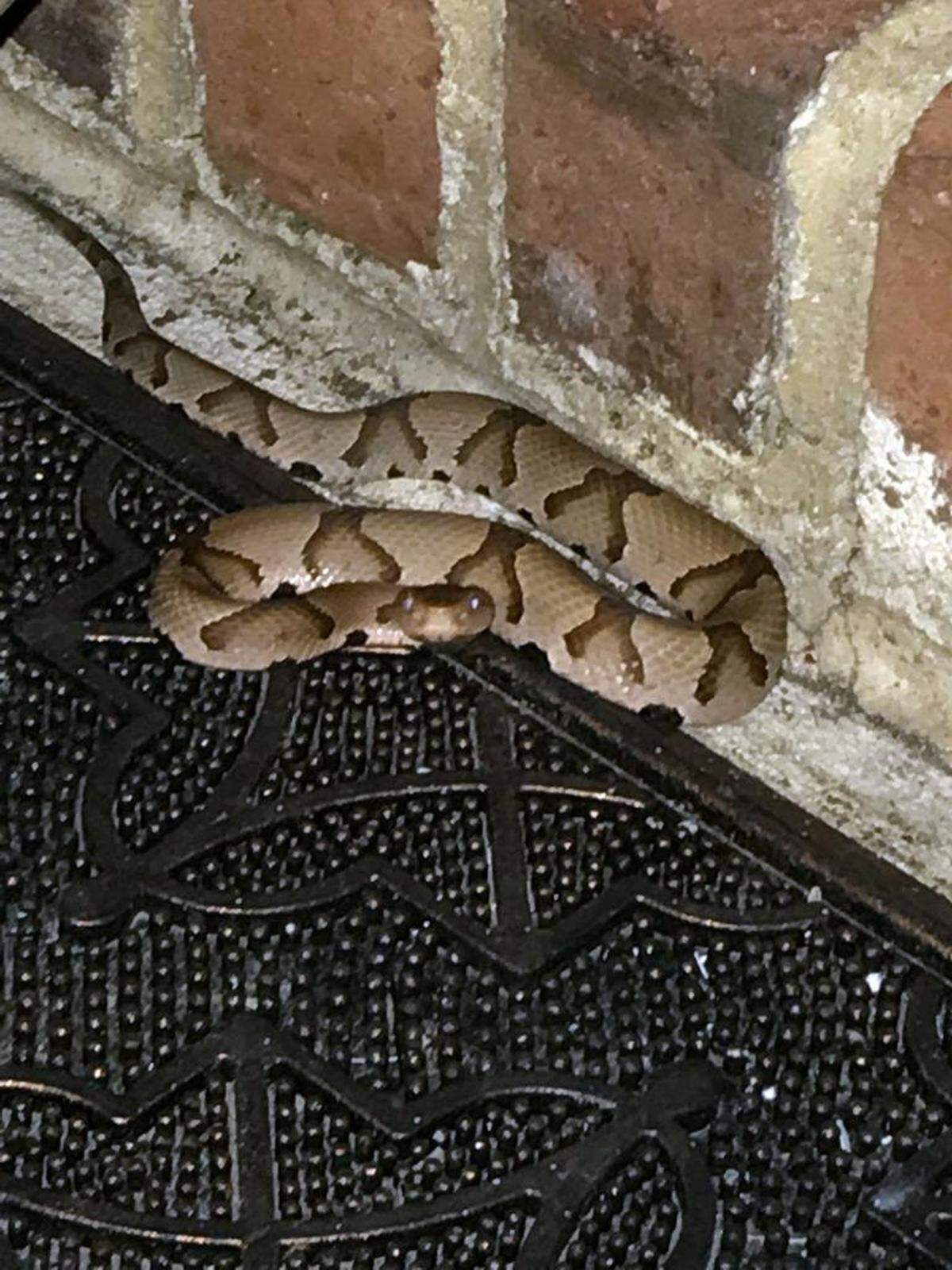
Most of North Carolina’s 37 snake species are harmless, but five species cause the majority of poisonings: copperheads, cottonmouths, eastern diamondback rattlesnakes, pigmy rattlesnakes and timber rattlesnakes.
Carolinas Poison Center receives 10 times the number of calls about copperheads, the most plentiful snake in North Carolina, than calls about all the other snake species combined.
In Wake County, people are most likely to see black rat snakes and black racers, but they may encounter a copperhead or other venomous species, Bradley said. He encourages people to familiarize themselves with different types of snakes so they can identify them – and assess the degree of danger.
How can you avoid being bitten by a snake?
Avoiding the outdoors completely probably isn’t an option. Ways to reduce the chance of being bitten include:
▪ Check shoes stashed in the garage or outside before putting them on.
▪ Wear sturdy, closed shoes and long pants when working or spending time outside in the woods or swamps.
▪ Watch your step and use a flashlight if it’s dark.
▪ If you see a snake, do not try to kill it. You might get bitten in the process, and there’s no need to kill a harmless snake.
What should you do if you get bitten?
Call the Carolinas Poison Center at 1-800-222-1222. The center can help people determine if they need to rush to the hospital. Some snake bites can be treated at home, which can save victims money.
Here’s what you shouldn’t do:
▪ Don’t cut the area around the snake bite and suck the venom out. It can cause infection.
▪ Don’t apply ice to the area. It can cause additional tissue damage.
▪ Don’t apply a tourniquet or tight bandage. It’s better for the venom to flow through the body.
What are the symptoms of a snake bite?
Symptoms include pain, swelling and redness.
What are the treatment options?
Treatment depends on the type of snake involved, the amount of venom injected and the health of the person bitten.
After sustaining a snake bite, people should wash the area with soap and water but not apply any kind of dressing, Beuhler said. Next, they should elevate the extremity where the snake bite occurred without bending the limb.
If a caller is in extreme pain or has trouble breathing, or if the swelling isn’t going down, the center recommends a trip to the emergency department. The center will call to let the medical professionals know a snake-bite victim is on the way.
In a very small number of cases, antivenom, a medication used to treat poisonous snake bites, is necessary.
Most of the calls about snake bites received by the poison center are from medical professionals looking for treatment recommendations for patients.
What if your dog gets bitten by a snake?
Call the Pet Poison Helpline at 855-764-7661. The helpline charges $59 per incident.
You can also call the American Society for the Prevention of Cruelty to Animals’ poison control center at 888-426-4435. The center operates 24 hours a day, 365 days a year. A $65 consultation fee may apply, according to the center’s website.
Should you care about this if you don’t wander through the woods?
Most people with snake bites were bitten while doing everyday tasks, such as walking their dog, Bradley said.
Madison Iszler: 919-836-4952; miszler@newsobserver.com
This story was originally published May 2, 2017 at 5:32 PM with the headline "More people are calling NC’s poison center about snake bites. Blame the warm weather."