
Some good news: Our skies are cleaner
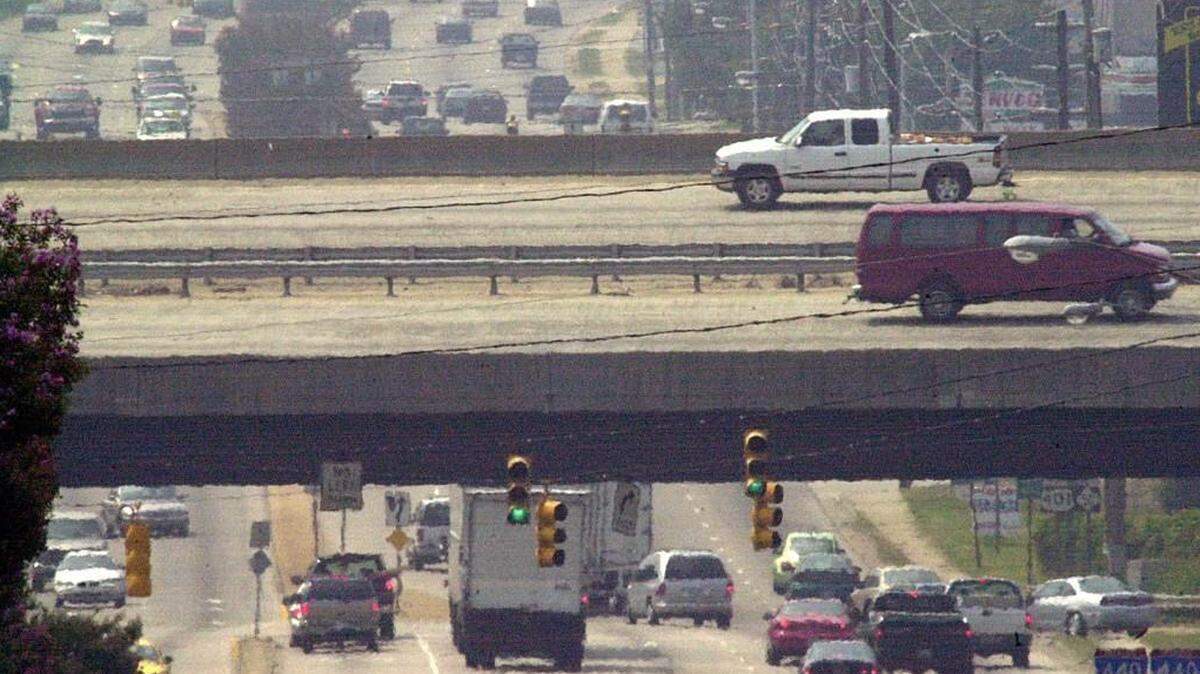
The skies over North Carolina continue to get cleaner in the summer.
Ozone, the main ingredient of smog, exceeded federal standards somewhere in the state four days this summer, the fewest since the state began monitoring the air in the early 1970s, according to the state Division of Air Quality.
None of those high ozone readings was recorded in the Triangle, meaning there were no Code Orange days for ozone this summer in the region. On Code Orange days, ozone levels are considered unhealthy for children and people who are active outdoors or have heart or lung diseases.
Statewide, using the current federal ozone standards, the number of Code Orange days has dropped from an average of 74 a year between 2000 and 2009, to a total of 38 over the last five years.
Ground-level ozone forms when sunlight reacts with air pollution – particularly hydrocarbons and nitrogen oxides – from cars, trucks, power plants and factories. Ozone levels rise on sunny, windless days when the sun cooks the stagnant air, so ozone is worse during hot, dry summers.
But ozone levels have been decreasing for years, thanks to cleaner burning fuels and stricter emissions standards for new cars and trucks, factories and power plants. The state’s Clean Smokestacks Act of 2002 required coal-fired power plants in North Carolina to cut emissions by about 75 percent.
Two years ago, the U.S. Environmental Protection Agency set a new standard for ground-level ozone of 70 parts per billion over an eight-hour period, compared to the previous limit of 75 parts per billion set in 2008. This summer, ozone readings exceeded the new standard seven times at monitoring stations around the state on four days: May 16 in Mecklenburg and Guilford counties; July 20 and 21 in Mecklenburg County and Sept. 28 in Union County. None of the readings exceeded the old standard of 75 parts per million.
In contrast, about a third of the state’s 100 counties were considered out of compliance with even more lax federal ozone standards in the early 2000s, when Code Orange and the more severe Code Red days were common during the summer. The Triangle has had only four Code Orange days the past five summers and has not had a Code Red day since 2012.
“This year’s ozone data provides clear evidence that a robust economy and healthy environment can thrive at the same time,” Mike Abraczinskas, director of the Division of Air Quality, said in a statement.
Richard Stradling: 919-829-4739, @RStradling
This story was originally published November 3, 2017 at 7:23 AM with the headline "Some good news: Our skies are cleaner."