
Growing 'finicky' strawberries is tough. Some organic farmers say they're not worth it.
As conventional strawberry farmers around the Triangle worked into the early-morning hours Sunday to protect their crop from a late frost, organic farmer Fred Miller was in bed, sleeping away the cold night.
In the past, a frost would have forced Miller and his teenage son to stay up late carefully tucking their plants away from the cold air under tarps at Hilltop Farms in Willow Spring. But this year, for one of the first times in decades, Miller had no berries to protect.
“I’m kind of taking a break from strawberries,” he said. “I haven’t completely decided I’ll never do them again, but it just wasn’t the right fit for me.”
Miller wasn’t the only farmer sleeping through the chilly weather over the weekend, when low temperatures dipped into the 30s. Conventional farmers might be growing strawberries as usual, but some local organic farmers aren’t growing them at all this year.
They say years of poor harvests due to pests, disease and bad weather have made strawberries too big a risk.
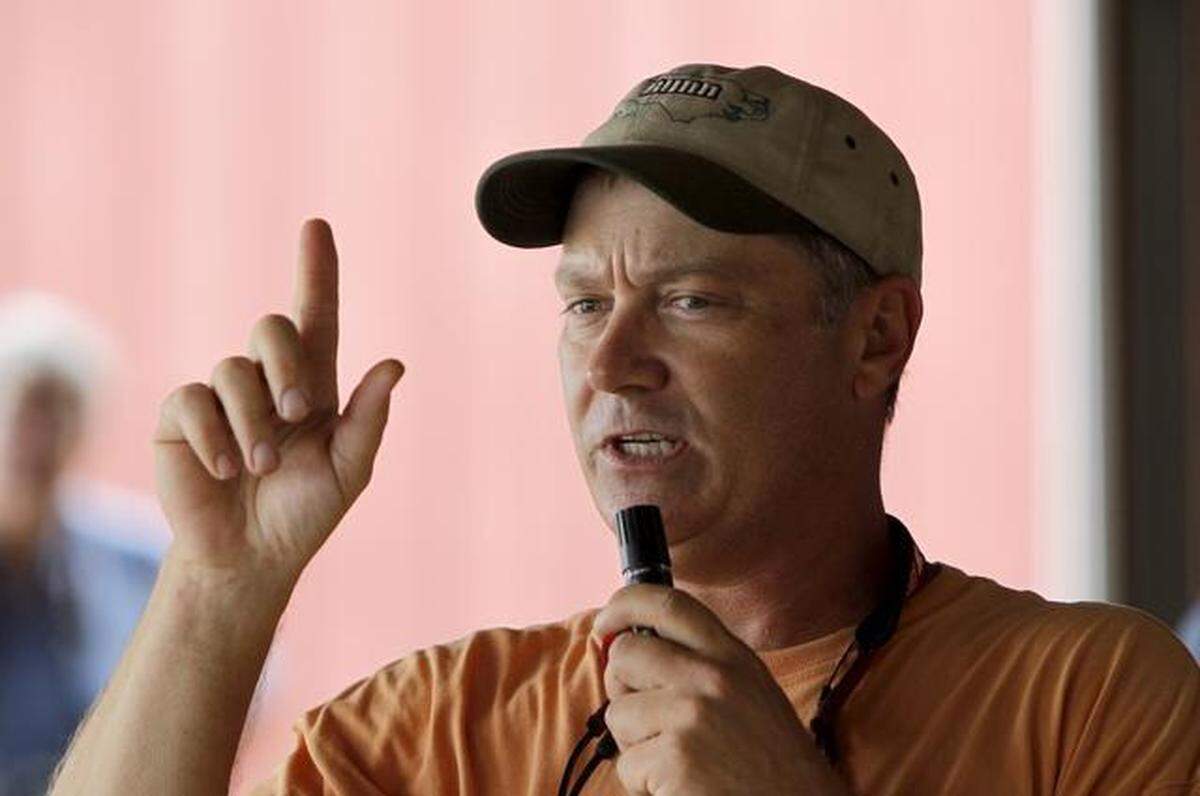
“It’s one of those things where I had to stop leading with my heart and I had to pay more attention to the realities,” said Russ Vollmer of Vollmer Farm in Bunn, one of the largest and longest-operating organic farms in the region. This is the first season in nearly three decades his family isn't growing strawberries.
Keeping up the practice "would have been like me taking everything else that this farm owns to Las Vegas and rolling it all on one roll," Vollmer said. "Nobody in their right mind would do that.”
All berry farmers risk losing a percentage of their crop to late frosts, hail, pests and other variables, but organic farms are particularly at risk. Unlike their conventional counterparts, organic farms face challenges that lead to extra work and narrow profit margins.
Organic farmers don't use fungicides or herbicides, and they don't fumigate their land, making diseases and weeds prevalent. They rely heavily on crop rotation to maintain healthy soil, but moving their strawberry fields every year makes it difficult and expensive to build sturdy fences to keep deer away from the plants in winter.
A few hours of bad weather can be particularly devastating. Hail hit Vollmer Farm in Franklin County three years in a row from 2015 to 2017. The hail didn’t destroy the crop but left wounds on the plants and invited disease to take hold. Vollmer said he might have been able to save his berries with conventional farming methods, but not with organic products alone.
“I don’t mind competing with and working with nature and trying to figure things out as you go,” Vollmer said. “That’s just farming. But I don’t like playing a game I can’t win, and I just feel like that’s where we are right now.”
Without chemicals to help level the playing field, organic growers need about a third more land to yield the same amount of useable strawberries as a conventional farm.
The higher cost of growing fruits and vegetables organically can usually be offset by higher consumer prices, but the long fall-to-spring growing season and increased work required make strawberries an expensive gamble for organic growers.
“It’s an eight-month battle before you get a penny back, and you have to think, 'Do I really want to do this?'” Miller said. “With strawberries it’s hard to even break even for the amount of work you have to put into them.”
Tom Kumpf at Double T Farm in Garner gave up planting strawberries in 2013. Between a bad batch of infected plants one year and bad weather in another, he said his small farm couldn’t afford to plant more.
“It would be nice (to grow strawberries again), but you start putting it all together for the plants and the organic fertilizers and the fencing and you’re looking at $2,000 to $3,000 bucks in the fall and we’re not big enough to justify that,” Kumpf said.
The few organic farms still growing strawberries this year are small, like Sweetwater Springs Organic Farm in Roxoboro. Owner Eli Humiston hopes to produce around 6,000 pints of organic strawberries this spring. He said the low supply might drive up demand and help his farm expand.
“I think it’s going to work out great,” Humiston said. “For me, the demand is there.”
A few other organic farmers are also growing strawberries this year but will only sell them to members of their community-supported agriculture programs, a subscription service.
Patricia Parker, co-owner of an uncertified organic farm called In Good Heart in Pittsboro, said they only grow strawberries because their CSA subscribers specifically ask for them.
“There’s definitely the demand, but strawberries are so finicky, especially organic,” Parker said. “We don’t do anything else. We don’t have any other income. In order to farm sustainably, we have to make our family sustainable, too.”
The farmers giving up strawberries plan to make up the deficit with CSA memberships, higher yields in other crops and agri-tourism.
Some have gone even further to make their farms successful. Vollmer Farm, which stands to lose the most money by dropping its signature strawberry crop, will host a Blueberry Music Festival on June 23 and open an organic restaurant on the farm early next year.
Vollmer hopes to grow strawberries again someday, but the third-generation farmer said he’s not surprised organic strawberries are disappearing in the region.
“There’re some very brilliant and innovative risk-taking farmers in North Carolina, so why are there no organic strawberry farms?” he said. “The reason is, it is difficult. It is one of the most difficult tasks that I have ever tried to do.”
This story was originally published April 10, 2018 at 4:00 PM with the headline "Growing 'finicky' strawberries is tough. Some organic farmers say they're not worth it.."